
10 Things to Know About Infertility

Thanks to the Honesty and Bravery of Women Around the Globe, Infertility Is Talked About More Openly Than Ever Before. Many of Us Know Someone Personally Who...
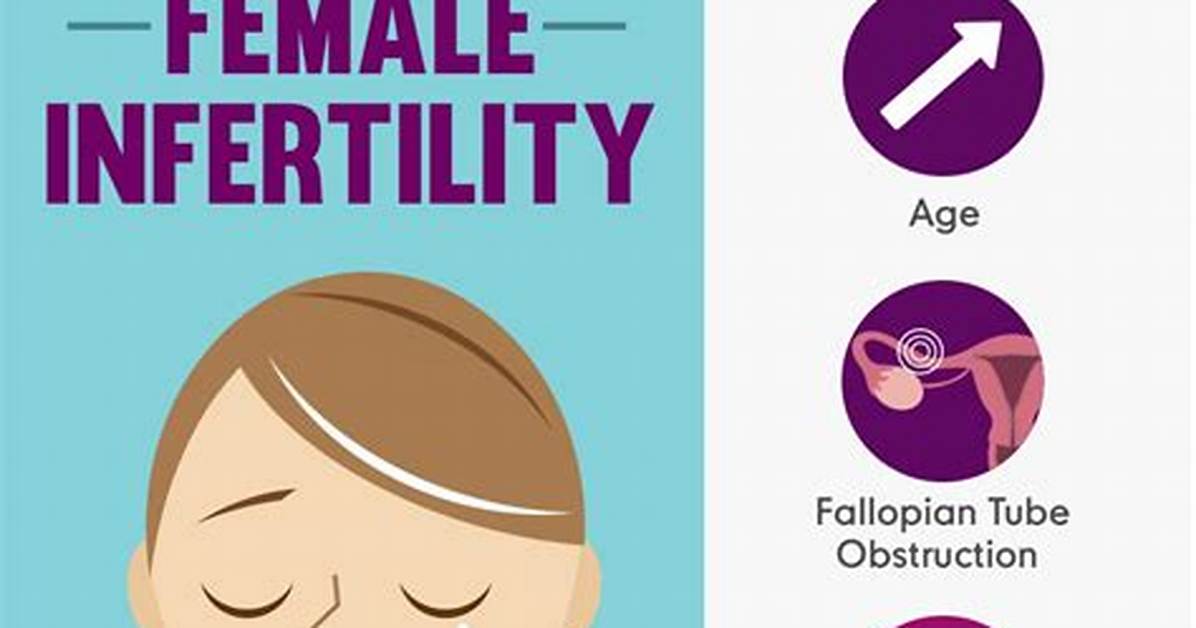
Thanks to the honesty and bravery of women around the globe, infertility is talked about more openly than ever before. Many of us know someone personally who has dealt with infertility, and celebrities like Gabrielle Union, Anne Hathaway, and Amy Schumer have candidly spoken about their experiences.
Infertility awareness is undoubtedly a good thing, especially for those who are wondering whether their struggle to conceive is normal, or who are feeling shame related to not getting pregnant — particularly since getting pregnant can feel like a competition. At the same time, the spotlight on infertility has made some who have yet to start the process (or who are still early on) wonder and worry: ‘Will I deal with infertility? And if so, what will happen?’
That component of anxiety around conception is real. “I think so many women fear the worst for their own reproduction,” says Tia Jackson-Bey, M.D., a reproductive endocrinologist, infertility specialist, and board-certified ob-gyn at RMA of New York. That phenomenon is probably due to a variety of factors, including the seemingly ever-present latest headline claiming “x” is the latest thing to cause infertility. Counterintuitively, all this talk about infertility makes some women feel less at ease about their reproductive chances — for some, needlessly so.
Of course, it’s smart to have a plan for what you might do if you see children in your future and you’re concerned about infertility. And yet, fertility experts say that for those who have yet to start the process of “trying” (and even those who have been at it for a while), there’s a lot of reason to be optimistic about your chances of conceiving. These fertility facts might just put your mind at ease.
1. We have more reproductive choices than ever.
“The good news is we have more options today than at any time before,” says Dr. Jackson-Bey. Though the whole idea of having a biological clock is real, she says, women have many family planning options — both to prevent and promote pregnancy — that simply weren’t available to the generations before us.
“The opportunity to prevent pregnancy when not ready and to have a family when desired, whether in a same-sex couple, single, or partnered is incredibly empowering and unique to this time in history,” Jackson-Bey adds. “There are opportunities for fertility preservation via egg freezing and an increasing number of women are making the decision to start families without a partner.”
Must Read
2. Small changes can make a big difference.
Some people who struggle to get pregnant may be successful after making tweaks to their conception methods. For instance, many couples are getting the timing wrong for intercourse, even if they are using ovulation strips,” explains Jessica Christie, ND, a naturopathic physician and nutritionist who specializes in holistic fertility. “While frustrating, this can be an easy fix once ovulation can be properly determined.” Christie recommends using a combination of basal body temperature and cervical fluid tracking to better understand ovulation timing.
Alexander Ross has covered the video game industry for a decade, writing deep dives on game design, esports tournaments, VR developments, and gaming culture.
