
3 Marvel Characters That Changed the Superhero Landscape

Marvel Characters Have Not Only Entertained Us but Have Also Shaped the Very Fabric of Popular Culture. with Their Rich Backstories, Complex Personalities, and...
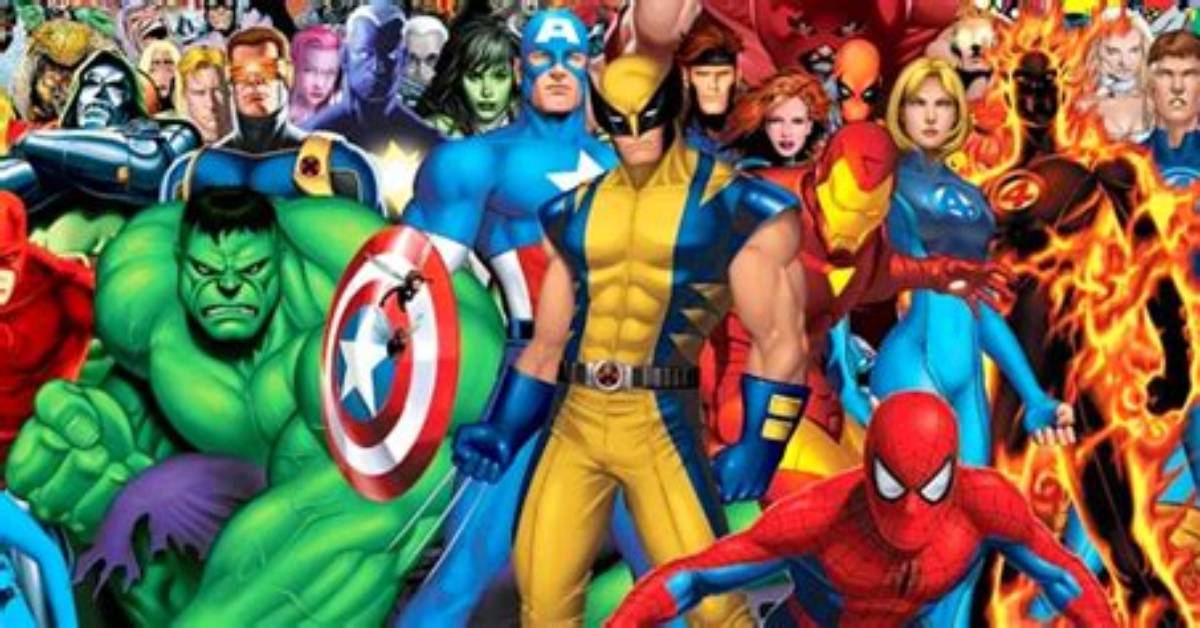
Marvel characters have not only entertained us but have also shaped the very fabric of popular culture. With their rich backstories, complex personalities, and moral dilemmas, these heroes and villains have become symbols of hope, justice, and sometimes even chaos. In this article, we will explore three Marvel characters that have made significant impacts both within the Marvel Universe and in the broader realm of superhero storytelling.
Each of these characters represents something unique, whether it's groundbreaking representation, a revolution in character development, or a shift in narrative style. From their humble beginnings in comic books to their blockbuster appearances on the big screen, these characters have resonated with audiences across generations. We will delve into their origins, key story arcs, and the influence they've had on the superhero genre.
Join us as we celebrate these iconic figures who have not only defined Marvel but have also contributed to the evolution of superhero narratives in a way that transcends mere entertainment.
1. Spider-Man: The Relatable Hero
Spider-Man, created by writer Stan Lee and artist Steve Ditko, first appeared in "Amazing Fantasy" #15 in 1962. The character quickly became a fan favorite due to his unique blend of superpowers and relatable human struggles.
1.1 Origin and Powers
Peter Parker, a high school student from Queens, gains his powers after being bitten by a radioactive spider. His abilities include superhuman strength, agility, and the iconic "spider-sense," which alerts him to danger. However, it’s his struggles with adolescence, relationships, and personal loss that make him relatable to readers.
1.2 Key Story Arcs
Some of the most notable story arcs include:
- The Night Gwen Stacy Died
- Kraven's Last Hunt
- Spider-Verse
These arcs not only showcase Spider-Man's powers but also explore themes of loss, responsibility, and sacrifice.
1.3 Impact on the Superhero Genre
Spider-Man's success laid the groundwork for more relatable, humanized superheroes. He has inspired countless adaptations, including animated series, video games, and blockbuster films, solidifying his status as a cultural icon.
Must Read
2. Black Panther: A Cultural Icon
Black Panther debuted in "Fantastic Four" #52 in 1966, created by Stan Lee and Jack Kirby. As the first black superhero in mainstream American comics, Black Panther (T'Challa) has become a symbol of pride and empowerment.
2.1 Origin and Abilities
T'Challa, the king of Wakanda, gains his powers from a heart-shaped herb that enhances his strength, speed, and agility. His advanced technology and strategic mind make him one of the most formidable heroes in the Marvel Universe.
2.2 Key Story Arcs
Important storylines that highlight Black Panther's significance include:
- Black Panther: A Nation Under Our Feet
- Black Panther: The Complete Collection
- Avengers: The Kang Dynasty
These stories delve into themes of identity, leadership, and the complexities of being both a hero and a king.
2.3 Cultural Impact
Black Panther's 2018 film adaptation was a cultural phenomenon, breaking box office records and sparking conversations about representation and diversity in Hollywood. The film's success demonstrated the demand for stories that center on black characters and their experiences, paving the way for more inclusive narratives in superhero films.
Robert Thorne covers electric vehicle innovations, autonomous driving systems, global mobility trends, and automotive engineering developments.
