
Buddy Holly

The 1950S Were a Decade in Which the Rock and Roll Scene in the United States Flourished. One of the Biggest Names in the Genre Was Buddy Holly, a Young...
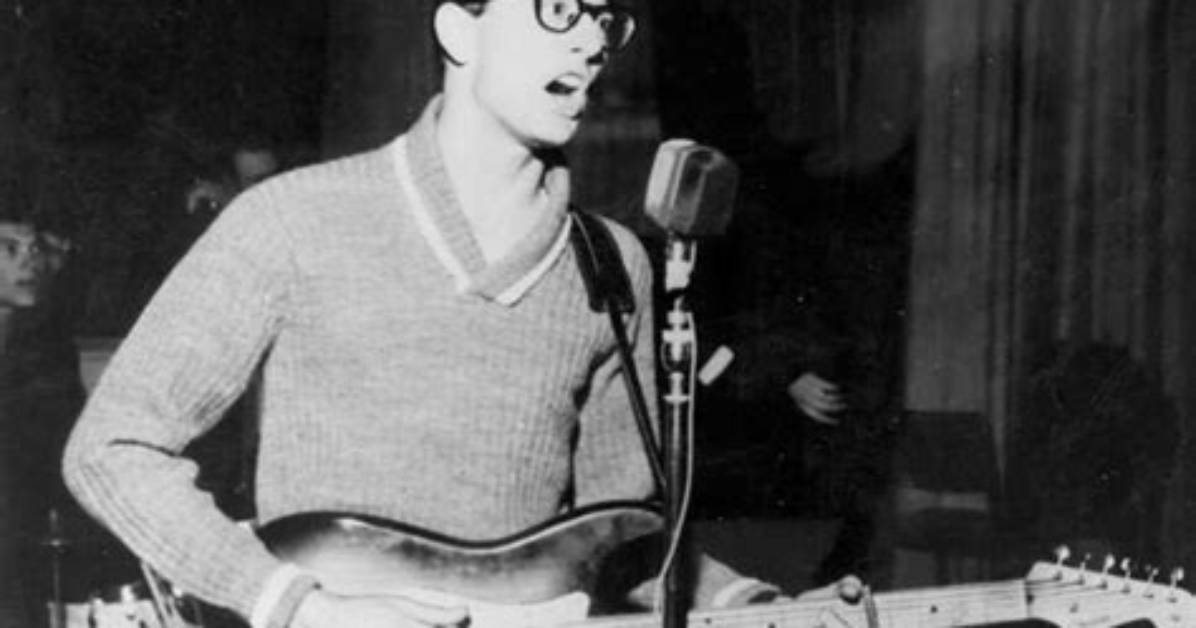
The 1950s were a decade in which the rock and roll scene in the United States flourished. One of the biggest names in the genre was Buddy Holly, a young rockabilly musician associated with the band “The Crickets”. At birth, the young Texan boy was named Charles Hardin Holley, but he received the nickname “Buddy” early on in his childhood. The alternate spelling of his last name in which the letter “e” was dropped originated from a spelling mistake in his band’s record contract with Decca Records.
About
Buddy Holly was born on September 7, 1936 in Lubbock, Texas into a Baptist family. He was the son of Lawrence Odell Holley and Ella Pauline Drake and a brother to three siblings. Holly’s father was the only family member not to be musically inclined. In fact, Buddy’s brothers were an early source of inspiration to him. They played in local talent shows before being sent to the army during the Second World War. While Holly initially took piano lessons, he dropped the idea quickly and was taught by his older brother, Travis, to play the guitar.
Must Read
Music career
Buddy Holly is a prominent figure in the history of rock and roll, but his music was not confined to a single genre. Owing to his Southern background, Holly’s songs also exhibited many tell-tale characteristics of country music. His preferred instruments were the guitar and his voice, and his signature guitar was the Fender Stratocaster 1955. The image of this guitar make was carved into the artist’s gravestone.
Holly’s musical debut was as the opening act for Elvis Presley, which motivated him to pursue a career in music. He initially signed a record deal with Decca Records in 1956, but it didn’t take either side long to determine the professional relationship would not work.
While still under contract with Decca, Holly went on to form the band “The Crickets” together with Niki Sullivan, Jerry Allison, and Joe B. Mauldin. His terms with Decca Records prevented him from releasing music under his own name, which is why “That’ll Be The Day” and other projects in that period were released under the name of the band. Still, Holly reportedly felt he had more creative control working with the band and Brunswick Records, and was more satisfied with the results.
1958 was an important career for Holly professionally. His songs were gaining popularity, and he was invited to perform on “The Ed Sullivan Show”. He also went on “America's Greatest Teenage Recording Stars” tour along with his band. The tour took them international, going to Hawaii, Australia, and the UK, where their songs had been making the charts. The year also brought about changes in the bands make-up, when Tommy Allsup joined “The Crickets” as a lead guitarist. Tension between the band and their manager, Norman Petty, grew when Buddy Holly married, but was told his wife had to pose as their secretary in order to avoid alienating female fans. This conflict escalated, eventually leading to Buddy Holly’s separation from “The Crickets”.
Elena Rostova holds a Master's degree in Public Health Journalism. She covers groundbreaking medical research, holistic wellness trends, mental health awareness, and nutritional science.
