
Color Coding for Organization, Time Management, and Productivity

Color Not Only Adds a Visual Appeal to Your Daily Planning but Also Significantly Enhances Efficiency and Clarity. by Assigning Specific Colors to Various...
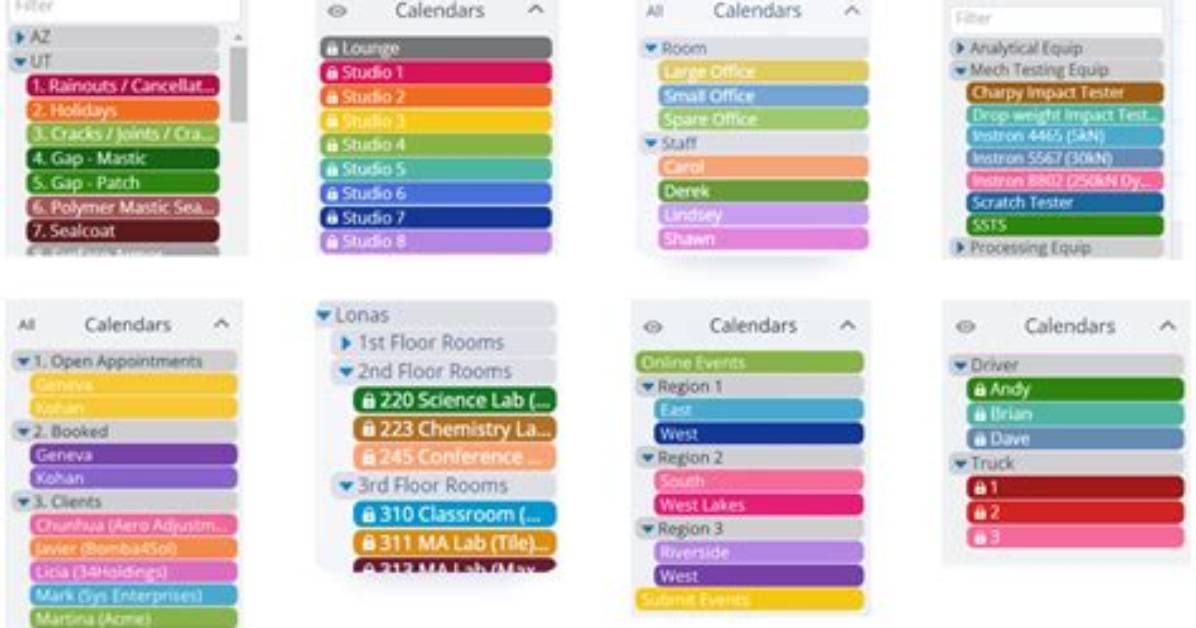
Color not only adds a visual appeal to your daily planning but also significantly enhances efficiency and clarity. By assigning specific colors to various tasks, appointments, and deadlines, you can create a more organized and easily navigable system. In this article, we will explore effective strategies for using color coding for organization, time management, and productivity.
Using Color Coding to Manage Time Effectively
In the fast-paced world we live in, managing time effectively is crucial for both personal and professional success. One innovative and visually engaging method to enhance time management is through color coding. This approach involves designating specific colors to different types of activities or priorities, making it easier to see at a glance how you’re allocating your time. Let’s delve into how color-coded time management can be implemented to organize your schedule more effectively.
Understanding the Concept
Color-coded time management is based on the principle of visual differentiation. By assigning unique colors to different tasks or activities, you create a clear, visual representation of where your time is going. This method not only simplifies the process of planning and reviewing your schedule but also helps in identifying imbalances in how you spend your time.
Selecting Your Color Palette
The first step is to choose a set of colors. It’s important to select colors that are distinct enough from one another to avoid confusion. You might use bright colors for high-energy tasks, cooler colors for low-energy tasks, and neutral tones for routine activities. Here’s an example of a color palette:
- Work: Blue
- Meetings: Green
- Personal Time: Yellow
- Exercise: Pink
- Relaxation: Purple or Mauve
- Errands: Orange
- Social: Turquoise
- Deadlines: Red or Maroon
Assigning Colors to Activities
Once you have your palette, the next step is to assign each color to a specific type of activity or priority. For instance, you might use blue for work-related tasks, green for meetings, and yellow for personal time. The key is to align the colors with the nature of the tasks in a way that makes sense to you.
Consistency and Adaptability
Maintain consistency in your color coding system. This consistency helps in building a habit and makes your planner more intuitive over time. However, be open to making adjustments if a certain color isn’t working or if your priorities shift.
Visual Hierarchy and Prioritization
Use colors to create a visual hierarchy. Bright and bold colors can draw attention to high-priority tasks or important deadlines, while softer colors can be used for less urgent tasks. This strategy helps in quickly identifying what needs immediate attention.
Balancing Aesthetics and Functionality
While aesthetics are important, functionality should not be compromised. The color coding system should make your planner more efficient and not just more colorful. Avoid overcomplicating the system with too many colors or intricate rules.
Review and Adapt
Regularly review your color coding system to ensure it still aligns with your current needs and priorities. As your responsibilities and lifestyle change, your color coding system may need to evolve as well.
Visualizing Your Time
With your colors assigned, you can now start color-coding your schedule. Whether you’re using a physical planner or a digital calendar, block out time for each task using its corresponding color. This visual approach allows you to quickly see how much time you’re dedicating to each area of your life.
Identifying Imbalances
One of the greatest benefits of color-coded time management is the ability to identify imbalances in your schedule. If you notice, for example, that the color representing work dominates your planner, it might be an indication that you need to allocate more time to relaxation or personal activities.
Adjusting Your Schedule
Use the insights gained from your color-coded schedule to make adjustments. If you’re spending too much time on certain activities and not enough on others, you can rearrange your schedule accordingly. This ongoing process of adjustment helps in achieving a more balanced and fulfilling life.
Tools and Techniques
For physical planners, use colored pens, markers, or stickers. For digital calendars, take advantage of color-coding features. Some digital tools also offer analytics based on your color coding, providing an even deeper insight into your time management.
Conclusion
Color-coded time management is a simple yet effective way to organize your schedule, prioritize tasks, and achieve a balanced life. By assigning colors to different activities and visualizing how your time is spent, you can gain valuable insights into your daily routine and make informed decisions about how to use your time more effectively. Whether you’re a busy professional, a student, or anyone looking to enhance productivity, this method can be tailored to fit your unique lifestyle and goals.
By carefully selecting colors and categorizing tasks you can transform your planner into an efficient, visually guided map of your daily life and enhance personal organization and productivity. I hope that this article will help you create a system that works for you, one that simplifies your life and helps you manage your time more effectively.
Must Read
Color Coding for Students: Enhancing Study Schedules, Assignments, and Exams
For students, managing a myriad of classes, assignments, and exams can be overwhelming. Color coding offers a visually intuitive and efficient way to organize study schedules, keep track of assignments, and prepare for exams. This method involves assigning specific colors to different subjects or types of academic activities, making it easier to prioritize tasks and manage time effectively. Let’s delve into specific strategies that students can use to integrate color coding into their academic lives.
Selecting a Color Palette
Choose a set of colors that are distinct and easy to differentiate. Each subject or type of academic activity should have its own color. For example, math could be blue, history red, science green, and so on. The choice of colors can be based on personal preference, the visual appeal of the colors, or even the association of certain colors with specific subjects.
Color Coding for Different Subjects
Assign a unique color to each subject. This can be applied in various ways:
- Notebooks and Folders: Use colored notebooks or folders, or place colored stickers on them to easily identify which materials belong to which subject.
- Study Schedule: When creating a study timetable, use the assigned colors to block out study times for each subject. This visual representation helps in balancing your study time across different subjects.
Tracking Assignments and Deadlines
Use color coding to keep track of assignments and deadlines:
- Planner or Calendar: Mark assignment due dates and exam dates in your planner or calendar using the color assigned to the relevant subject.
- To-Do Lists: In your to-do list, use the subject colors to categorize tasks, making it easy to see at a glance what needs to be done for each class.
Prioritizing Tasks
Differentiate between types of tasks (e.g., reading, writing, problem-solving) or priorities (urgent, important, less urgent) using colors. For instance, you might use red for urgent tasks, yellow for important but not urgent tasks, and green for less urgent tasks.
Visual Cues for Exam Preparation
As exams approach, use color coding to organize your revision schedule:
- Revision Timetable: Create a revision timetable with color blocks representing different subjects. This helps ensure that you allocate enough time to each subject.
- Flashcards and Study Notes: Use colored pens or highlighters to make flashcards or notes, with each subject’s information in its respective color.
Integrating with Digital Tools
For students who prefer digital tools:
- Digital Calendars and Planners: Use the color-coding features in digital calendars and planning apps to organize your study schedule and track assignments.
- Note-Taking Apps: Utilize different text colors or highlighters in note-taking apps to organize notes by subject.
Benefits of Color Coding
- Enhanced Organization: Color coding helps in keeping materials and schedules organized, reducing the time spent searching for information.
- Improved Focus and Memory: The use of colors can aid in memory retention and make study sessions more focused and productive.
- Stress Reduction: A well-organized study plan can reduce anxiety and stress, especially during exam periods.
Conclusion
Color coding is a simple yet effective tool for students to organize their academic lives. By assigning colors to subjects and types of academic activities, students can create a visually organized system that enhances focus, improves memory retention, and reduces stress. Whether using physical tools like colored pens and folders or digital applications, color coding can transform the way students manage their study schedules, assignments, and exam preparations.
Elena Rostova holds a Master's degree in Public Health Journalism. She covers groundbreaking medical research, holistic wellness trends, mental health awareness, and nutritional science.
