
Complete Guide to Using Artificial Tears for Dry Eyes After Lasik

By Autumn Sprabary Like Most Surgeries, Lasik Typically Requires Some Follow-up Care to Help with Healing and Discomfort That May Be Experienced After the...
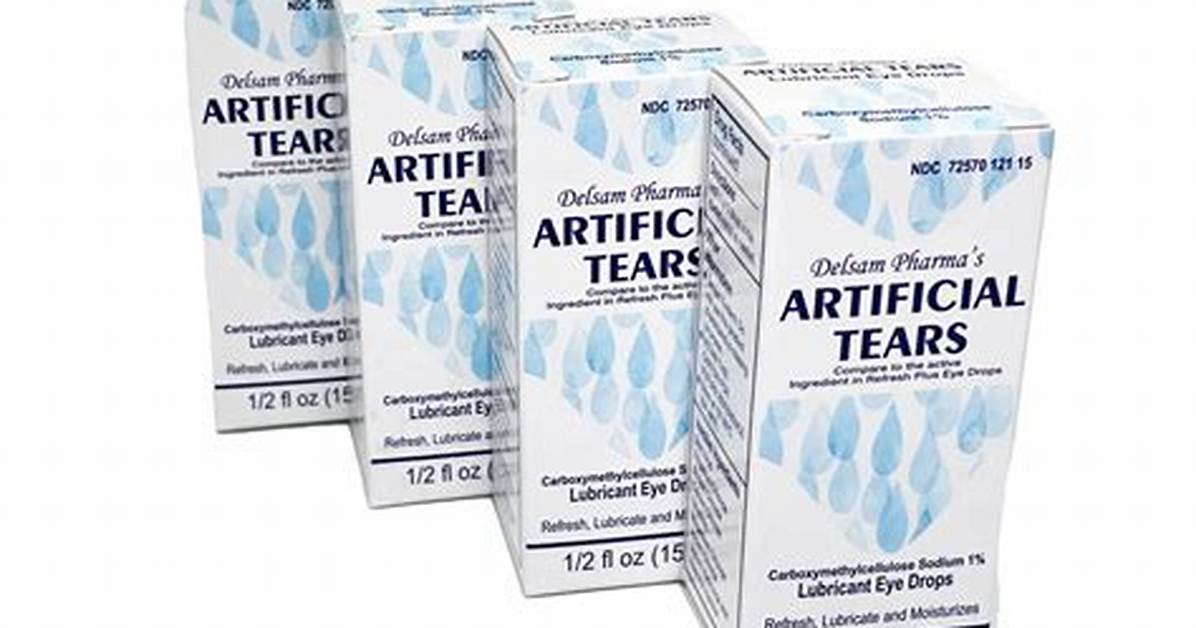
Like most surgeries, LASIK typically requires some follow-up care to help with healing and discomfort that may be experienced after the procedure. Luckily, a pocket-sized bottle of eye drops is typically all you need to find post-surgery relief.
Artificial tears are a LASIK patient’s best friend during recovery, as dry eye is one of the most common side effects experienced. But which eye drops should you use after LASIK and how long can you expect to use them?
Below, we provide a complete guide to using eye drops after LASIK to make it easy for you to keep your eyes hydrated and healthy after vision surgery.
Can I use artificial tears after LASIK?
Artificial tears are commonly prescribed to LASIK patients to use before and after the procedure. This is because dry eyes are a common side effect of LASIK, and because many people look to LASIK to help with their dry eyes.
Yes, it sounds counterproductive. Let us explain...
People who suffer from dry eye and require vision correction typically have issues wearing contact lenses because of their dry eye symptoms. Many of them don’t want to deal with the discomfort of contact lenses, but aren’t keen on the idea of wearing eyeglasses, so they look to LASIK for a solution.
During a LASIK procedure, tiny cuts are often made in the cornea, which is the front surface of the eye. Different layers of the cornea help to spread tear film and keep your eyes moist and healthy. When cuts are made in the cornea, it can disrupt its ability to recognize a need for lubrication, which results in dry eyes.
Using eye drops after LASIK surgery can help with the dry eye symptoms you may experience. It’s also common for those who have pre-LASIK dry eye to be given eye drops before the procedure date.
SEE RELATED: How long is the LASIK recovery time?
What eye drops are safe after LASIK?
We recommend speaking with your ophthalmologist to determine the best artificial tears after LASIK for your particular eyes. They will be able to recommend eye drops that cater to your individual needs, which is ultimately more effective than the trial and error of a one-size-fits-all approach.
If you need something to hold you over until you’re able to get an appointment, try preservative-free eye drops. They are more gentle on your eyes than drops with preservatives, and they're widely available at a reasonable price. However, we do not recommend extended use of over-the-counter eye drops unless advised by your eye doctor.
Sarah Jenkins is a veteran tech journalist with over 12 years of experience covering artificial intelligence, mobile innovations, and digital ethics. Her insights have appeared in leading technology publications worldwide.
