
Desktop Window Manager (Dwm. Exe). Why Do Dwm. Exe Using Cpu?

Desktop Window Manager (Dwm. Exe) Is a System Process Running in Windows, One of a Big Number of Ones That Are Used in This Operating System. It Is a...
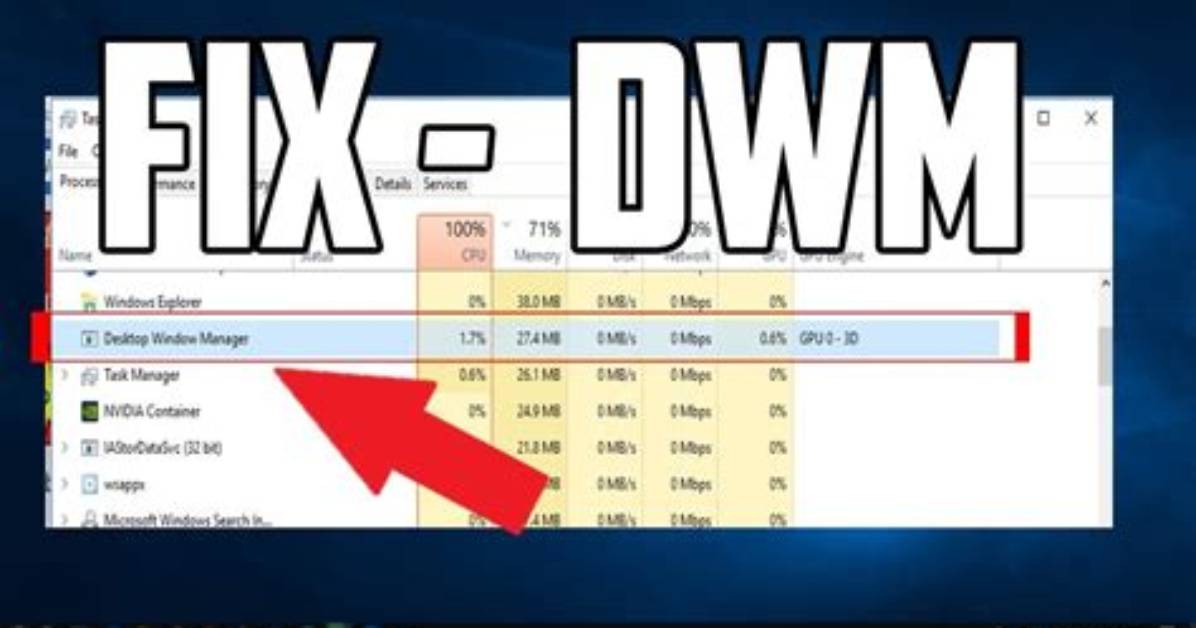
Desktop Window Manager (dwm.exe) is a system process running in Windows, one of a big number of ones that are used in this operating system. It is a deeply-integrated process, because it has a very important role. However, there was several cases when malicious programs mimic that process in order to be ignored by the user who tries to detect the malware presence through checking the running processes in Task Manager. In this post, you will see how to distinguish the original process from the malicious one, as well as information about the dwm.exe purpose.
Desktop Window Manager process purpose
Dwm.exe process is an integrated system process that launches together with the operating system and stops only after the session ends. That process is responsible for correct rendering of the effects you can see while using Windows. Smooth animations, transparent frames of each window and 3D objects visualization – all these things are used everyday and by every user. Besides the graphical effects, Desktop Window Manager also takes care of correct support of high-resolution monitors – 2K/4K ones.
The rendering mechanism of separate elements that are under the dwm.exe responsibility is also interesting. Program windows can overlay each other, and it is harder to draw the correct effects of transparency. After all windows were established, the Desktop Window Manager collects the pictures of all windows, and then processes them to get the single picture of the desktop, i.e. the picture that the user will see on his monitor.
Must Read
Can I disable dwm.exe?
No way. This process belongs to the system ones, so it is protected from any kind of external interruptions. And there is no need to do it – on modern versions of Windows 10, you will likely spectate a very low consumption for this process. If you see that Desktop Windows Manager takes more than 5% of your CPU/RAM resources, and you have ensured that there are no viruses onboard, try to perform troubleshooting.
Normal consumption of Desktop Window Manager process
The problems which may lead to high resources consumption of this process are usually related to the GPU that is used in the system. Update the drivers of all graphic processing units – Intel HD Graphics, AMD Radeon or Nvidia. If the problem is not solved, it is likely related not to the software, but to hardware. Unfortunately, you may be needed to repair or buy a new graphic card/processor.
The times when Windows processes may be disabled to increase the system performance have passed long ago. When Windows XP was the last actual OS version, computers were quite weak, and their upgrade was quite expensive, disabling several services could really make your PC faster without any significant problems. Nowadays, such tricks can make things even worse.
David Miller brings 15 years of experience in global economics, personal finance strategy, and market dynamics. He specializes in turning complex economic trends into actionable insights for everyday readers.
