
Difference Between Ambulance and Ambulette

An Ambulance and an Ambulette Are Two Vehicles That Are Used in the Medical Transportation Industry. Although They Both Typically Provide a Similar Service...
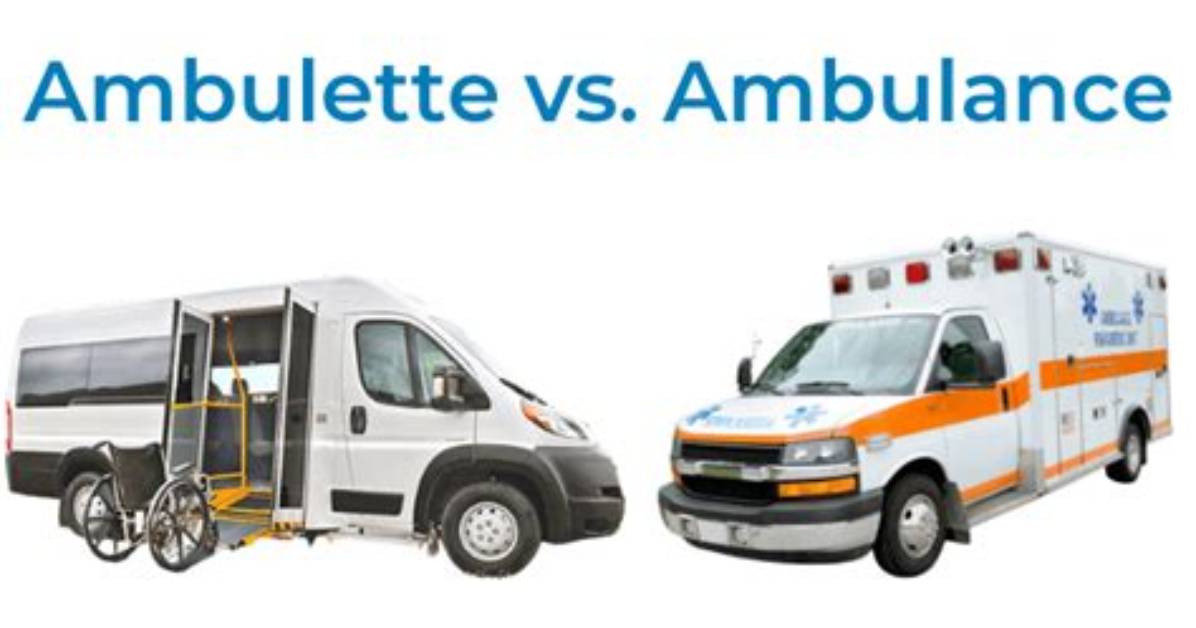
An ambulance and an ambulette are two vehicles that are used in the medical transportation industry. Although they both typically provide a similar service, they are two very different vehicles and serve two different purposes. Ambulances and ambulettes are generally differentiated by the type of care they provide and the patients they transport. In this article, we’ll look at the significant differences between ambulances and ambulettes.
1. Ambulance Services
Ambulances are transportation vehicles that provide emergency or critical care. They are most often used for an emergency or medical situation that requires immediate transport to a medical facility. Ambulances are typically staffed with a team of healthcare professionals, such as paramedics or EMTs, and are equipped with lifesaving equipment and medications. This allows them to provide a higher level of care during transport.
The ambulance is the preferred transport for time-sensitive medical emergencies. In some cases, the care provided in an ambulance can be the difference between life and death. Ambulances are designed to respond quickly to emergencies, and they typically have emergency lights and sirens to quickly get to their destination.
2. Ambulette Services
An ambulette, also known as a medical transport vehicle or a wheelchair van, is used to transport patients who require routine, non-emergency medical transportation. Ambulette services are most often used to transport patients who are unable to use public transportation, wheelchair bound, or require assistance with standing or transferring. Patients who require essential medical transportation or who are recovering from an illness or injury and need assistance with transportation may use an ambulette.
Ambulette services are generally slower and less urgent than emergency ambulance services; however, they still provide a high level of care to the patient. Ambulette services often transport patients to medical appointments, physical therapy, or other medical-related transportation needs. They usually have a driver and an attendant to provide assistance with the patient’s needs.
Sarah Jenkins is a veteran tech journalist with over 12 years of experience covering artificial intelligence, mobile innovations, and digital ethics. Her insights have appeared in leading technology publications worldwide.
