
Difference Between Communicable and Noncommunicable Disease

Communicable and Noncommunicable Diseases Are Two Distinct Types of Illnesses That Can Affect Individuals. Communicable Diseases, Also Known as Infectious...
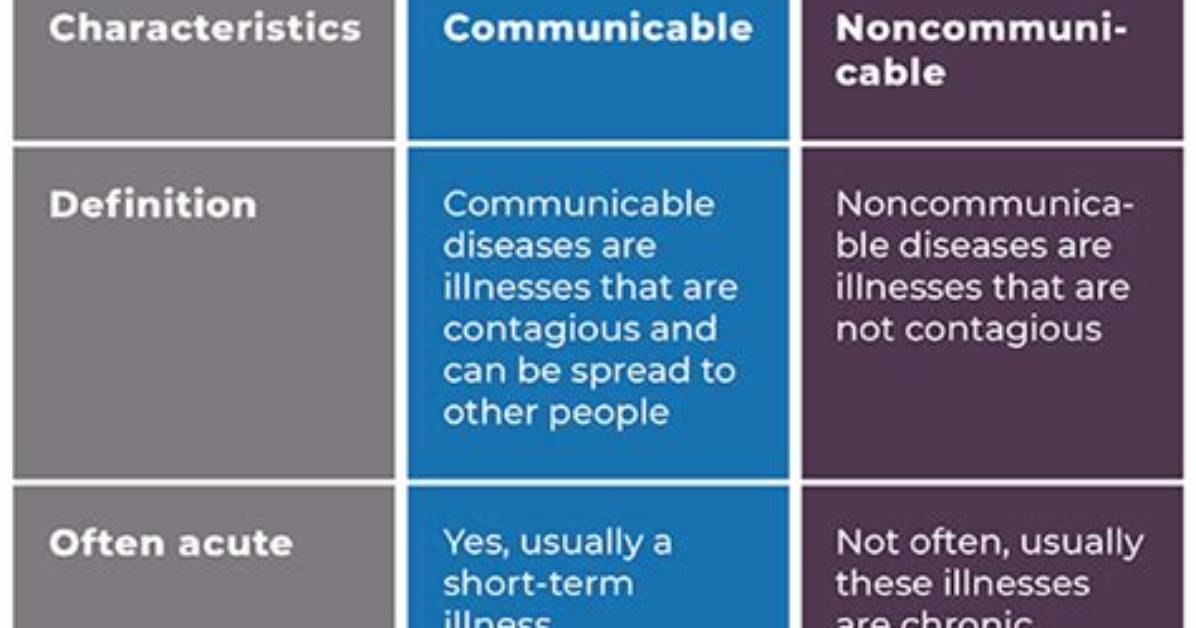
Communicable and noncommunicable diseases are two distinct types of illnesses that can affect individuals. Communicable diseases, also known as infectious diseases, are caused by organisms such as bacteria, viruses, fungi, or parasites that can be passed from one person to another. Noncommunicable diseases are not contagious and are typically caused by lifestyle and environmental factors. In this article, we will discuss the differences between communicable and noncommunicable diseases in more detail.
What is a Communicable Disease?
A communicable disease is an illness caused by an infectious agent that can be passed from one person to another. It is caused by the presence of an infectious agent such as a virus, bacteria, fungi, or parasite that can be spread through physical contact, contact with bodily fluids, exposure to an airborne agent, or through contaminated food and water.
Common examples of communicable diseases include the common cold, influenza, chickenpox, measles, mumps, rubella, whooping cough, and HIV/AIDS. Treatment for communicable diseases usually involves taking antibiotics or antiviral medications to treat the infection.
What is a Noncommunicable Disease?
A noncommunicable disease is an illness that is not caused by an infectious agent and cannot be passed from one person to another. These diseases are usually chronic and can be caused by lifestyle factors, environmental factors, or genetic predisposition. Common examples of noncommunicable diseases include diabetes, heart disease, cancer, asthma, and arthritis.
Noncommunicable diseases can often be managed and treated through lifestyle changes such as healthy eating, regular exercise, and stress reduction. Other treatments may include medications, surgery, or radiation therapy.
Marcus Vance is a cybersecurity auditor and technology writer dedicated to educating the public about online safety, data privacy regulations, enterprise security, and emerging cyber threats.
