
Do Dividends Reduce Retained Earnings?

One of the Key Financial Decisions Faced by Companies Is Whether to Distribute Their Profits to Shareholders as Dividends or Retain Them for Future Growth...
Do Dividends Reduce Retained Earnings?
One of the key financial decisions faced by companies is whether to distribute their profits to shareholders as dividends or retain them for future growth opportunities. Dividends are a portion of a company’s earnings distributed to its shareholders, while retained earnings are the profits that a company keeps after deducting dividends and other distributions. The question arises: do dividends reduce retained earnings? Let’s explore this topic in detail.
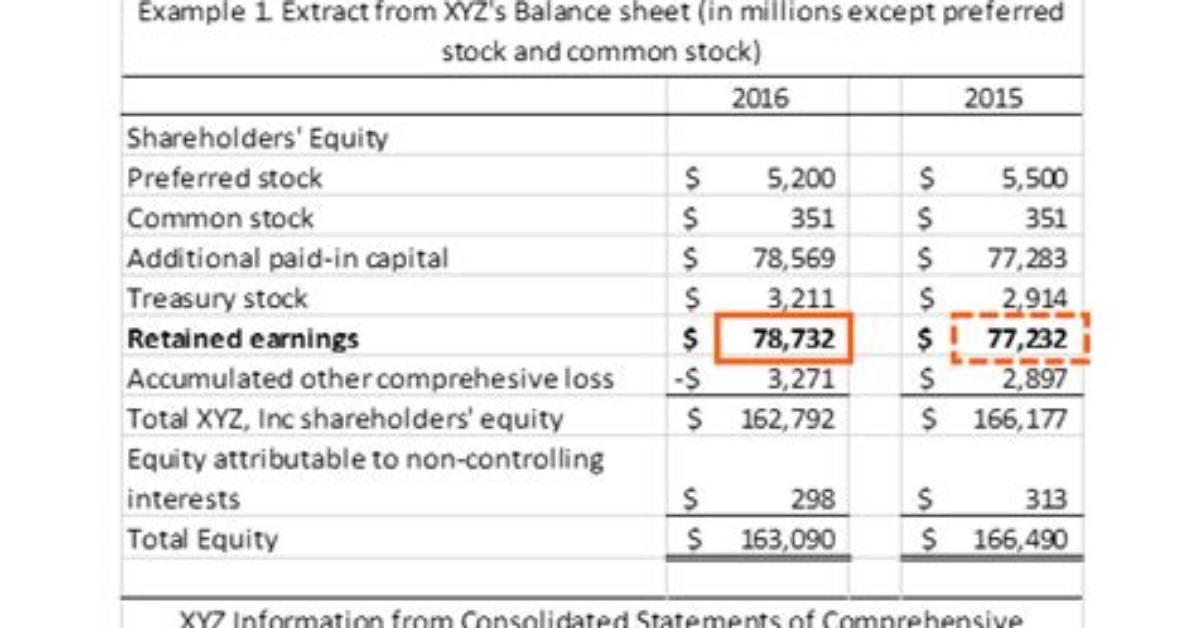
In simple terms, the answer is yes, dividends do reduce retained earnings. When a company pays out dividends to its shareholders, it is essentially transferring a portion of its profits out of the retained earnings account into the shareholders’ pockets. As a result, the amount of retained earnings decreases by the same amount as the dividends paid.
Retained earnings play a crucial role in a company’s financial health and future growth prospects. They represent the cumulative net income earned by the company since its inception, minus any dividends paid. Retained earnings are often reinvested back into the business for research and development, acquisitions, debt reduction, or other strategic investments. Therefore, a reduction in retained earnings due to dividend payments can impact a company’s ability to pursue growth opportunities or weather financial uncertainties.
It’s important to note that dividend payments are made from the net income generated by a company. Before distributing dividends, a company subtracts various expenses, taxes, and other obligations from its revenue to arrive at its net income. If a company’s net income is insufficient to cover the desired dividends, it may dip into its retained earnings to make up the shortfall. However, excessive reliance on retained earnings to pay dividends may not be sustainable in the long run, as it can deplete the resources available for future growth.
While dividends do reduce retained earnings, it’s crucial to find the right balance between returning profits to shareholders and retaining earnings for future reinvestment. Companies must consider their financial position, cash flow requirements, growth opportunities, and shareholder expectations when making dividend decisions. By maintaining an optimal level of retained earnings, companies can demonstrate their ability to generate profits, build shareholder confidence, and ensure they have sufficient resources to fuel future growth.
