
Expert Tips for Growing Christmas Tree Palm

If You Need a Vacation but Can’t Get Away to a Tropical Destination, Why Not Grow a Christmas Tree Palm? Before You Ask: It’s a Common Question, but No, the...
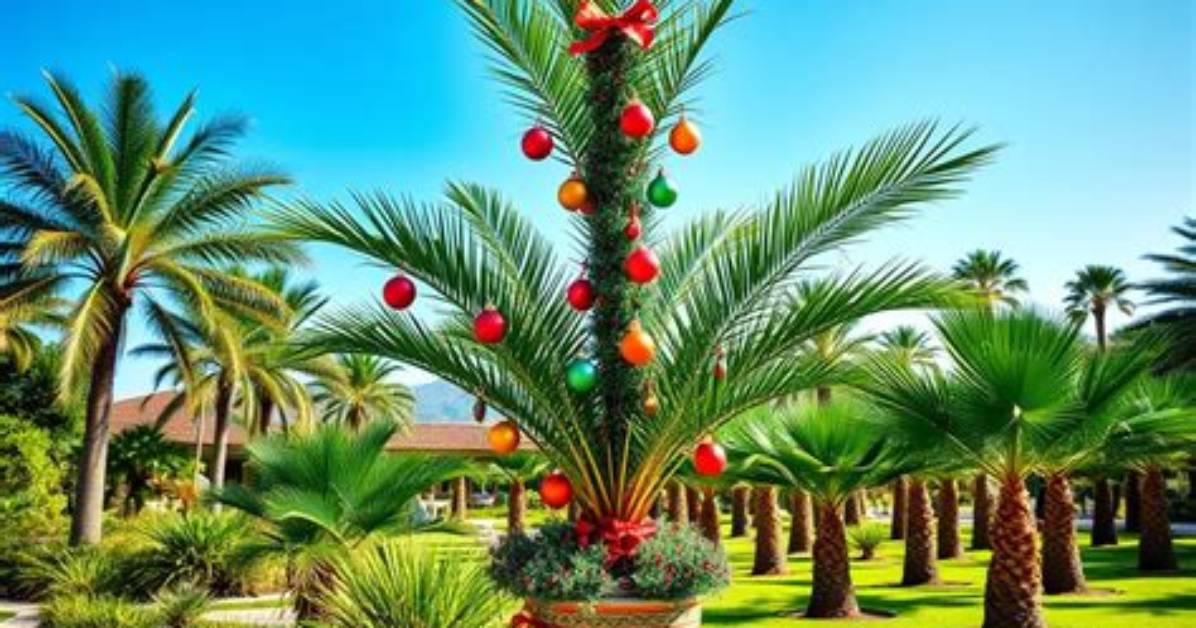
If you need a vacation but can’t get away to a tropical destination, why not grow a Christmas tree palm? Before you ask: It’s a common question, but no, the Christmas tree palm doesn’t look like a Christmas tree! Native to the Philippines and Malaysia, this attractive palm, also called Manila or dwarf royal palm, actually gets its name from the bright red fruits that appear on mature trees, usually in late December. Although it’s a single-stemmed tree, you’ll often find it planted in clumps of 2 or 3 for aesthetic reasons. “With dark green foliage and red berries, it’s a striking tree,” says Mica McMillan, PhD, professor of palms and ornamental horticulture at the University of Florida. “It’s a more compact palm so it works in smaller gardens and also is less needy and fertilizer-hungry than many other types of palm trees.”
Here’s what else you need to know about growing a Christmas tree palm.
How do I care for a Christmas tree palm?
Christmas tree palms (Adonidia merrillii, formerly Veitchia merrillii) grow in zones 10B to 11 (find your zone here). Some people have luck planting them in containers on the patio or treating them as houseplants in cold climates. “These palms don’t take well to frost,” says McMillan. “If you live north of the Orlando area and keep it outdoors in summer, you’ll need to bring it indoors before the temperatures drop.” Place it in a sunny south-facing window, or use a grow light in dark rooms.
