
Exploring Crime Scene Evidence Through Photographs

Crime Scene Photos Serve as Critical Pieces of Evidence in Criminal Investigations, Capturing the Details of a Scene That Can Be Pivotal in Solving a Case...
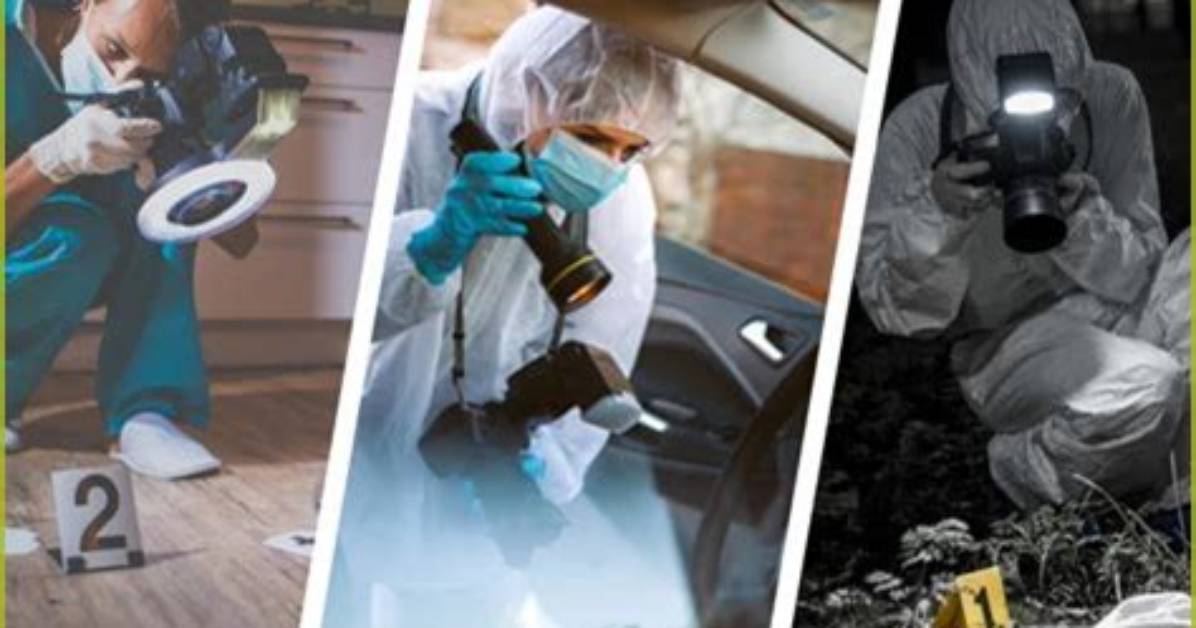
Crime scene photos serve as critical pieces of evidence in criminal investigations, capturing the details of a scene that can be pivotal in solving a case. These images not only provide a visual representation of the crime but also play a significant role in the judicial process. In this article, we will delve into the importance of crime scene photography, the techniques used, and the ethical considerations surrounding its use.
Understanding the role of crime scene evidence photos is essential for law enforcement, forensic experts, and legal professionals. These photographs are taken at the scene of a crime and can include everything from the victim's position to the items found nearby. They are integral in reconstructing the events that led to the crime and can greatly influence the outcome of trials.
This article will explore various aspects of crime scene photography, including best practices, the technology involved, and the legal implications. By the end of this discussion, readers will have a clearer understanding of how crucial these photographs are in the pursuit of justice.
The Importance of Crime Scene Photography
Crime scene photography is a vital element of forensic science and the criminal justice system. Here are some key reasons why:
- Documentation: Crime scene photos provide a permanent record of the scene, preserving the evidence for future reference.
- Reconstruction: These images help in reconstructing the sequence of events, allowing investigators to understand what transpired.
- Evidence Presentation: Photographs are often used in court to present evidence to juries and judges, making complex scenarios easier to understand.
- Expert Testimony: Forensic photographers can provide expert testimony based on the images taken, which can be critical in legal proceedings.
Must Read
Techniques Used in Crime Scene Photography
Crime scene photography requires a specific set of techniques to ensure that the images taken are admissible in court and accurately represent the scene. Some of these techniques include:
1. Overview Shots
These are wide-angle shots that capture the entire scene, providing context for the location and layout.
2. Close-Up Shots
Close-up photographs focus on specific evidence, such as fingerprints or blood spatter, highlighting important details.
3. 360-Degree Photography
This technique involves capturing the scene from multiple angles, allowing for a comprehensive view of the area.
4. Scale and Reference Points
Including measuring tools or items of known size in photographs helps provide scale, which is essential for understanding the dimensions of evidence.
Sarah Jenkins is a veteran tech journalist with over 12 years of experience covering artificial intelligence, mobile innovations, and digital ethics. Her insights have appeared in leading technology publications worldwide.
