
Exploring the Terrifying World of Horror Games: a Comprehensive Guide

Horror Games Have Captivated Gamers for Decades, Combining Elements of Fear, Suspense, and Thrilling Gameplay That Keeps Players on the Edge of Their Seats...
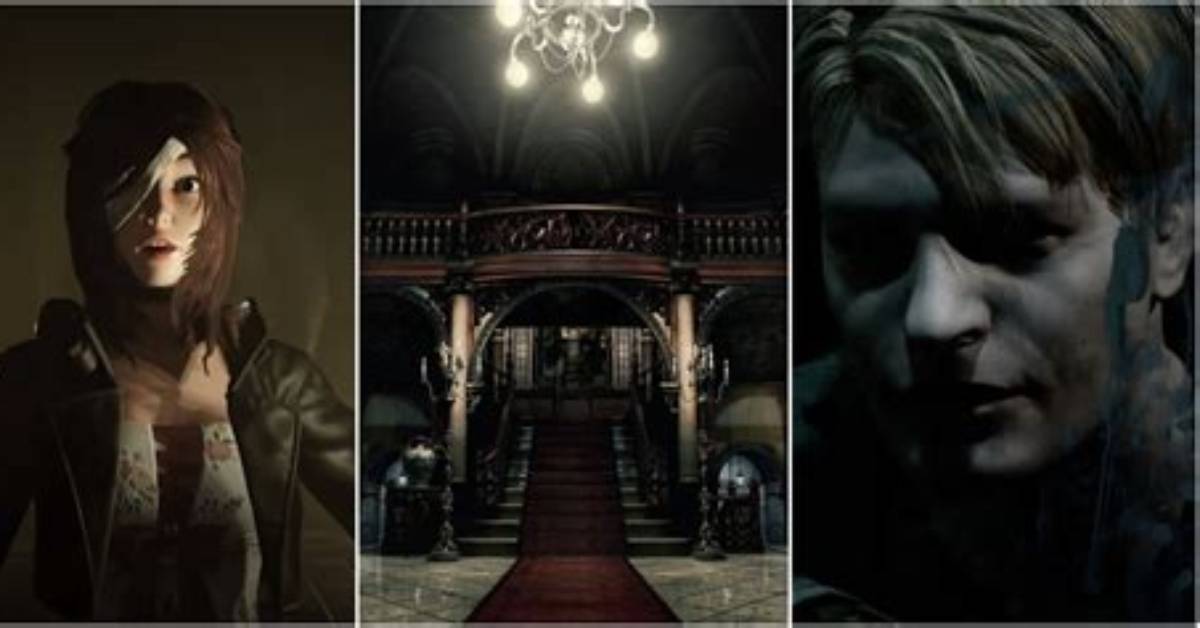
Horror games have captivated gamers for decades, combining elements of fear, suspense, and thrilling gameplay that keeps players on the edge of their seats. These immersive experiences not only provide entertainment but also evoke complex emotions. In this article, we will delve deep into the realm of horror games, exploring their history, evolution, and impact on the gaming community.
From classic titles that defined the genre to modern masterpieces that push the boundaries of technology and storytelling, horror games have evolved significantly over the years. We will examine the different sub-genres, notable games, and the psychological aspects that make horror games uniquely engaging. Whether you are a long-time fan or new to the genre, this guide is designed to enhance your understanding and appreciation of horror games.
Join us as we embark on a chilling journey through the world of horror games, uncovering what makes them so compelling and why they continue to thrive in the gaming industry. Grab your controller, turn off the lights, and prepare yourself for a deep dive into terror!
The History of Horror Games
The journey of horror games began in the early 1980s, with titles that laid the groundwork for future developments in the genre. Among the first horror-themed games was "Haunted House," released for the Atari 2600 in 1981. This game allowed players to explore a spooky mansion while evading ghosts and collecting items.
As technology advanced, so did the complexity and depth of horror games. The release of "Resident Evil" in 1996 marked a significant turning point, introducing survival horror elements that became a staple of the genre. This game combined puzzles, resource management, and a gripping narrative to create an unforgettable experience that defined the late '90s.
The Rise of Survival Horror
Survival horror games gained immense popularity in the late 1990s and early 2000s, with franchises like "Silent Hill" and "Fatal Frame" enhancing the gameplay with psychological horror elements. These games focused not just on jump scares but also on building an unsettling atmosphere that left players feeling vulnerable and anxious.
Must Read
Evolution of Horror Games
As the years went by, horror games continued to evolve, incorporating new technologies and gameplay mechanics. The introduction of 3D graphics transformed the way horror was experienced, allowing for more immersive environments and realistic character models.
In the 2010s, indie developers began to emerge, creating innovative horror games that challenged traditional norms. Titles like "Amnesia: The Dark Descent" and "Outlast" showcased how limited resources could still produce terrifying experiences through effective storytelling and atmosphere.
The Role of Virtual Reality
With the advent of virtual reality (VR), horror games entered a new frontier. VR technology allows players to engage with terrifying environments in unprecedented ways, heightening the sense of immersion and fear. Games like "Resident Evil 7: Biohazard" have shown how VR can transport players directly into the horror, making every moment more intense.
James Sterling reports on renewable energy developments, climate policy, ecological conservation, and green tech innovations around the globe.
