
Exploring Tragic Villains: the Depths of Complexity in Character Development

In the Realm of Storytelling, Tragic Villains Stand out as Some of the Most Compelling Characters. These Figures, Often Entangled in Their Own Flaws and...
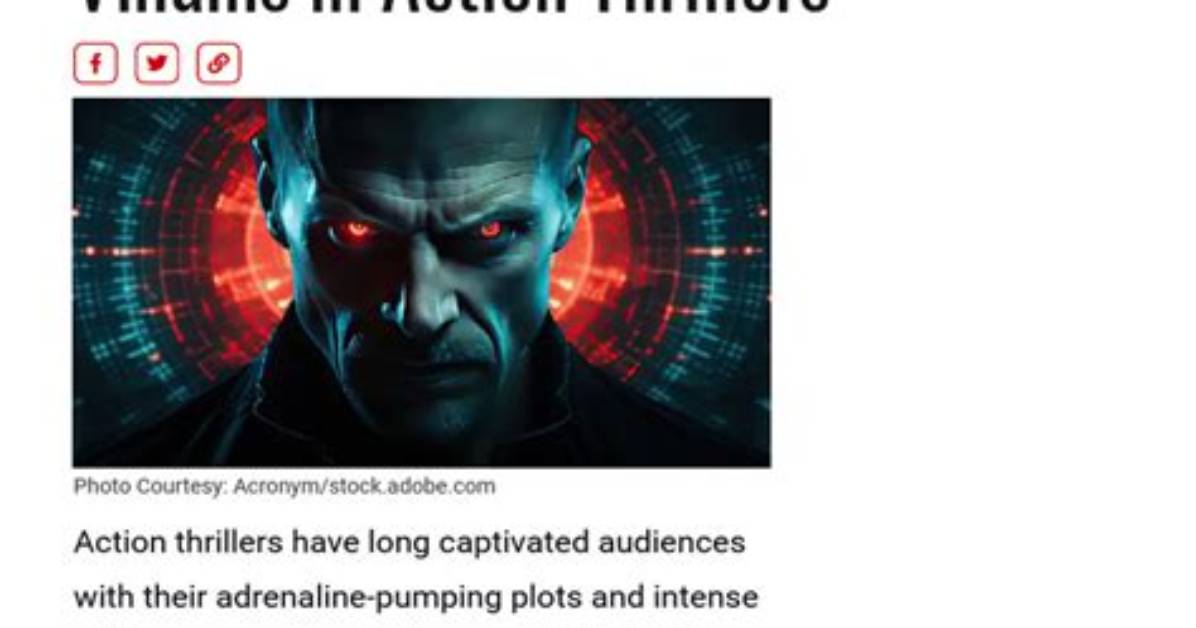
In the realm of storytelling, tragic villains stand out as some of the most compelling characters. These figures, often entangled in their own flaws and circumstances, evoke a unique blend of empathy and disdain. Their journeys can mirror our own struggles, making them relatable yet formidable. Understanding the intricacies of tragic villains not only enriches our appreciation of literature and film but also prompts us to examine the human condition itself.
Tragic villains are not merely antagonists; they are complex individuals shaped by their pasts, motivations, and choices. From Shakespearean plays to modern cinema, these characters often serve as cautionary tales, showcasing the consequences of unchecked ambition, betrayal, or despair. Their stories delve deep into themes of morality, identity, and the fine line between heroism and villainy.
In this article, we will explore the world of tragic villains, examining their characteristics, motivations, and the impact they have on their narratives. By understanding these characters, we can gain insights into the darker aspects of human nature and the societal structures that often shape our destinies.
Definition of Tragic Villains
Tragic villains are characters whose actions and motivations lead to their downfall, often resulting in a mix of pity and fear. They embody the classical definition of a tragic hero, as outlined by Aristotle, but take on the role of the antagonist. These characters often possess a tragic flaw, or "hamartia," which drives their actions and ultimately leads to their demise. Examples include characters such as Macbeth and Anakin Skywalker, who are driven by ambition and fear, respectively.
Must Read
Characteristics of Tragic Villains
Understanding the characteristics of tragic villains helps us appreciate their complexity. Here are some common traits:
- Flawed Nature: Tragic villains often have deep-seated flaws, such as pride, jealousy, or revenge.
- Backstory: Their past experiences often shape their motivations and actions, making them more relatable.
- Conflict: They are often in conflict with their own emotions, desires, and societal expectations.
- Descent into Darkness: Their journey often involves a moral decline, leading them further away from redemption.
Sophia analyzes international trade, startup ecosystems, retail transformation, and supply chain logistics for modern digital publications.
