
Hair Oil Uses and Benefits for Stronger, Shinier Hair

Especially for Those Prone to an Oily Scalp, There Used to Be a Time When the Mere Thought of Voluntarily Putting Extra Oil on Your Hair Would Send You Running...
Especially for those prone to an oily scalp, there used to be a time when the mere thought of voluntarily putting extra oil on your hair would send you running for the hills. After all, using a hair oil feels counterintuitive when most beauty advice centers around preventing slick, greasy hair.
But hair oils are, in fact, a must-have in every beauty pro’s arsenal. There are just a few simple tricks to finding the right one for you and using it correctly to get the soft, shiny hair you’ve always wanted. Below, experts share everything you should know about the many hair oil uses and benefits — even for those with oily scalps— and how to incorporate it into your routine.
What Is Hair Oil?
Like the skin on the rest of your body, your scalp creates a certain level of oil to maintain moisture. Those oils then move to your hair, keeping strands from getting dry and fragile. However, everyone’s scalp is unique, and for various reasons, some people might not produce enough oil to keep hair moisturized. Not only that, but for those with certain hair types, such as curls or coils, their natural oils can't slide down the hair shaft as efficiently, either.
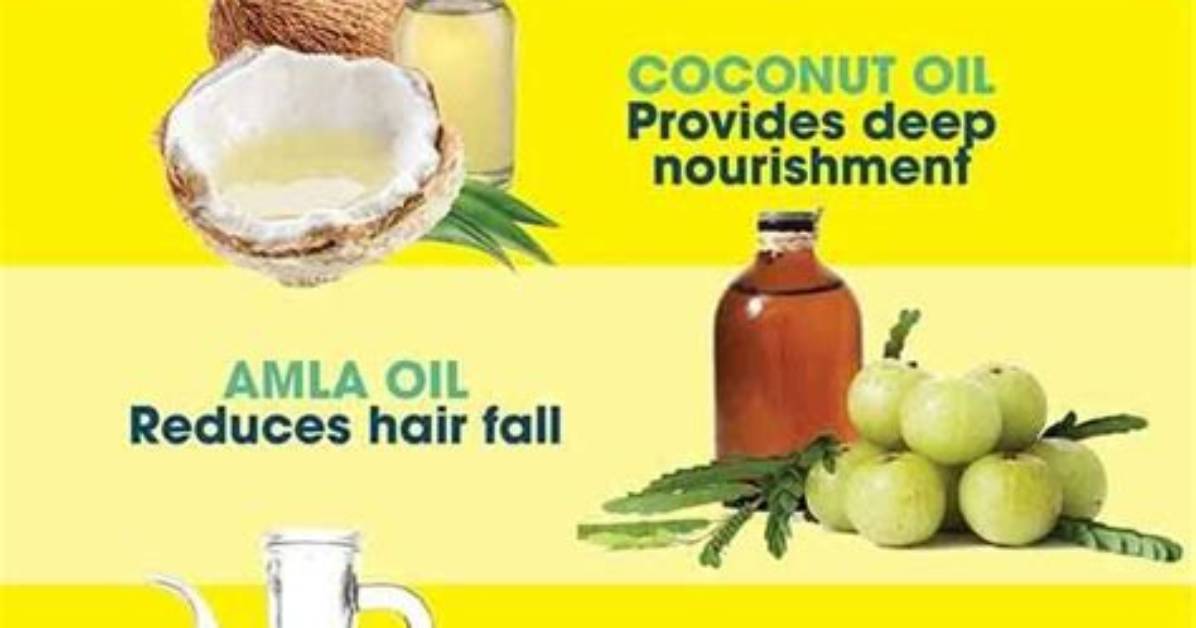
That’s primarily where hair oils step in: “Hair oils have been used for centuries in different cultures to promote hair health and enhance its appearance. It’s typically made from various natural or synthetic oils, such as coconut, argan, jojoba, or olive oil,” says Kasper Heemskerk.
Meet the expert
- Kasper Heemskerk is the International Education Director for Balmain Hair Couture.
- Kayla Peters is the Senior Manager of Product Development for Ouidad and Curls.
- Alessandra Bruno is a Senior Stylist at Fekkai in New York City.
Must Read
The Benefits of Hair Oil
The primary function of hair oil is to “nourish and condition the hair and scalp, especially for those with dry or damaged hair,” says Heemskerk. Other perks include:
- Heat protection: “Some hair oils, particularly those containing silicones or lightweight oils, can provide a degree of protection when using heat styling tools like blow dryers," says Heemskerk. "The oils create a barrier between the hair and the heat, reducing the potential damage caused by high temperatures."
- Frizz control: “Hair oils can help to tame frizz and flyaways by providing moisture and sealing the hair cuticles," he says. "The oils smooth the hair cuticles, reducing the chances of frizz caused by humidity or environmental factors."
- Added shine: “Hair oils can enhance the hair's natural shine, giving it a healthy and lustrous appearance," says Heemskerk. "It reflects light, making the hair appear smoother and more radiant."
- An environmental shield: “Hair oils can provide protection against the regular wear and tear of environmental aggressors like pollution,” says Kayla Peters.
- Healthy hair growth: “Certain oils, such as coconut and rosemary, are believed to have properties that can strengthen the hair and promote healthy growth," Heemskerk says. "They nourish the scalp, improve blood circulation, and provide essential nutrients to the hair follicles."
- Minimal irritation: “Some oils, like tea tree oil, have antibacterial, antiseptic, and anti-inflammatory properties that keep your scalp free of conditions that cause itchiness, flakes, and breakouts that hinder healthy hair growth,” says Peters.
Though some hair oils might claim they get rid of split ends, unfortunately, this one's a myth: Nothing can actually repair them. “Once the hair splits, the only effective way to get rid of split ends is by trimming them," Heemskerk says. "However, using hair oil can help prevent split ends by moisturizing the hair and reducing the chances of breakage."
Alexander Ross has covered the video game industry for a decade, writing deep dives on game design, esports tournaments, VR developments, and gaming culture.
