
Half Marathon Training Plan | Run with Myprotein

Running 13.1 Miles Is Possible for Most Runners. If You Can Do 10K Then a Half Marathon Is Your Next Challenge. So Whether You’re Looking to Build up to Your...
Running 13.1 miles is possible for most runners. If you can do 10k then a half marathon is your next challenge. So whether you’re looking to build up to your very first 13.1 miles, or you're simply looking to smash your PB, we’ve got training plans to get you over the finish line in style.
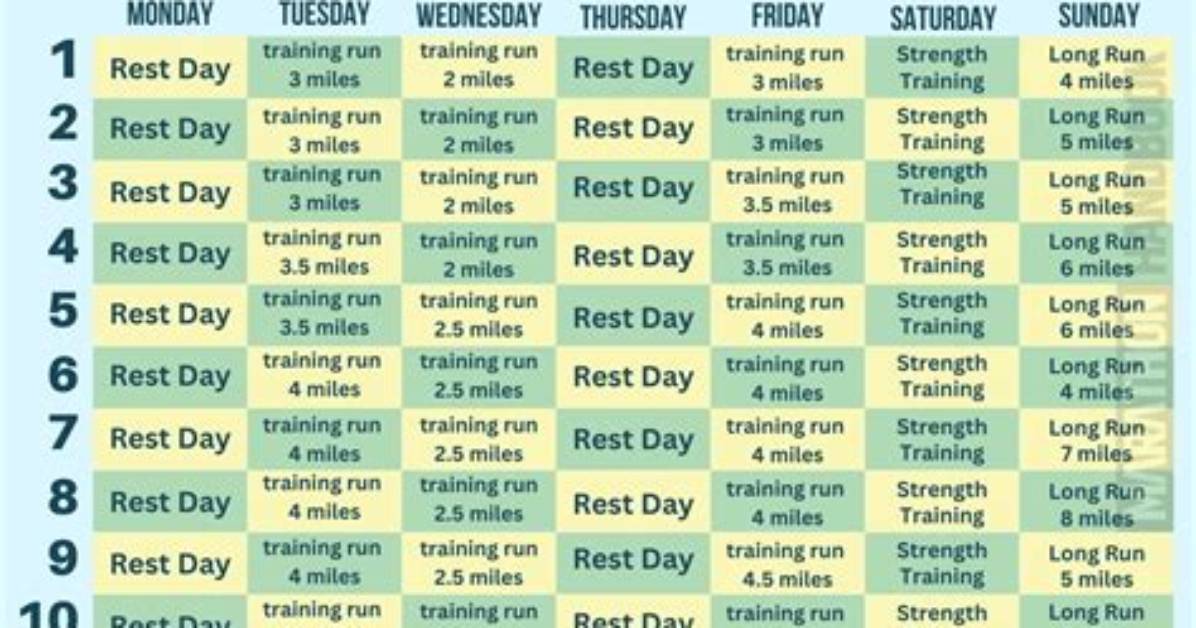
This article contains two training programs to set you up for race-ready fitness, preparing you for a half-marathon. Each program is designed by British long-distance runner Jonny Mellor, and are 8 weeks long, containing a mix of difficult run lengths and difficulties. If you find that you’re not recovering from your runs as well as you should week to week, then feel free to modify the program so that it better suits your needs.
Must Read
Half Marathon Beginners Program
The Half Marathon Beginner’s Program is the ideal progression following the completion of a successful 10k training program. The half marathon is becoming a very popular distance among recreational runners, due to the obvious challenge it presents. Many half marathon race routes are set over challenging courses so that they remain an interesting challenge to runners. Be smart about your training and listen to your body – we want to avoid overtraining (and under-recovery) and injuries as much as possible. As a general guide, you should be able to complete a minimum of 10-miles in training prior to running the distance of a half-marathon.
The generic program below has more emphasis on endurance than any of the other plans to prepare you for the distance. As a generic program, it may need to be modified to suit your needs and fit around your daily life. The key to half marathon training is to develop and maintain your aerobic fitness levels and improve your endurance. The beginner's plan includes easy state running as well as a weekly long run. This is a slow run with the challenge of running at a steady pace for the entire duration of the run.
Bouts of interval training are also included in this program, as a mix of skill in training is one of the most efficient routes to globally improving your cardiovascular fitness. Interval training involves alternating periods of high-intensity effort with periods of low-intensity effort, often called recovery. Interval training has many health benefits as well as improving your ability to run faster for longer. These efforts should be run at a pace faster than an easy run pace, but not an all-out sprint.
