
How Grant Hill Built His Post-Nba Business Empire

Grant Hill, the Former Nba Superstar and Duke Blue Devils Icon, Amassed over $100 Million in Career Earnings. He Has Invested in Several Huge Real Estate...
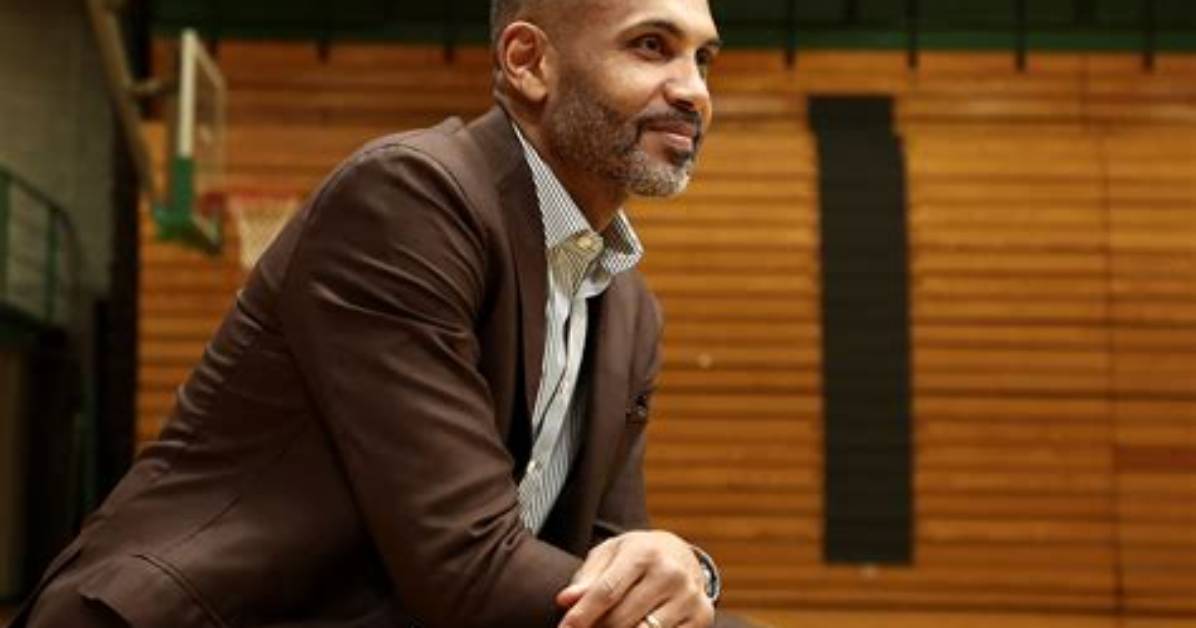
Grant Hill, the former NBA superstar and Duke Blue Devils icon, amassed over $100 million in career earnings. He has invested in several huge real estate projects, including a $5 billion development in Atlanta. He has an ownership stake in an NBA team, and has a new partnership with multinational conglomerate Philips.
Now, he’s estimated to have a net worth of $250 million.
But the 1994 Detroit Pistons first round pick is still paranoid about money – a mindset that persists from his days on the NBA court.
“I was always thinking about when the game was over,” Hill said about how he would budget during his playing days, with an eye on life after retirement. “And I think that served me well.”
Hill, 49, spoke to CNBC on Tuesday to discuss his new promotion arrangement with Philips’ razor products around the 2022 NCAA men’s basketball tournament, which starts March 17. He also works as a basketball analyst for Turner Sports’ NBA and NCAA games.
The interview was supposed to last only 15 minutes, but ended up stretching beyond 45 minutes as Hill discussed his investments, his continued involvement in the NBA and his unending curiosity about business in general.
Here’s how Hill navigated his finances and built a promising business portfolio off the court.
Thinking like a CEO
After he was drafted, one of Hill’s most notable decisions was electing not to hire a sports agent to negotiate deals. Hill said he doesn’t believe in paying an agent a percentage of his contracts to talk on his behalf. Basketball agents can charge up to 4% to players to settle contracts and earn more if they lure brand deals to clients.
Hill, who played for four teams over the course of 19 NBA seasons, recalled his first contract was an eight-year $45 million deal in 1994. That was negotiated by attorney Lon Babby, who had experience as the Baltimore Orioles general counsel and became Phoenix Suns president of basketball operations.
“Essentially, we’re CEOs of our own companies,” Hill said, referring to professional athletes. “And CEOs don’t typically hire agents and pay them a percentage. They work with lawyers, and they have attorneys that help them negotiate and vet deals for you. And to protect your interest in contracts. So, I went that route with representation.”
Babby, who charged Hill an hourly rate, helped negotiate a $93 million deal with the Orlando Magic in 2000 and set up a marketing division that secured deals from brands such as McDonald’s and Coca-Cola’s Sprite. Sports apparel company FILA signed Hill to a lifetime deal in 2018.
Grant Hill #33 of the Detroit Pistons stands at the line to shoot a foul shot against the Washington Bullets during an NBA basketball game circa 1994 at the US Airways Arena in Landover, Maryland. Hill played for the Pistons from 1994-2000.
Focus On Sport | Getty Images Sport | Getty Images
By taking control of his business early in his career, Hill said he learned by “sitting with the executive leadership team, going over marketing campaigns – visiting ad agencies to develop a strategy.” He also studied the business section in newspapers to learn about money and “kept things simple” when it came to spending.
“I didn’t change my lifestyle,” Hill said. “I didn’t go out on a shopping spree. I didn’t buy a car. I had a relationship with General Motors, and they gave me a couple of cars.”
Hill, who played until age 40, was elected to the Pro Basketball Hall of Fame in 2018 and sits on the organization’s board. He is also a member of the NBA Retired Players Association board of directors. In January 2021, Hill was named the new managing director of the U.S. men’s national basketball team.
Must Read
Inside Hill’s portfolio
Hill said he first became “paranoid about money and about losing money” after watching athletes struggle with money after their careers ended. Hill’s father – former Dallas Cowboys running back Calvin Hill – played in the NFL from 1969 through 1981, so he saw some players deal with financial woes up-close.
Asked if he remains paranoid about similar financial outcomes, Hill said: “There’s constant paranoia. I think that’s a little bit how I’m hardwired.”
I didn’t change my lifestyle. I didn’t go out on a shopping spree.
Grant Hill
businessman and retired NBA star
That thinking is reflected in his involvement in real estate investment.
“I believe in hard assets, real assets,” Hill said.
Hill praised his parents for developing an interest in the sector. He recalled entering the space in 2000, during his time with the Magic. Hill invested in multi-family units and office space buildings in central Florida, a region he described as “prime for growth, and has been growing tremendously since that time.”
Through his marketing and management company Hill Ventures, the former NBA All-Star invested and developed over $200 million in projects throughout Florida in North Carolina.
In his latest venture, Hill joined commercial real estate investment firm CIM Group to invest in Centennial Yards, a $5 billion mixed-use development in Atlanta. Hill said the downtown project would take seven to 10 years to complete. he compared it to L.A. Live, an entertainment and residential development outside Crypto.com Arena in Los Angeles.
Tetra Images | Brand X Pictures | Getty Images
Hill is one of the many athletes to profit from real estate investing post-career.
Basketball Hall of Famer and fellow Pistons legend Isiah Thomas has a real estate firm within his ISIAH International company. Former National Football League running back LeSean McCoy is building his portfolio through Vice Capital.
Several top-tier athletes are getting into cryptocurrency investment, but Hill is skeptical of whether the asset class is sustainable. Again, for Hill, it comes back to hard assets.
“There’s been great fortunes that have developed through real estate, and it’s a part of allocating assets,” he added. “I think it’s a safe bet, but I also think a profitable bet, compared to some of these sorts of new digital currencies that exist.”
Ballboys wear gloves while handling warmup basketballs as a precautionary measure prior to an NBA game between the Charlotte Hornets and Atlanta Hawks at State Farm Arena on March 9, 2020 in Atlanta, Georgia.
Todd Kirkland | Getty Images
Marcus Vance is a cybersecurity auditor and technology writer dedicated to educating the public about online safety, data privacy regulations, enterprise security, and emerging cyber threats.
