
How Peptides Can Benefit the Skin

In the Beauty World, the Word ‘Peptides’ Seems as Ubiquitous as Calls for a ‘Healthy Glow’ and Battles with ‘Uneven Texture. ’ but What Are They Exactly, and...
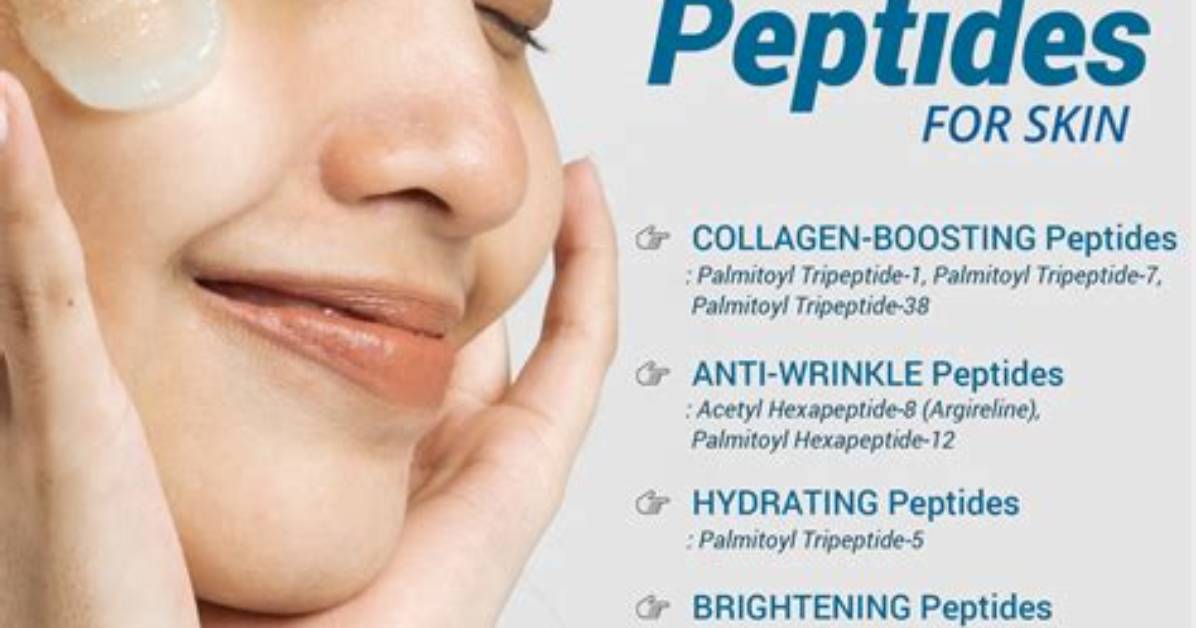
In the beauty world, the word ‘peptides’ seems as ubiquitous as calls for a ‘healthy glow’ and battles with ‘uneven texture.’ But what are they exactly, and are they as important as their prevalence indicates? As it turns out, peptides are much more than just a trending ingredient that will cycle out of popularity as quickly as it cycled in.
But what are they exactly? How do we use them in our skincare? Do we actually need them? We turned to experts to answer all of your burning peptide questions.
What Are Peptides?
“Peptides are amino acids that act as building blocks for the skin," shares board-certified dermatologist Lian Mack. "Another way to say it? Peptides are the smaller parts of the larger structural proteins in the skin.”
Peptides not only occur naturally in our skin, but they are also a part of an even larger picture, as collagen is actually made up of three peptide chains (often called polypeptides), making peptides necessary for collagen production.
We’re seeing peptides take a front seat in the anti-aging battle our skincare products are waging, because while collagen molecules are too large to absorb through our skin, peptides are not. That means that when we apply peptides to our faces, they can be absorbed past the outer layer of the skin and actually be used by our bodies. “Peptides act as signaling molecules, helping to boost collagen and elastin production,” explains Dr. Mack.
There are many types of peptides, and the most popular ones you'll encounter are copper and collagen. According to Michelle Henry, MD, board-certified dermatologist and Kiehl's consultant, copper peptides contain copper ions and are known for their wound-healing abilities as they assist in skin regeneration and repair. Collagen peptides promote collagen production to reduce the appearance of fine lines and firm skin.
You can add peptides to the list of important proteins that the body starts to produce less of after we hit 30 (along with collagen and elastin), which means our skin can use the helping hand of receiving additional peptides in the form of our skincare routine.
Must Read
Benefit of Peptides for Skin
There are many benefits to using peptides in your skincare routine. According to Dr. Henry, they include:
- Anti-aging properties
- Hydration
- Brightening effects
- Wound-healing abilities
- Anti-inflammatory properties
- Firmness and elasticity
- Better absorption of active ingredients
Peptides play well with others, which is why you can often find them in products alongside other active ingredients. Depending on what other ingredients they are paired with, peptides offer a host of benefits, including hydrating, firming, and tightening the skin. They can also help reduce the look of pores, diminish redness, ease inflammation, and help skin look plumper, therefore diminishing the look of wrinkles. “When peptides are formulated into skincare, those products improve tissue repair and cell turnover and help prevent and treat the overall signs of aging,” adds celebrity esthetician Sarah Akram,
According to Dr. Henry, peptides are suitable for a wide range of individuals looking to address specific skin concerns. "They can be particularly beneficial for those seeking to improve the appearance of aging skin, enhance firmness, and promote a more youthful complexion," she says. "Peptides can also be used to target other concerns such as hydration, brightening, and skin repair."
Dendy Engelman, MD, FACMS, FAAD, is a board-certified dermatologist and Mohs surgeon at the Shafer Clinic, agrees and adds that peptides can be especially helpful to those with sensitive skin conditions, such as eczema and rosacea.
Both Akram and Dr. Mack recommend that everyone over the age of 30 incorporate peptides into their skincare routine. “Peptides are a valued anti-aging ingredient, so it’s important to incorporate peptides into your skincare regimen in your early 30s,” says Akram. "Using peptides in a nightly skincare routine helps the skin repair itself from environmental stressors encountered during the day and function to slow down the gaining process,” adds Dr. Mack.
Alexander Ross has covered the video game industry for a decade, writing deep dives on game design, esports tournaments, VR developments, and gaming culture.
