
How to Do the Walking Lunge | Top Tips for Perfect Form

Walking Lunges Are One of the Best Movements to Add to Your Workouts If You’re Looking to Build Lower Body Strength. This Single-Leg Exercise Works Your Quads...
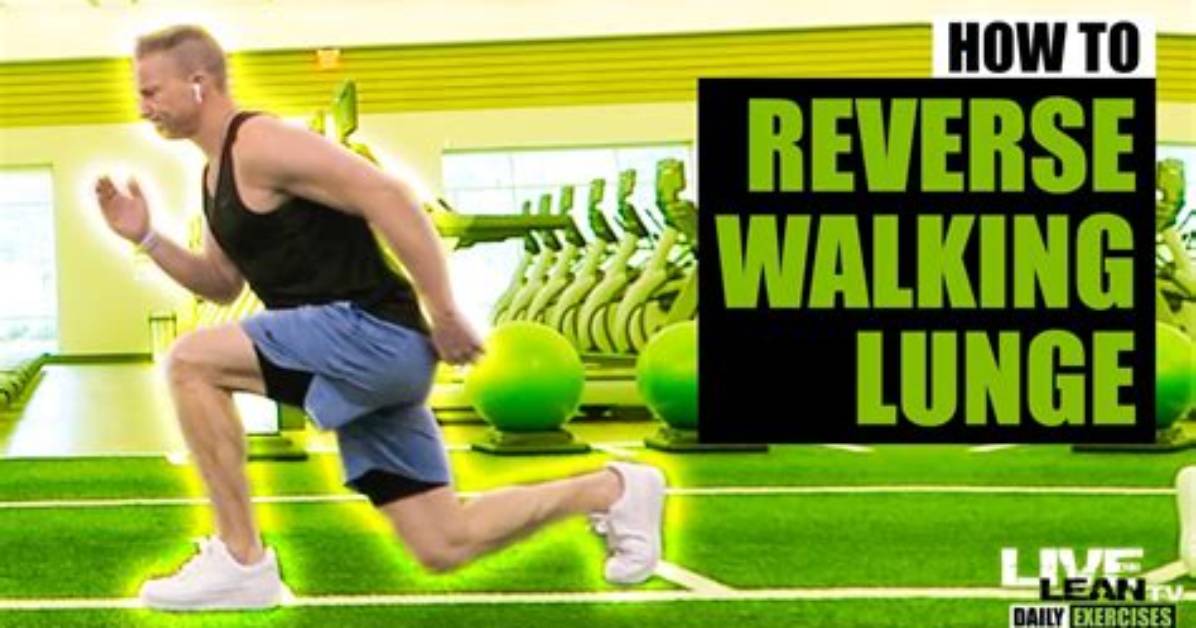
Walking lunges are one of the best movements to add to your workouts if you’re looking to build lower body strength. This single-leg exercise works your quads, hamstrings, core, and glutes all at the same time.
The best thing about lunges is the fact they don’t just test your body but also your balance and coordination as well as there being so many variations of this unilateral movement you can try, Such as the walking lunge.
The walking lunge is a great strength training exercise that targets the lower body and can be performed either at the gym or from the comfort of your own home. The key difference in a walking lunge is rather than staying stationary, like in the traditional lunge, you push forward from the back leg and pull forward from the front leg — creating the walking motion.
It targets all the muscles in your lower body, and because you’re continually stepping forward you’ll also engage your core muscles with every step. They provide an intense burn and can be progressed to challenge even the most conditioned legs.
How to perform the walking lunge
Find yourself a bit of space and get ready, because it’s time to take on the walking lunge.
- Take a big step forward with your left or right leg and slowly drop your back knee towards the ground. Make sure your toes are pointing forwards, hips are tucked under, and your front knee does not move past your ankle.
- As you drop to the ground, stop when your leading knee reaches slightly below 90° and your front thigh is parallel to the floor. Remember to not let your back knee touch the ground – this ensures your muscles are fully activated throughout the movement.
- Push off your front foot and drive the back leg forward to step straight into another forward lunge. Keep your torso upright and core activated as you move.
- Returning to the standing position between each step can provide a small rest and can help you keep your form on each rep.
You should feel this in your quads and glutes; if your lower back starts to ache, check your form in the gym mirror as you may be leaning too far forward.
Elena Rostova holds a Master's degree in Public Health Journalism. She covers groundbreaking medical research, holistic wellness trends, mental health awareness, and nutritional science.
