
I Tried the Big Breakfast Diet | Here's What Happened

This Week, I Tried the Big Breakfast Diet. Let Me Tell You Now, This Is My Kind of Diet — You’re Not Restricted from Eating Sweets and Starches, in Fact, It’s...
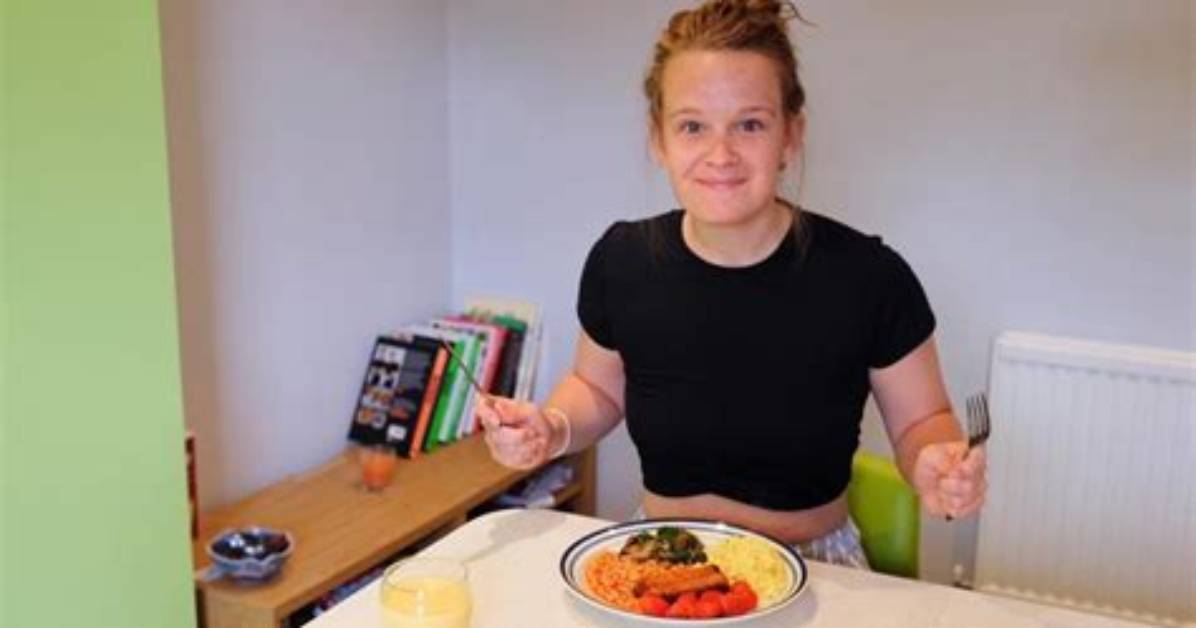
This week, I tried the Big Breakfast Diet. Let me tell you now, this is my kind of diet — you’re not restricted from eating sweets and starches, in fact, it’s encouraged. As the name suggests, your biggest meal of the day is breakfast. So, while we’ve been told for years that breakfast’s the most important meal of the day, can it really help you lose weight?
What is the Big Breakfast Diet?
Coined by Daniela Jakubowicz, this diet means eating the majority of your calories in the morning, then a little less at lunch time, and even fewer in the evening. The idea is that you use the calories you eat for energy during the day — rather eating them all than just before you go to bed.
Jakubowicz conducted a study to put the big breakfast diet to the test and found impressive results. She believes that you should eat in sync with your body’s natural rhythms. These rhythms control your body’s hormone levels which, in turn, affect how the body uses protein and carbs for fuel and how efficiently it burns body fat. Basically, eating the right foods at the right time is said to make you feel less hungry and reduce carb cravings while restricting calories.
So does it work? Jakubowicz carried out a study assessing the weight loss of 94 overweight women over eight months on two different food plans. Half of the study group followed a low-carb diet with a smaller breakfast, a bigger lunch, and an even bigger dinner equalling 1,100-1,400 calories per day. The second study group followed the big breakfast diet, eating the same amount of calories per day as the first group.
Both groups lost weight as they were on a large calories deficit, however the big breakfast group lost significantly more weight, reported an improvement in alertness and a lack of cravings, whereas the small breakfast group craved carbs far more.
What Do You Eat?
I opted for 1,400 to 1,500 calories per day, starting with a 700-calorie breakfast, 500-calorie lunch and 200 to 300-calorie dinner. The diet recommends eating the majority of your carbs and protein for breakfast and lunch and sticking to fruits and vegetables for dinner.
David Miller brings 15 years of experience in global economics, personal finance strategy, and market dynamics. He specializes in turning complex economic trends into actionable insights for everyday readers.
