
Introduction to the Neo4J Graph Database

Neo4J Is a Graph Database. a Graph Database, Instead of Having Rows and Columns Has Nodes Edges and Properties. It Is More Suitable for Certain Big Data and...
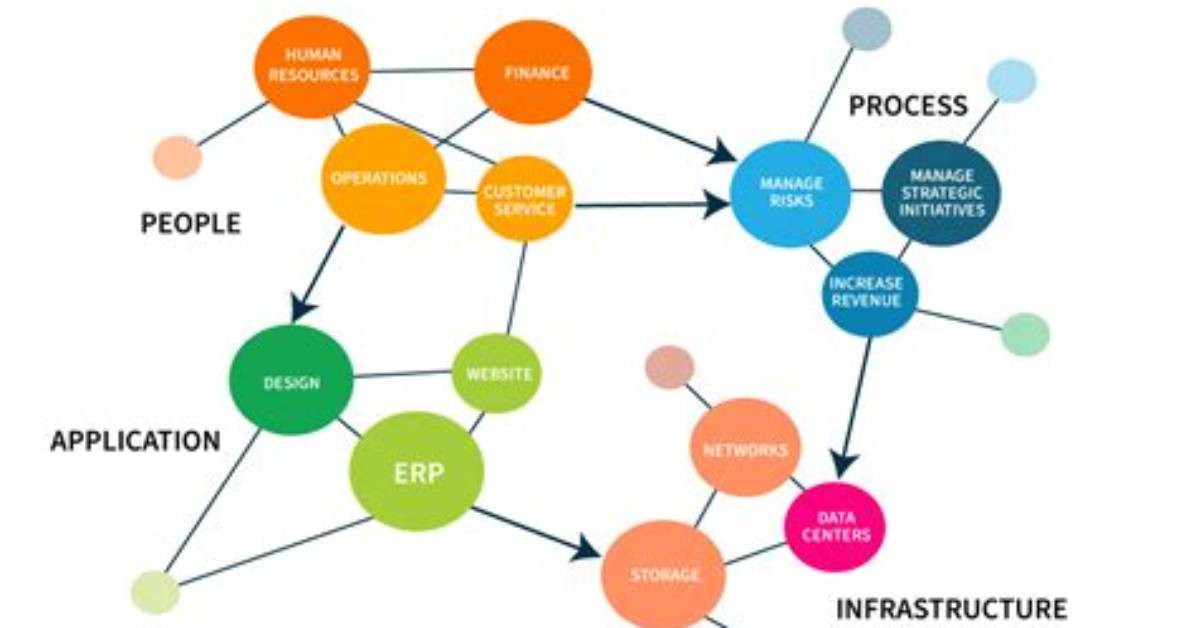
Neo4j is a graph database. A graph database, instead of having rows and columns has nodes edges and properties. It is more suitable for certain big data and analytics applications than row and column databases or free-form JSON document databases for many use cases.
A graph database is used to represent relationships. The most common example of that is the Facebook Friend relationship as well as the Like relationship. You can see some of that in the graphic below from Neo4j.
The circles are nodes. The lines, called edges, indicate relationships. And the any comments inside the circles are properties of that node.
We write about Neo4j here because it has the largest market share. There are other players in this market. And according to Neo4J, Apache Spark 3.0 will add the Neo4j Cypher Query Language to allow and make easier “property graphs based on DataFrames to Spark.” Spark already supports GraphX, which is an extension of the RDD to support Graphs. We will discuss that in another blog post.
In another post we will also discuss graph algorithms. The most famous of those is the Google Page Rank Index. Algorithms are the way to navigate the nodes and edges.
(This article is part of our Data Visualization Guide. Use the right-hand menu to navigate.)
Costs?
Is Neo4J free? That’s rather complicated. The Community Edition is. So is the desktop version, suitable for learning. The Enterprise edition is not. That is consistent with other opensource products. When I asked Neo4J for a license to work with their product for an extended period of time they recommended that I use the desktop version. The Enterprise version has a 30-day trial period.
There are other alternatives in the market. The key would be to pick one that has enough users so that they do not go out of business. Which one should you use? You will have to do research to figure out that.
Must Read
Install Neo4J
You can use the Desktop or tar version. Here I am using the tar version, on Mac. Just download it and then start up the shell as shown below. You will need a Java JDK, then.
export JAVA_HOME='/Library/Java/JavaVirtualMachines/jdk1.8.0_201.jdk/Contents/Home'Start the server and set the initial password then open cypher-shell. The default URL is a rather strange looking bolt://localhost:7687.
cd neo4j bin folder
neo4j-admin set-initial-password xxxxxx
./cypher-shell   -a bolt://localhost:7687  -u neo4j  -p xxxxx
Maya is a hardware enthusiast who tests and reviews smart home devices, smartphones, wearables, and audio gear. She focuses on practical consumer value and build quality.
