
'Love Bombing' Is a Way for Narcissists to Control You

Romantic Gestures Like over-the-Top Displays of Affection, Flowers, and Declaring Love Within Weeks Might Seem Straight out of a Rom-Com — but They Can Also Be...
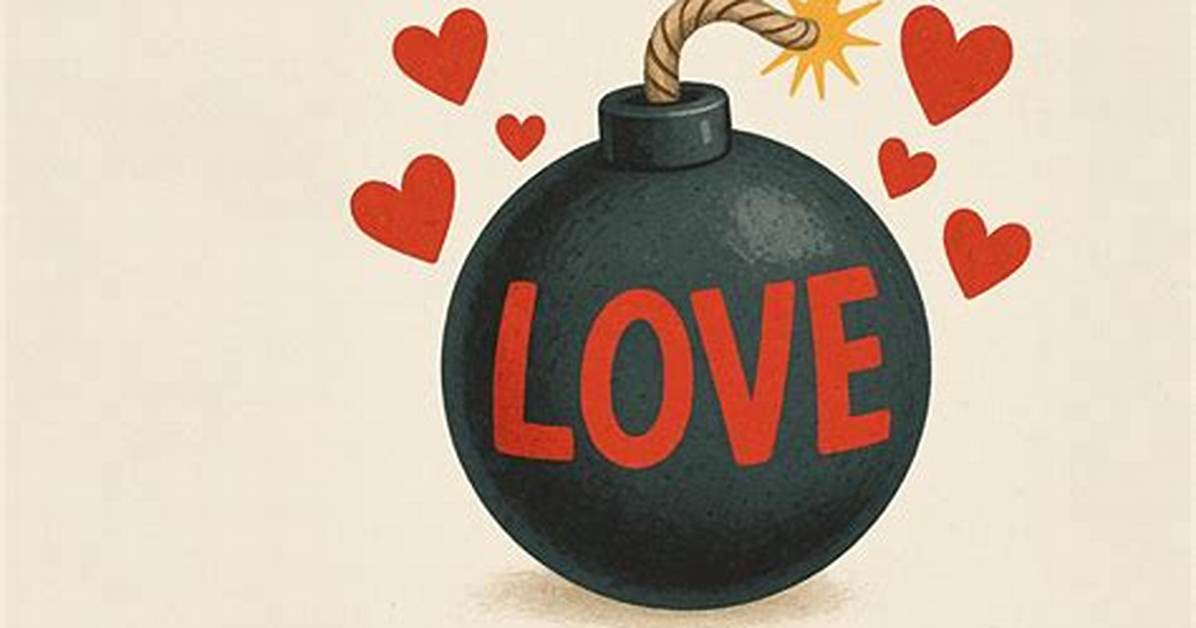
Romantic gestures like over-the-top displays of affection, flowers, and declaring love within weeks might seem straight out of a rom-com — but they can also be a sign of something much more sinister.
One mainstream example is when singer-songwriter FKA Twigs filed a civil lawsuit in 2020 against ex-boyfriend and actor Shia LaBeouf. In addition to subjecting her to physical and psychological abuse and verbal threats during the course of their relationship, Twigs's lawsuit included alleged details of how LaBeouf showered her with affection and attention soon after they met, jumping over the fence of her home to leave love notes and sending her up to 20 bunches of flowers a day. She has since identified his behavior as "love bombing." This tactic, as psychologists describe, is often used by abusers to manipulate their targets.
While the term might be overused (or misused) these days, this form of abuse is real and shouldn't be taken lightly. Ahead, experts Denise Dunne and Tatyannah King break down what love bombing really means — and why it can be so hard to spot.
Meet the expert
- Denise Dunne is a London-based psychotherapist and relationship counselor.
- Tatyannah King is a certified sex educator. She spends her time between Philadelphia and New York City.
What Is Love Bombing?
In a world that tells us that love stories should start with overblown obsessions and declarations of devotion, love bombing can be difficult to identify. According to Dunne, it is initially characterized by intense displays of adoration and the sense that a new relationship is too good to be true.
"Love bombing describes the behavior of flooding someone with flattering and grandiose messages, normally at the start of a relationship," she explained. "It is recognizable by feelings of being swept off your feet or, alternatively, a bit smothered."
Love bombers tend to use a barrage of affection in order to later exert control over their partner. The target becomes addicted to the adoring behavior that the love bomber initially displays — when these attentions are withdrawn they find themselves pursuing the high that they experienced at the start of the relationship. Love bombing is most common among narcissists and goes hand-in-hand with other toxic relationship traits, including gaslighting and emotional abuse.
"While intoxicating at first, the period of intense seduction is inevitably followed by very sudden denigration," noted Dunne. "The admiration is abruptly withdrawn, leaving the admired feeling worthless and confused, or forced to chase the admiration through submissive means."
Must Read
Signs of Love Bombing
Not every overly affectionate person is necessarily a manipulator, and not every new romance should be viewed with suspicion. King suggested there are some key signs that might indicate that a new interest is leveraging love bombing.
"It's tricky to pinpoint love bombing when it first happens because new relationships typically go through what we call 'the honeymoon phase,' where couples feel a romantic rush of euphoric emotions towards each other," she said. "However, you might notice that despite going into a relationship with the intention of taking things slowly, you find yourself coerced into doing the exact opposite because a love-bombing partner will demand your undivided time and attention. They'll text, call, and message over social media and likely get upset when you begin to place boundaries with them."
Dunne added that love bombing might come to light once a partner's tactics shift and they move into the emotional abuse stage of the process.
"Sometimes people really do fall in love at first sight," she said. "But you should be prepared to bail if you experience frequent and sudden shifts in dynamics from good to bad, recurrent accusations of being in the wrong, finding yourself acting uncharacteristically submissively, or being put down."
Sarah Jenkins is a veteran tech journalist with over 12 years of experience covering artificial intelligence, mobile innovations, and digital ethics. Her insights have appeared in leading technology publications worldwide.
