
Lunar Eclipse Dates & How They'll Affect Us, According to an Astrologer

If You're into Star Signs and Astrology, the Chances Are You've Wondered What a Lunar Eclipse Is and How It Might Influence Our Day-to-Day Lives. You're in...
If you're into star signs and astrology, the chances are you've wondered what a lunar eclipse is and how it might influence our day-to-day lives. You're in luck: GLAMOUR has enlisted the help of astrologer and moonologer Yasmin Boland to explain all.
But what actually is an eclipse? “Astronomically speaking, an eclipse is usually defined as ‘the total or partial obscuring of one celestial body by another’,” says Yasmin. “In astrology, it’s when the New or Full Moon takes place within 18 degrees of the lunar nodes.”
Read on to find out what to expect when a lunar eclipse occurs…
What is a lunar eclipse?
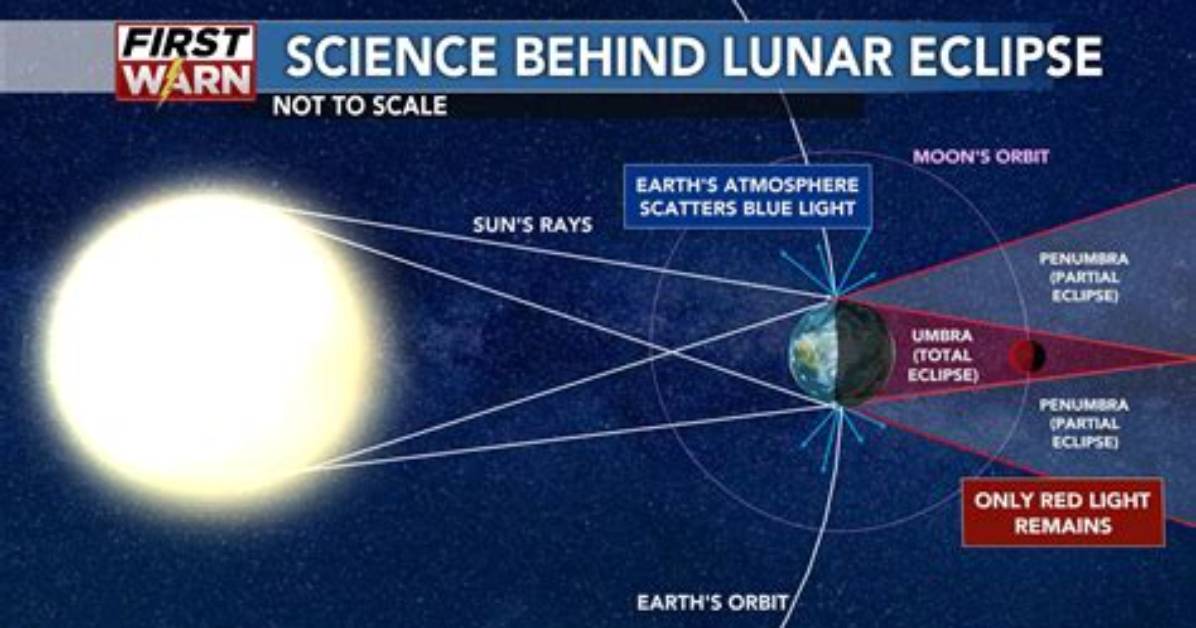
According to Yasmin: “A full moon eclipse, or lunar eclipse, occurs when the moon’s light is blocked by the Earth.” Or, in other words, the earth is blocking the sun's light to the moon. This happens when the moon passes into the earth's shadow, when the earth is positioned exactly between the moon and the sun.
Usually, the moon looks dimmed, or it turns a glowing red shade. Only half the world can see a lunar eclipse at the given time – i.e., you need to be on the ‘night’ side of Earth when one occurs. It happens during a full moon, but not during every full moon.
There are different types of lunar eclipse:
- A total lunar eclipse – when the moon moves into the inner part of Earth’s shadow, or the 'umbra', which can result in it turning a bold red colour, sometimes called a ‘blood moon’
- A partial lunar eclipse – when the sun, earth and moon aren't completely aligned, meaning a partial shadow or red haze appears over the moon
- A penumbral lunar eclipse – when the moon travels through the Earth’s ‘penumbra’, or outer shadow, the moon will dim slightly. This type of eclipse is subtle and usually difficult to see with the naked eye.
Must Read
What is a solar eclipse?
Yasmin says: “A new moon eclipse, or solar eclipse, happens when the sun’s light is blocked by the moon.” Essentially, it happens when when the moon passes in front of the sun from our point of view on Earth – meaning the moon is between the Earth and the sun.
During a solar eclipse, the moon casts a shadow on Earth, and blocks or partially blocks our view of the sun. Solar eclipses are just as common as lunar eclipses, but they are often only visible from a very small part of the earth.
The last total solar eclipse in the UK was in 1999. It was one of the most-viewed total solar eclipses ever, due to its path falling on areas of high population density. Many people went to view the eclipse in Cornwall – the only place in the UK to witness totality.
Sarah Jenkins is a veteran tech journalist with over 12 years of experience covering artificial intelligence, mobile innovations, and digital ethics. Her insights have appeared in leading technology publications worldwide.
