
Monster Walks | What Are They? Good for Glutes?

What Are Monster Walks? Maybe You Have Seen Serious Athletes and Hardcore Fitness Fanatics Walking Side to Side Like a Crab with an Elasticated Band Around...
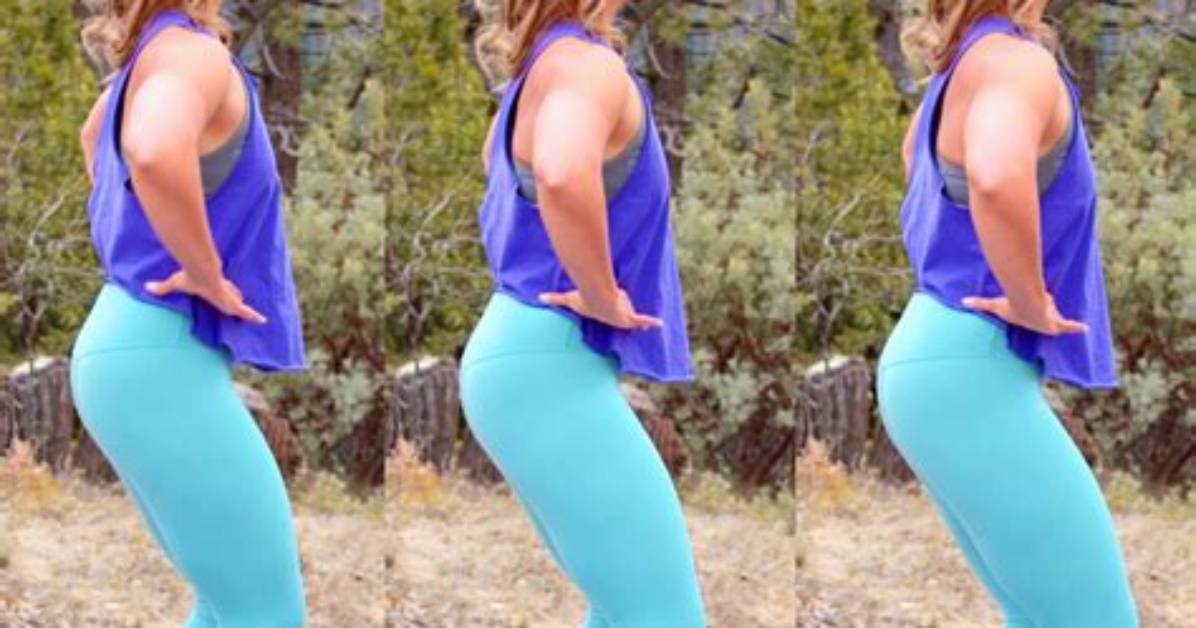
What Are Monster Walks?
Maybe you have seen serious athletes and hardcore fitness fanatics walking side to side like a crab with an elasticated band around their legs while you had been laboring under the notion that treadmills and squats were the only way to build your butt strength. First off, while the name ‘crab walk’ may seem a better-suited title, once you have tried them you will instantly see why they are actually called ‘monster walks’.
There are many virtues to monster walks, also known as band walks, but the main rewards include effectively toning your glutes and hips with only a small, simple piece of kit. They can be performed at home, too, meaning you needn’t splash out on a gym membership if you have specific goals in mind and a limited budget.
How You Do You Monster Walks?
Monster walks, to the average onlooker, are relatively simple looking exercises, but it is the engagement and forced, and the continuous tension of your muscles that make them so monstrous.
To perform monster walks you would commonly use a resistance band, or some form of elasticated binding around your ankles, feet, knees or upper legs, depending on the range of movement and level of resistance you would like to create.
- Standing in an upright position, squat slightly. Again, this is another variable element that will affect the difficulty (and results) of the exercise. For a good place to start, imagine yourself perching on an invisible chair with straight posture and slightly arched back.
- Keep your knees bent and your hands on your hips, or crossed over your chest so that you are not tempted to use your arms to balance or propel yourself.
- Walk with diagonal step, moving ahead and outwards, as opposed to side to side. While there are many arguments for walking with side steps, if you are using monster walks as a part of recovery for knee or hip injuries, this can place an unnatural strain on the sensitive joints, when it is the muscles that you ought to be working.
The secret, as we mentioned, is tension. You can tell that you are doing these effectively as you will feel the continued tension in your muscles and in the elastic band. If the band is slack or not as tight as it could be then the resistance is not great enough to get the most out of this exercise. Similarly, you should feel the same tension (or strain) in your muscles.
Your glutes, hamstrings, hips and outer legs should be feeling the burn at all times. If you are not feeling it in these places that could be because you are not squatting deep enough, that your knees are not bending enough, that your posture is incorrect, or that you are performing the exercise too quickly.
Further tips include looking out for your lower back. As with squats, if you are feeling too much strain on your lower back then you are not engaging your glutes, legs and core as much as you should be.
The slower the better. If you can’t tell whether or not you are performing these too quickly for them to be beneficial, you could try timing each step with a count of three Mississippi and then pause for one second between each step.
You could take these a step further by holding a slightly deeper squat between each step for a count of three, ensuring that you return to the right posture when you continue.
The lower the band is down your legs, ie, around your feet, the more difficult the exercise will be.
Chloe Bennett explores the intersection of pop culture, streaming entertainment, digital trends, and contemporary lifestyle. Her weekly commentary reaches thousands of culture enthusiasts.
