
Orange Cat Behavior: Experts Explain

While All Cats Are Adorable in Their Own Ways, There’s Something Particularly Dynamic About an Orange Cat. the Vividly Colored Fur of an Orange Cat Is Like a...
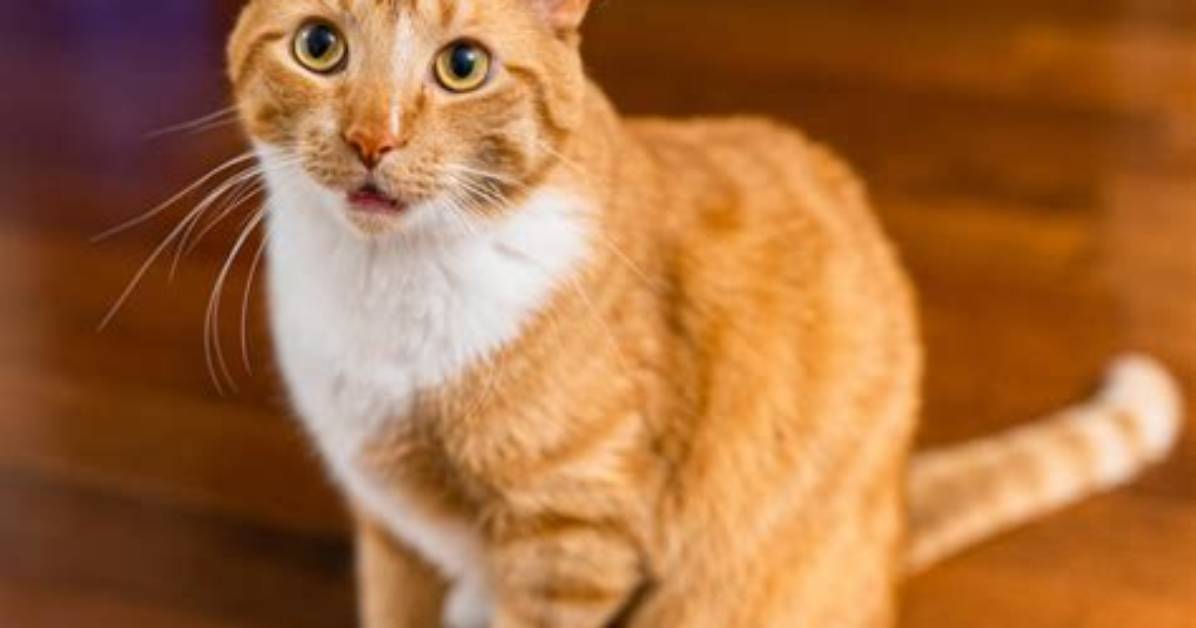
While all cats are adorable in their own ways, there’s something particularly dynamic about an orange cat. The vividly colored fur of an orange cat is like a burst of sunshine, and many orange cat owners report that their feline friends have vibrant personalities to match. It’s no wonder that orange cats — from the lovably lazy comic staple Garfield to the nostalgic cat food spokesman Morris to the brave spaceship cat Jonesy in the sci-fi classic Alien — have long been pop culture icons. More recently, social media has been filled with memes appreciating the distinct silliness of orange cats. So, what, specifically constitutes orange cat behavior? We got the scoop from pet pros.
Orange cats are believed to be fun and friendly
Orange cats are often said to be particularly friendly. “There have been studies that have shown these cats tend to be the friendliest, calmest and easiest to train based on owner feedback,” says Dr. Dwight Alleyne, veterinarian and expert for JustAnswer. He also reports that in his own experience, the orange cats he’s encountered “tend to have a very strong will and sometimes can be quite stubborn,” and notes that some people believe that orange cats are “more likely to engage in risky behaviors.”
Related: Cartoon Cats: Fun Facts About Our Favorite Animated Felines
While studies showing orange cat friendliness are illuminating, they’re meant to be taken with a grain of salt — “based on owner feedback” is the essential phrase here! Such studies are survey-based, which means it’s easy for a cat owner’s confirmation bias to come into play. Many people are drawn to the brightness of an orange coat, and automatically assume it connotes friendliness, and while this is often true, there’s also a sad inverse to be found in how black cats can be overlooked by prospective pet parents due to enduring myths about them signifying bad luck.
Ultimately, orange cat parents are more likely to believe their felines are friendly, but “there’s no science that says a difference in personality actually exists when you start testing actual cats,” says Dr. Mikel Maria Delgado, cat behavior expert for Rover and author of studies on perceptions linked to cat coat colors.
Must Read
Orange cats are not a distinct breed
It’s tempting to think of orange as a breed, but this isn’t actually the case. As Dr. Delgado describes, “Orange is a coat color, not a breed, although several breeds of cats may be orange.” Most shelter cats, orange or otherwise, are classified as Domestic Shorthairs (often known as “the mutts of the cat world“) but purebred cats like Persians, Abyssinians, Maine Coons and Bengals can also be orange.
Related: Why Do Cats Have White Paws? Vets Weigh in on the Fascinating Science of Cat Colors
Orange cats also aren’t 100% orange (confusing, we know!). Orange Domestic Shorthairs are tabbies, which mean they often sport stripes or spots in complementary colors like brown or white.
Marcus Vance is a cybersecurity auditor and technology writer dedicated to educating the public about online safety, data privacy regulations, enterprise security, and emerging cyber threats.
