
Outcomes vs Outputs: What’s the Difference?

If You Have Been Paying Attention to Itil® 4 You Will Almost Certainly Have Noticed the Buzz Around the Terms ‘Outcome’ and ‘Output’. I’ve Had Many...
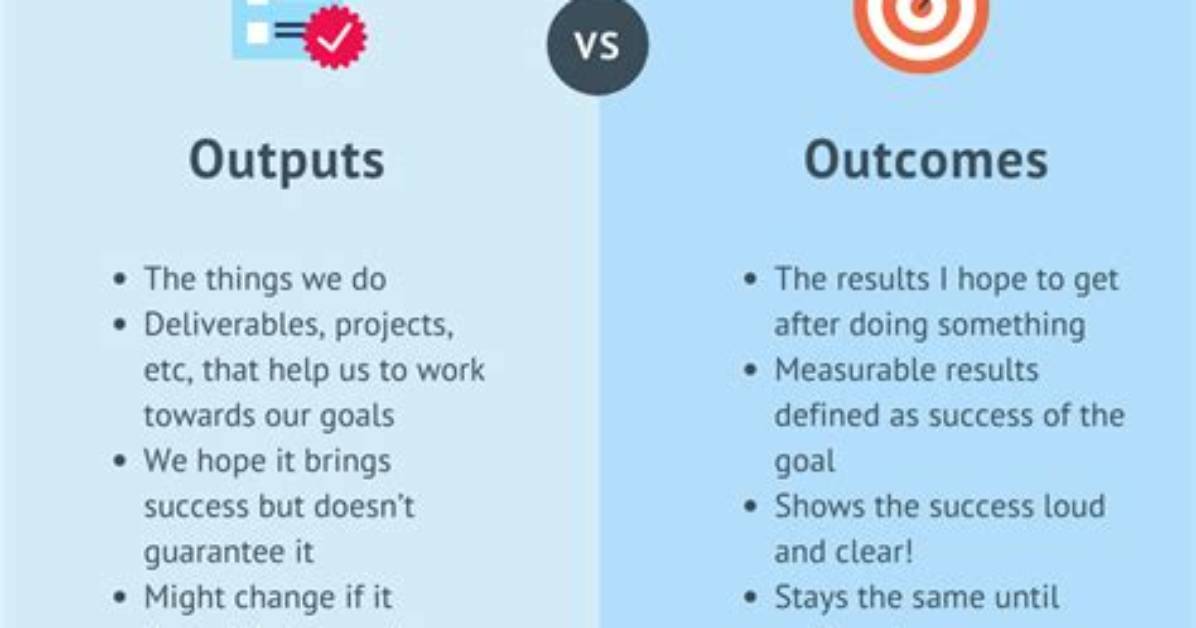
If you have been paying attention to ITIL® 4 you will almost certainly have noticed the buzz around the terms ‘outcome’ and ‘output’. I’ve had many conversations over the past months about the difference in these terms, particularly the huge value companies can realize when they start thinking in terms of business outcomes.
Unfortunately, many people are still using these two terms interchangeably. In this article, we’ll:
- Define the differences between outcomes and outputs
- Give real examples and best practices
- Share helpful resources
Outcomes & outputs: a real-world example
To get the context right, let’s start with a simple, non-IT example. Imagine it is Billy’s 5th birthday. You go to the local bakery and order a Spiderman-themed cake for the morning of the party.
(Source)
If I ask a group of people the outcome of this transaction, most people will answer that the outcome is the birthday cake. That is not correct.
The outcome of this will be a delighted birthday boy and a group of happy, cake-filled 5-year-olds. The cake itself is the output, provided by the bakery. If the cake had not been tasty, or if the bakery had delivered a fairy-themed cake instead of the desired Spiderman, then the desired outcome—happy kids—would, in all probability, not have been achieved.
Defining business outcomes and outputs
Thinking in business terms, here’s how we can define these two terms:
- The outcomes are what the business wants or needs to achieve.
- The outputs are the actions or items that contribute to achieving an outcome.
An easy way to think of this is that outcomes are the results, and outputs are the activities that support the desired results. For example, a business outcome could be ‘increased customer satisfaction’. An output that can help achieve this might be a responsive online ordering system.
If we delve deeper, outcomes are usually the benefit your customers receive from the technology solutions you deliver. To move towards achieving outcomes (results), you must truly understand your customers’ needs. What challenges are they facing? What are the issues, constraints, and priorities that are important to them? Understand what causes them inconvenience, what costs more than it should, what takes more time and effort than necessary.
Armed with this information, you can shift your focus to the outputs (activities) that make positive changes in these areas.
James Sterling reports on renewable energy developments, climate policy, ecological conservation, and green tech innovations around the globe.
