
Quality Assurance (Qa) in Software Testing: Qa Views & Best Practices

Software Quality Can Be Hard to Determine. That’s Because Each Person Involved Can Define Quality Differently. a Range of Perspectives, from Different...
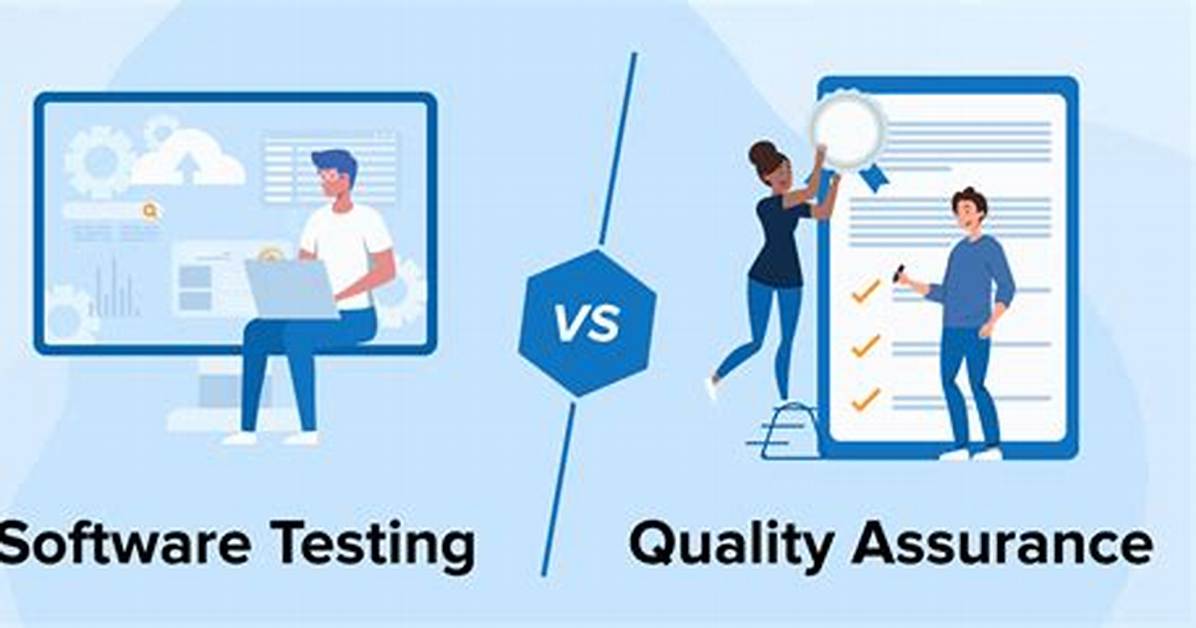
Software quality can be hard to determine. That’s because each person involved can define quality differently. A range of perspectives, from different stakeholders and entities, may measure software quality in terms of how it fits to their own requirements, expectations, and standards.
Quality Assurance (QA) is a common practice to ensure that the end product of any Software Development Lifecycle (SDLC) conforms to the overall and scope-agreed expectations.
In this article, we will discuss the basics of Quality Assurance (QA) and its role in software testing.
What is quality assurance?
To define quality assurance, let’s first start with the definition of quality:
Quality refers to the conformance to implicit or explicit requirements, expectations, and standards.
In order to fulfil these requirements, a quality control mechanism is set up.
Quality Control (QC) is the process through which you achieve, or improve, product quality. The QC process can also include the activities used to eliminate waste processes in the SDLC. QC functions involve a range of testing activities used to detect and resolve technical issues. These are followed together with the development processes over the course of the SDLC.
Quality Assurance (QA) refers to the meta process that ensures continuous and consistent improvement and maintenance of processes that enables a QC job.
(Source)
Must Read
Quality assurance views
In software testing, Quality Assurance goes beyond quality control functions and testing activities in order to evaluate software quality according to a range of views:
- Transcendental view. A notion that we can recognize quality—but cannot measure it.
- User view. How the end-user perceives and experiences software quality.
- Manufacturing view. If the product is developed right the first time and without flaws during the end-to-end SDLC process.
- Product view. How well the internal and inherent characteristics conform to the defined requirements.
- Value-based view. How well the product satisfies the requirements of various stakeholders and entities associated with the product.
These different views are the essential part of any QA process. A software build can conform to all necessary requirements and pass the underlying quality control testing process—but all that does not guarantee a positive business impact or improved user experience.
So, we can define QA as this:
The QA process ensures that the wider goal and vision of the business is achieved by delivering software that meets all quality requirements from both technology and business perspectives.
(Explore common software quality metrics.)
James Sterling reports on renewable energy developments, climate policy, ecological conservation, and green tech innovations around the globe.
