
Samsung Galaxy Note 4 Specs Review

By Now Most of You Will Know That Samsung Has, Right on Schedule, Announced Its New Addition to Its Highly-Successful Note Line. the Galaxy Note 4 Is Every Bit...
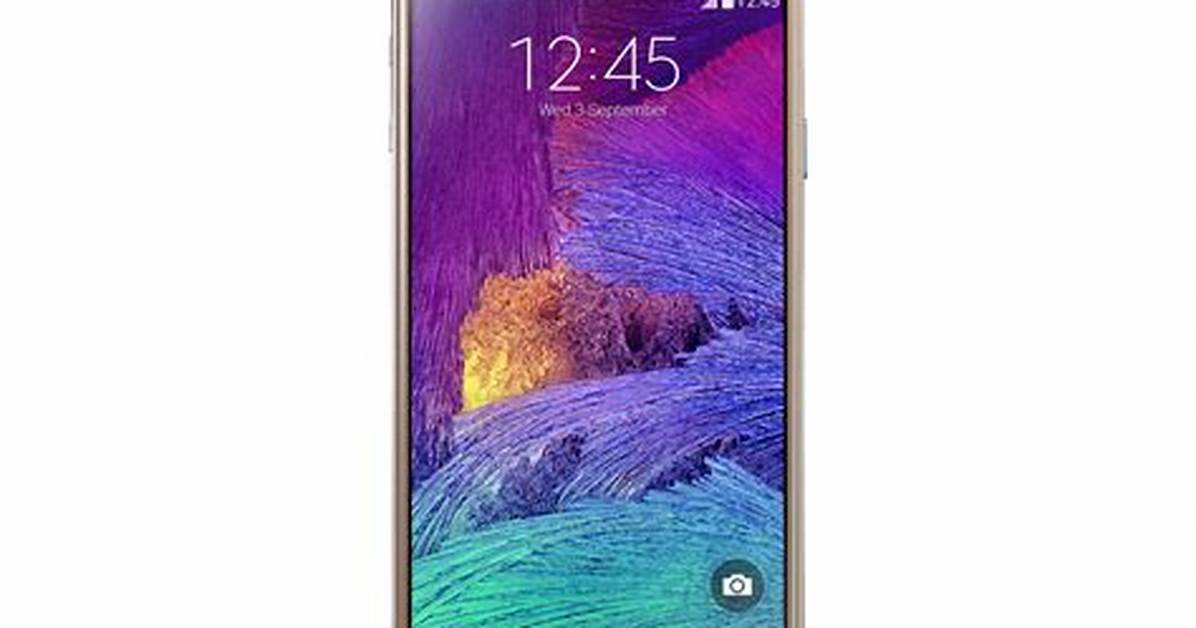
By now most of you will know that Samsung has, right on schedule, announced its new addition to its highly-successful Note line.
The Galaxy Note 4 is every bit the high-end, premium device you'd expect it to be, and improves on the Note 3 formula across the board with a better design, a more detailed screen, a camera with, finally, OIS, and just faster hardware overall. But what changed exactly, and is the upgrade notable? Let's take a look.
Design
Samsung is shaking things up. As the case is with the recently-announced Galaxy Alpha, the Samsung Galaxy Note 4 uses actual metal elements in its construction. In particular, the handset sports a metal frame (with small wedges at the corners to help with impact resistance), which improves its rigidity and gives it a nice, solid feel. The removable back cover of the Note 4, however, is still made of faux-leather plastic sans the stitches, but we prefer it over what the Note 3 had going on. Sure, an all-metal construction would have been fancier, but let us not forget that plastics have a lesser impact on signal reception than metals.
As for color options, the Note 4 will come in hues including Charcoal Black, Frost White, Bronze Gold, and Blossom Pink.
Size-wise, the Samsung Galaxy Note 4 is a relatively large handset but that's pretty much a given with any phone belonging to the Note lineup. The exact dimensions of the handset sit at 6.04 x 3.09 x 0.33 inches / 153.5 x 78.6 x 8.5 mm, and it weighs 6.21 oz. / 172 g. This makes the Note 4 slightly taller and chubbier than the the Note 3, but also less wide. Unfortunately, while most companies are, as of late, pushing the envelope in terms of producing devices that have extremely skinny bezels, the Note 4 is actually a tiny bit less efficient at that than the Note 3, with an approximate screen-to-size ratio of just under 75%. And the extra chubbiness? We likely have the fingerprint scanner to thank for that. Speaking of which...
Must Read
Heart rate monitor and fingerprint scanner
Earlier this year, the Samsung Galaxy S5 became the first phone with a built-in heart rate monitor, and the Samsung Galaxy Note 4 is following in its footsteps. Turn the latter around and you'll see the sensor right next to its camera module. But while we don't mind having one, we don't find much practical use for it either. You see, Samsung's heart rate monitor isn't as precise as a professional instrument would be, and it is not very convenient to use while exercising as the user has to stand very still while measuring their pulse. If you're looking for something to help you with your workout, the heart rate monitor is not it.
Looking at the front, embedded within the physical home button of the Samsung Galaxy Note 4 is a fingerprint scanner. On one hand, it is a handy security feature preventing unauthorized access to your phone and personal stuff. It can also be used with third-party apps, such as PayPal, and services like LastPass. On the other hand, however, the scanner is of the swipe variety – you have to swipe your finger down so that the scanner could read it, and that's hard to do. Not to mention that, even then, you have to deal with its inaccuracies. Of course, having any kind of a fingerprint sensor is better than not having one at all. Furthermore, Samsung did make it clear during its presentation that the sensor has seen improvements, though what those translate to both in specifics and in practice, we'll have to wait and see for ourselves.
Marcus Vance is a cybersecurity auditor and technology writer dedicated to educating the public about online safety, data privacy regulations, enterprise security, and emerging cyber threats.
