
Securing Data Centers & Server Rooms: Goals & Best Practices

Information Security Is a Critical Topic in the Enterprise It Industry, Especially When Mission-Critical Data Is Stored in Cloud Data Centers off-Premises...
Information security is a critical topic in the enterprise IT industry, especially when mission-critical data is stored in cloud data centers off-premises. Indeed, cybercrime is the most pressing concern since 79% of the organizations using cloud computing services have experienced a cloud-related data breach incident according to a recent survey.
However, there’s more to security of the cloud data center than defending against the prevalent cybercrime attack vectors. Physical security of hardware assets is equally critical for secure and dependable operations of a cloud data center.
In this blog, we will discuss what the physical security of a cloud data center entails, the applicable industry standards, and industry-proven best practices to secure your cloud data center resources.
(This article is part of our Data Center Operations Guide. Use the right-hand menu to navigate.)
Security controls for data centers & server rooms
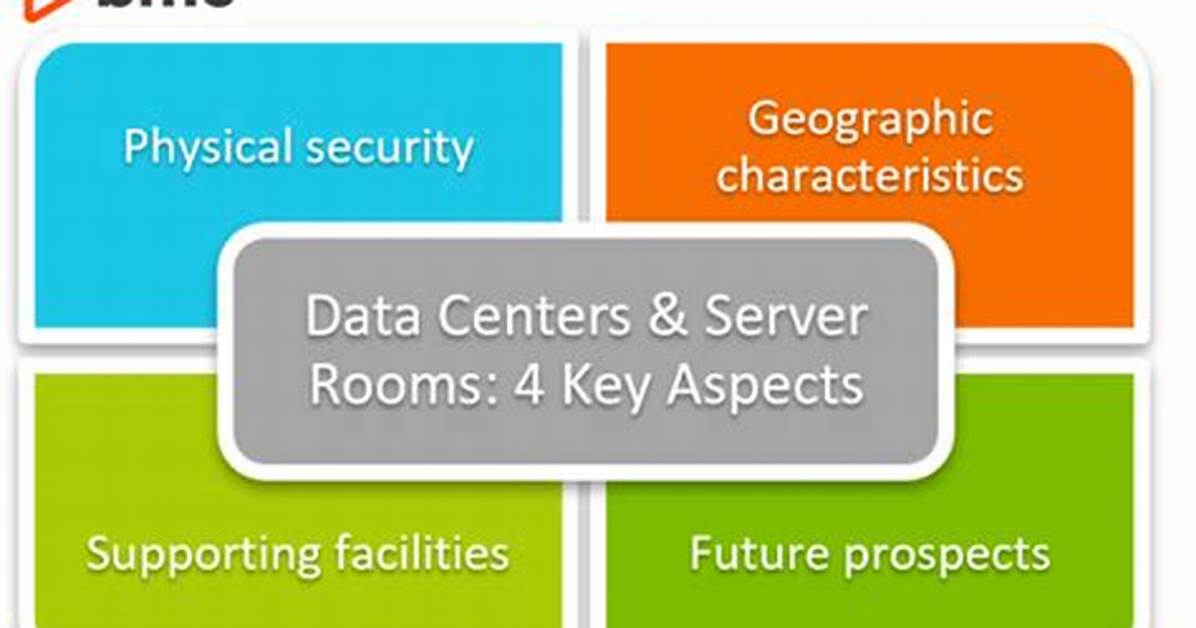
Cloud data center and server room security controls encompass four key aspects of the data center:
- Physical security. The security of static systems that constitute a data center. The building structure, hardware resources, utility services infrastructure, as well as portable and mobile objects that constitute a data center facility are included. The characteristics of these systems determine the security and physical threats facing a data center including fire, unauthorized access, work conditions for the workforce, and dependability.
- Geographic characteristics. The location of a data center determines the natural threats such as earthquakes, flooding, and volcanic eruptions. Additionally, human-responsible threats such as burglary, civil disorders, interruptions, damages, and interceptions are also highly dependent on the location of the data center facility.
- Supporting facilities. Refers to the services necessary for smooth data center operations. These facilities include the infrastructure of utility services such as energy, water, cooling, communication, and air conditioning. Emergency services including firefighting, policing, and emergency healthcare also impact the risk mitigation capacity of a data center.
- Future prospects. Economic, political, geographic, and demographic factors affect how well a location is suitable for data center operations over the long term. The services and facilities available to your server room may suffice for now but does the location offer sufficient capacity, services, and facilities to scale in the future?
Must Read
Securing your server room
The first step to securing a server room is to design one that is fully compliant to the leading industry standards. Organizations such as the National Institute of Standards and Technology (NIST) as well as government regulatory authorities provide guidelines, standards and frameworks that encompass all aspects of server room security: physical, environmental and information security.
Some of the common server room security standards and framework guidelines include:
- ISO 27001
- ISO 20000-1
- SSAE 18 SOC 1 Type II, SOC 2 Type II and SOC 3
- NIST SPs (including SP 800-14, SP 800-23, and SP 800-53)
- Department of Defense (DoD) Information Assurance Technical Framework
Sarah Jenkins is a veteran tech journalist with over 12 years of experience covering artificial intelligence, mobile innovations, and digital ethics. Her insights have appeared in leading technology publications worldwide.
