
Simple but Flawed, Bmi Explained

What Is It? Bmi Was Developed Way Back in the 1800S, and Its Longevity Is Due in Part to Its Simplicity. It's a Way of Measuring Someone’s Body Weight in...
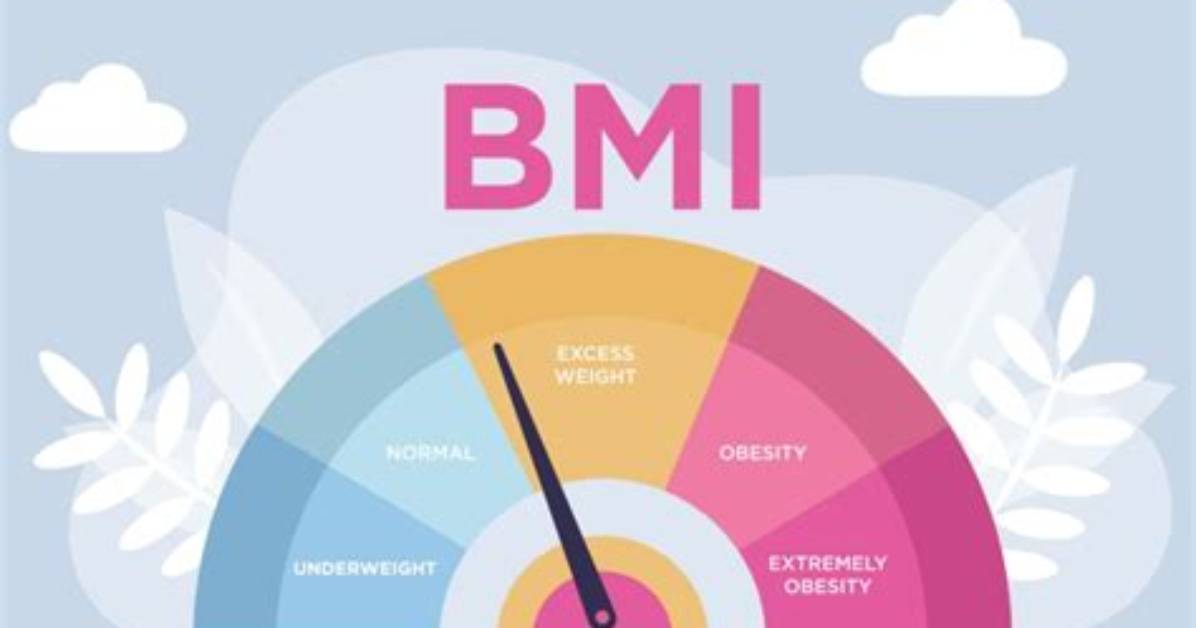
What is it?
BMI was developed way back in the 1800s, and its longevity is due in part to its simplicity. It's a way of measuring someone’s body weight in relation to their height. It's so simple, you can even do it yourself. Take your bodyweight in kilograms and divide it by your height in meters squared. And there you have it.
But like Richie says, BMI by itself is pretty much useless. It doesn’t tell us anything. But fear not, that’s why there’s a full set of categories to group people off based on how far their weight is from the norm for their height.
The World Health Organization (WHO), the big dogs of global health,, have defined the “normal” BMI range to be between 18.5 and 24.9.
| Category | BMI |
| Severely underweight | Below 16.0 |
| Underweight | 16.0-18.5 |
| Normal range | 18.5-24.9 |
| Overweight | 24.9-29.9 |
| Obese class 1 | 30.0-34.9 |
| Obese class 2 | 35.0-39.9 |
| Obese class 3 | Over 40.0 |
Ranges below 18.5 are considered underweight and above 24.9 are considered overweight. Anything over 30 is classified as “obese”, with three separate categories for these ranges.
One issue Richie points out is the naming of these classifications, rather than the classifications themselves. Nobody wants to have their BMI measured and then to be called overweight or obese. So instead of having these names, changing them to something neutral, like numbers, might be more helpful. For example, a normal BMI could be renamed Class 0, underweight Class - 1, and overweight Class + 1, and so on. It’s unlikely the naming system will change any time soon though.
How it’s used
BMI is used to observe health trends in relation to the categories. For example, the further your BMI is from the “normal” range in either direction, the more at risk you are of health problems.
This doesn't mean that you’ll begin experiencing health issues as soon as you cross the threshold into a different BMI category. It just means that the risk is greater. For this reason, BMI can be useful as a quick and easy screening tool in medicine to identify if someone may be at risk of a health condition, although more tests should be carried out after this identification.
Robert Thorne covers electric vehicle innovations, autonomous driving systems, global mobility trends, and automotive engineering developments.
