
Tackle 5 Hardest Hamstring Exercises

Unless You’re a Deadlift Fanatic or You Train Using a Sport-Specific Training Program, Chances Are That Your Hamstrings Are One of the More Neglected Muscle...
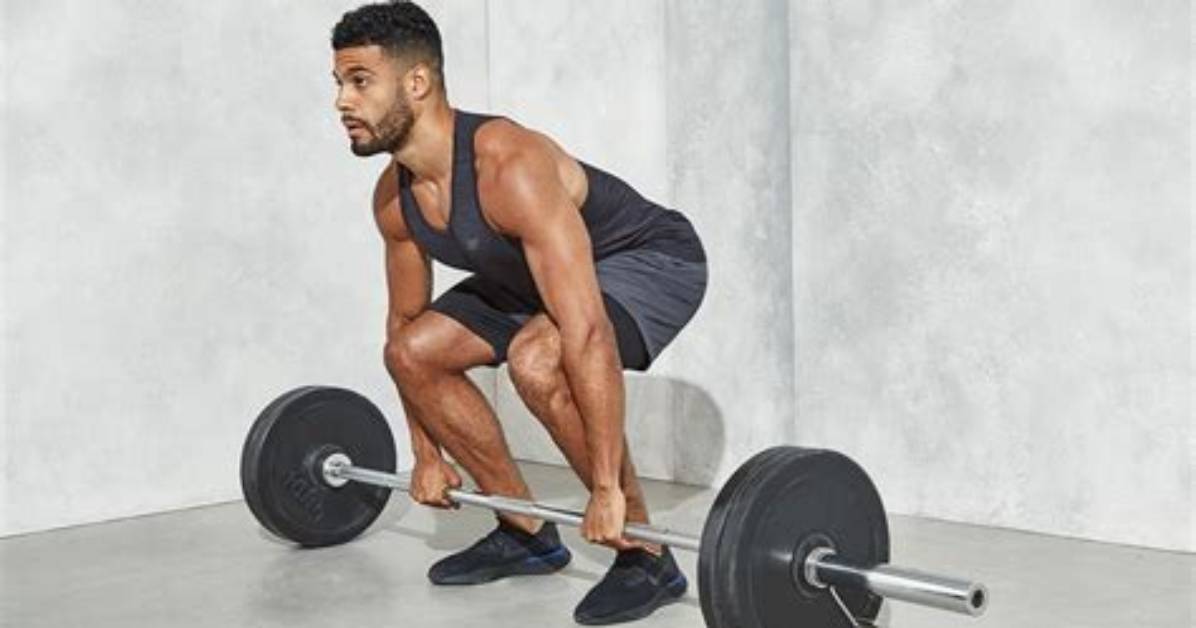
Unless you’re a deadlift fanatic or you train using a sport-specific training program, chances are that your hamstrings are one of the more neglected muscle groups in your body. This may be due to the simple reason that the hamstrings are not as visible as other ‘mirror muscles’, or maybe you don’t feel like you know enough hamstring exercises or the correct way to approach training them.
Nevertheless, poor hamstrings development and imbalanced quadriceps-to-hamstrings strength ratio increase the risk of certain knee injuries that could take you out of training and sport for a long period to recover. Providing your hamstrings with sufficient direct training stimulus will not only help you to achieve a more balanced looking physique but will also significantly improve your sports performance and reduce the risk of certain injuries.
What are your hamstrings?
The hamstrings are a large muscle group on the posterior aspect of your upper leg, below your glutes. They consist of three main muscles;
Semitendinosus – this muscle runs medially (closer to the inside of your leg) from its attachment on the pelvis to the tibia.
Semimembranosus – this muscle also runs medially on the back of the thigh, buried beneath the semitendinosus. It also runs from its attachment on the pelvis to the tibia.
Biceps Femoris (Long Head and Short Head) – the long head of this muscle runs superficially (closer to the skin) to the short head, with its attachment running from the pelvis to the fibula, while the short head runs from its attachment on the femur to the fibula. The biceps femoris is the most lateral (nearest to the outside of the leg) of the hamstrings.
Must Read
Why are your hamstrings important?
The main functions of the hamstrings are knee flexion and hip extension, so it’s important to incorporate both compound and isolation exercises that load these movements to optimally develop the hamstrings.
While it’s not possible to work specific muscles in isolation, research shows that altering your foot placement/angle can influence which muscles in the hamstrings are made to work the hardest, known as ‘preferential activation’. Turning your feet with your toes facing inwards during an exercise such as a hamstring curl will result in preferential activation of the medial hamstrings (semitendinosus and semimembranosus) while turning your feet with your toes facing outwards will result in preferential activation of the biceps femoris.
Due to the large range of motion afforded by the hamstrings, it is also important to strengthen the muscles throughout their full range of movement. This means exercising your hamstrings at different lengths and through their full range.
Elena Rostova holds a Master's degree in Public Health Journalism. She covers groundbreaking medical research, holistic wellness trends, mental health awareness, and nutritional science.
