
The 2020 Gartner Magic Quadrant for Data Quality Solutions

Throughout the Year, It Consulting Firm Gartner Releases Their Research and Findings Regarding a Variety of Market Trends, in the Form of Magic Quadrants...
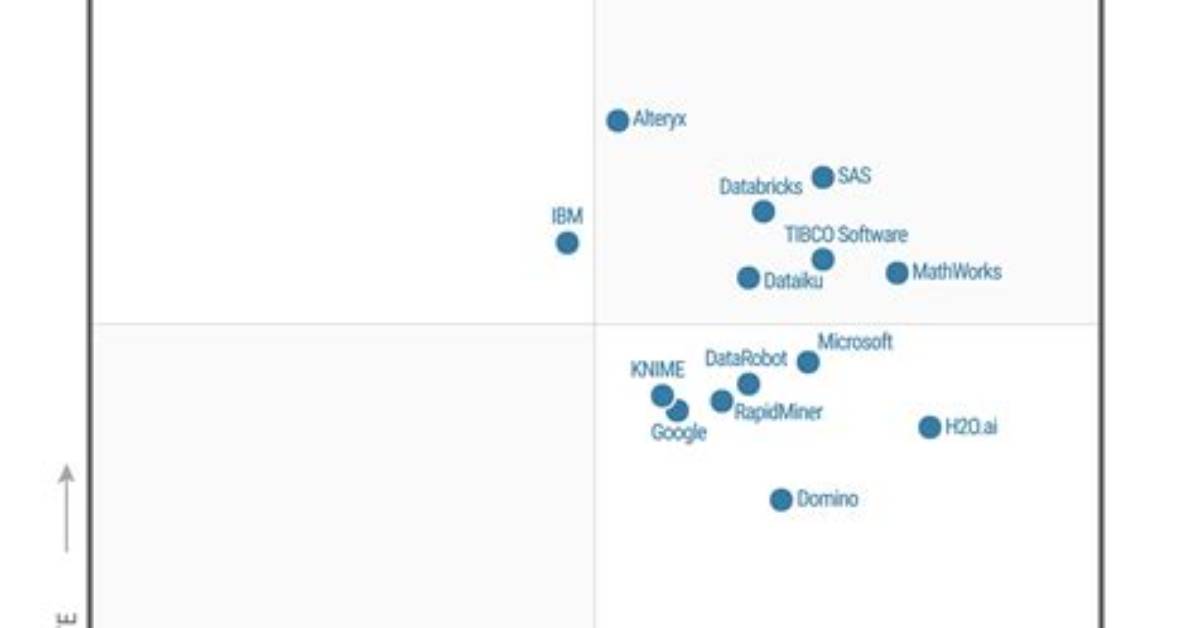
Throughout the year, IT consulting firm Gartner releases their research and findings regarding a variety of market trends, in the form of Magic Quadrants. These reports highlight the top vendors in the field for different categories, along with their strengths and cautions, providing insights to key decision makers.
Just like others Magic Quadrants, the 2020 Gartner Magic Quadrant for Data Quality Solutions has been eagerly anticipated by organizations and clients alike, shedding light on top innovators in the field and what we can anticipate in terms of new solutions in the coming year.
New changes, new name
Given the fast innovation of technologies and expansion in market demands, Gartner changed the name of this Magic Quadrant this year from “Magic Quadrant for Data Quality Tools” to “Magic Quadrant for Data Quality Solutions.”
In previous years, this Magic Quadrant addressed the tools that typically offered effective data management capabilities, but Gartner acknowledged that efficient data quality practices require much more than just tools; companies rely on complete data quality solutions that support a variety of use-cases across different disciplines and industries. With this in mind, the research firm chose to reflect these changes in the vendors involved and criteria required.
Must Read
Market definition of Data Quality Solutions
Gartner defines data quality solutions as “the processes and technologies for identifying, understanding and correcting flaws in data that support effective data and analytics governance across operational business processes and decision making.”
As the market for data quality solutions continues to expand and closely integrate with offerings such as metadata management solutions, data integration tools, and master data management, data quality solutions vendors are being expected to:
- Collaborate more with users and business leaders.
- Help operations run more efficiently.
Some solutions offered by these vendors include parsing, cleansing, profiling, standardization, enrichment, matching, and monitoring.
In order to qualify for inclusion in this quadrant, vendors must:
- Deliver core data quality functions such as matching, business rule creation, parsing, profiling, cleansing, or multidata domain support.
- Provide stand-alone on-premises software solutions that are sold specifically for data quality applications.
- Support multiple data domains across different industries.
- Maintain an installed base of more than 100 production customers for their products.
- Offer large-scale deployment via cloud-based and server-based runtime architectures.
Elena Rostova holds a Master's degree in Public Health Journalism. She covers groundbreaking medical research, holistic wellness trends, mental health awareness, and nutritional science.
