
The Benefits of L-Glutamine & When You Should Be Taking It

L-Glutamine Is Produced by the Body and Available in Everyday Foods, but Is Also a Popular Supplement Due to Its Potential Health and Performance Benefits...
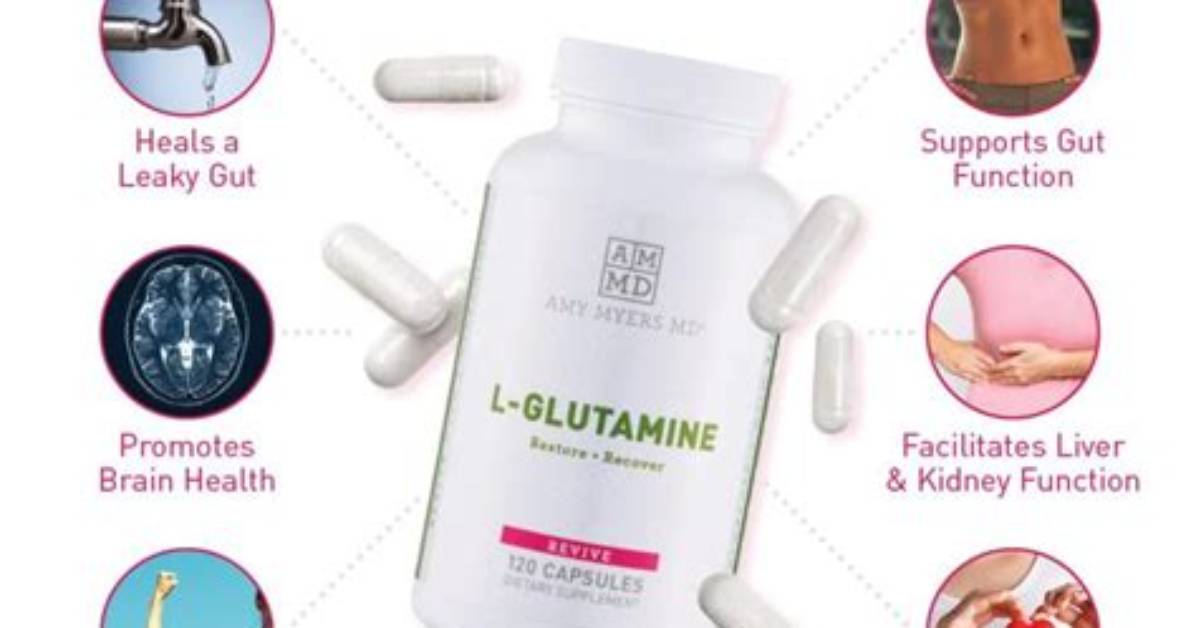
L-Glutamine is produced by the body and available in everyday foods, but is also a popular supplement due to its potential health and performance benefits. Glutamine exists in two different forms, L-glutamine and D-glutamine, which only vary in molecular structure. In this article we’ll be focusing on the specific health benefits and side effects of L-glutamine.
What is L-Glutamine?
L-Glutamine is an amino acid (a building block of protein). Amino acids and proteins play many vital roles in our body. Specifically, glutamine helps with the transport of carbon and nitrogen (used for cell division and growth) in our bodies and plays roles in neural function, intestinal function, and boosting our immune system.
It's made by the body in our muscle tissue and is therefore considered “non-essential”. This means that we don’t have to strictly consume it from our diet. However, when our body is under physical (metabolic) stress, it may require more glutamine than it makes on its own.
This need for additional glutamine, when our body is using it in higher amounts, supports the argument that L-glutamine is actually “conditionally essential” — meaning there are times when it’s necessary to consume more than what our body produces.
It makes sense that making our muscles work hard would demand more L-glutamine — since they’re responsible for creating it in the body. Instances during which our body comes under stress means it requires additional glutamine. These include severe illness and exercise.
The fact that L-glutamine is made by our muscles, is common in our diet, and circulates in our blood makes pinpointing its effects challenging, but it’s clear that it’s used by the body both during exercise and recovery from serious illness.
Food Sources
Dietary sources of L-glutamine include a variety of foods, from animal products like eggs and beef to vegetable sources like rice or corn. Due to this wide availability in food, following a healthy diet can provide adequate L-glutamine for most people. However, during exercise, L-glutamine production changes based on the type and intensity of activity.
Because L-glutamine is crucial for muscle building, increasing our levels via supplementation after exercise can be beneficial. L-glutamine supplementation may have a greater benefit for those who have less protein in their diets, like vegans or vegetarians. This is because they may naturally have less of this amino acid.
Many sports supplements are targeted towards strength training, but L-glutamine has potential benefits for both power exercise and endurance exercise.
Elena Rostova holds a Master's degree in Public Health Journalism. She covers groundbreaking medical research, holistic wellness trends, mental health awareness, and nutritional science.
