
The Benefits of Protein Shakes | More Than Just Muscle

If You’re Getting into Your Fitness, or Are Looking to Conveniently Boost Your Protein Intake, Then You’ve Probably Heard About Protein Shakes. If You’re...
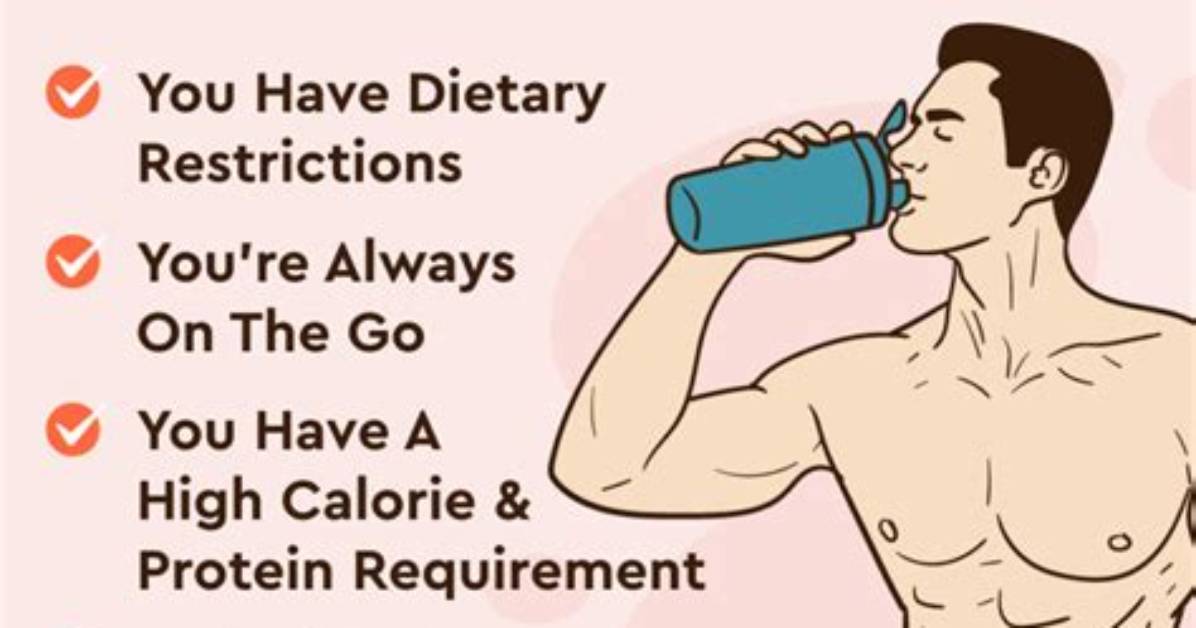
If you’re getting into your fitness, or are looking to conveniently boost your protein intake, then you’ve probably heard about protein shakes.
If you’re looking for info that’s a bit more backed up than the “bro science” you get from your gym buddies, then you’ve come to the right place. Let’s find out more about the benefits of protein shakes.
Protein shakes are made from protein powder, which is a dry, powdered supplement that can be derived from both animal or plant-based protein sources. It can be flavoured or unflavoured, and is most often mixed with water, milk, or another liquid as part of a protein shake or smoothie.
Protein powder can also be used in a variety of other ways - like baking or mixing into oatmeal or cereal.
Some common forms of protein powder are whey, casein (both isolated from cow’s milk), soy, and pea protein.
Protein shakes are a way to supplement, which means to add to, your daily dietary intake of protein.
What Are The Benefits Of Protein Shakes?
Our bodies need protein for many daily tasks — boosting our immune system, sending messages throughout the body, growth and repair of cells and tissues.
However, the benefits of protein powder mostly focus on functional abilities, like adding lean mass, improving muscle recovery, and increasing satiety.
1. Protein shakes can aid muscle growth
The main benefit of protein shakes is the fuel they provide to help build up muscle tissue after weight training (anabolism).
Our muscles are slowly breaking down when we push them to the limit with exercise, and “feeding” them protein helps them to rebuild and become stronger.
Research shows that protein supplements, along with a strength training routine, build and conserve muscle tissue as well as increase strength.
2. Protein can help you to lose weight
The muscle-building power of protein powders can also help those who want to lose weight.
While a calorie deficit is the most important part of losing weight (burning more calories than you eat), making your diet higher in protein can help to preserve your muscle mass and target fat loss.
Additionally, protein slows down the digestive process, which gives you a feeling of being full longer after you eat. This can decrease overeating and help with weight loss.
3. Taking protein before bed can speed up recovery.
We all want to avoid those post-workout DOMS and ensuring you’re getting enough protein can help with that. Protein helps to rebuild muscle after a workout by muscle protein synthesis, so that they’re ready to take on your next workout, and having a hit of protein before bed can improve this.
4. Protein Shakes Can Boost Your Metabolism
Because using protein shakes gives your muscles the fuel they need to build and repair, your body will target fat burning during workouts. Consistent workouts and protein in your diet increases your lean mass, which requires more calories for fuel - and long term, increases your metabolism.
5. Protein Shakes Can Preserve Muscle Mass
Just like protein helps rebuild and repair muscle after a workout, it can help prevent the muscle loss that comes with the aging process. Research shows that older adults who consistently use protein supplements can slow down the loss of muscle tissue, protecting their bones and overall health.
6. Protein Shakes are Convenient
Rather than roasting a whole chicken, or soaking your lentils overnight, how about simply adding powder to water and shaking it up? It’s easy to use at home, at work, or on the go.
Protein powder is a pure source of protein that’s also low in fats and carbs (unlike some other food sources) that you can knock back straight after your workout. It’s never been so easy to boost your nutrients.
Must Read
Types of protein
Whey
Whey is a protein source that comes from the liquid that is leftover when using cow’s milk to make cheese. It is dried and processed to the powdered supplement form.
Based on the level of processing and refining, there are three different types of whey protein powder: concentrate, isolate, and hydrolysed whey. All forms of whey are considered a complete source of protein, containing all of the amino acid building blocks that our bodies need.
Concentrate
Whey concentrate is the most common type of whey protein supplement. It has less protein per gram than the isolate or hydrolysed forms due to less processing.
However, this also makes it a lower price point and still contains between 30-90% protein. It can still contain some carbs in the form of lactose (milk sugar), which may be a concern for those with lactose intolerance.
Whey concentrate can take longer to digest than isolate or hydrolysed forms, giving your muscles a chance to absorb the protein over time.
Isolate
Whey isolate is the next level of processing that refines the protein powder further. It contains upwards of 90% protein, and very little carbs or fat.
Isolate contains little to no lactose making it more easily digestible. You may pay a higher price for the further level of refinement of this type of protein powder.
Hydrolysed
Hydrolysed whey protein takes the longer chains of peptides (protein) and breaks them into small chains of amino acids; the goal is to make this type of protein be absorbed more quickly and easily.
The amino acids are still effective in muscle repair and growth but are often used to limit the potential for allergic reactions to milk (like in baby formulas).
Hydrolysed whey contains between more than 75% protein content with little protein and fat.
James Sterling reports on renewable energy developments, climate policy, ecological conservation, and green tech innovations around the globe.
