
The Difference Between Anxiety and a Stroke

One of the Most Frightening Aspects of Living with Anxiety Attacks Is the Way They Mimic Very Serious Health Problems - Problems That Can Be Deadly If Left...
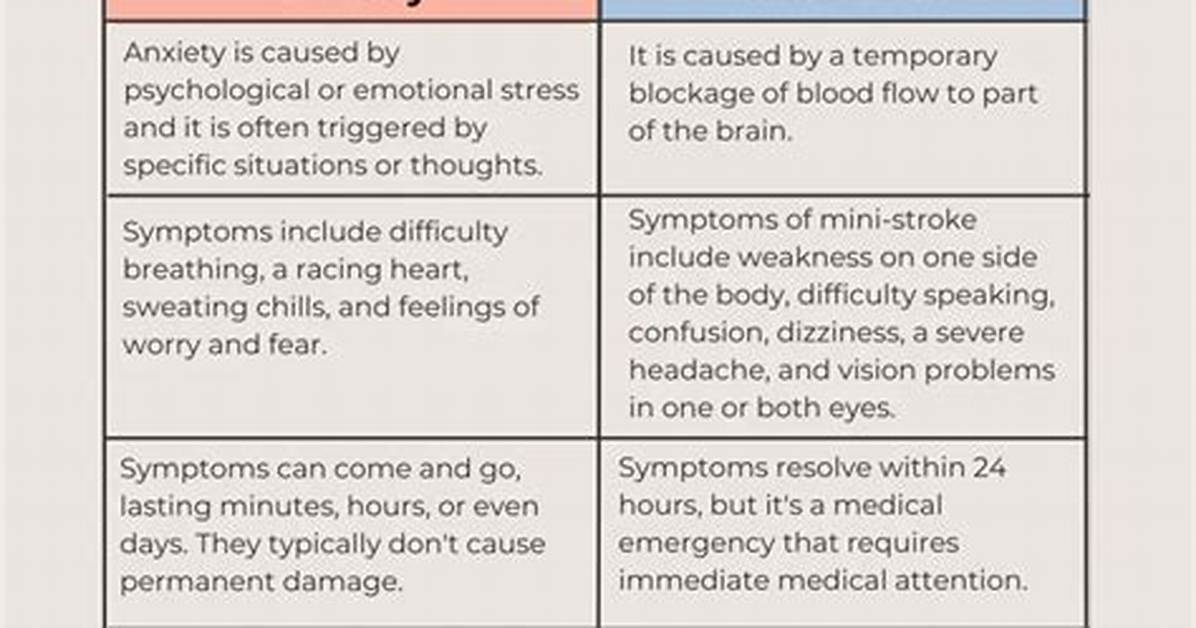
One of the most frightening aspects of living with anxiety attacks is the way they mimic very serious health problems - problems that can be deadly if left untreated. Thousands of people with severe or unexpected panic attacks become hospitalized because the physical symptoms are nearly identical to other serious conditions, despite having a mental health cause. One such condition is a stroke.
For anyone that suffers from one of these attacks, you need to find a way to tell the difference between anxiety and a stroke, and you need to also know how to avoid letting your fear of stroke increase the frequency and severity of your anxiety attack symptoms.
Anxiety is Not Always Mental
The most important thing to understand is that anxiety is not just a problem with the way you think. It also affects the way you feel. It can cause chain reactions that lead to symptoms so pronounced they feel like you are suffering from a stroke.
The key thing to understand is that the symptoms can be so similar that you should still strongly consider seeing a doctor. Only a doctor can provide you with a diagnosis, and when it comes to your health there is nothing you should leave to chance.
But the symptoms of anxiety are very real, and many of them resemble a stroke-like experience, for example:
- Difficulty thinking or formulating thoughts.
- Feeling like limbs or muscles cannot move.
- Blurry vision or dizziness.
- Feeling faint.
- Sudden feeling of doom.
Those are "brain symptoms" that could occur in a stroke. There are also “heart symptoms” (such as chest pains and rapid heartbeat) that may cause someone to feel like they are having a heart attack. Heart attacks and strokes are very different, but moments of pure fear it may feel like they're one in the same.
These symptoms are very scary, especially for those that have never had an anxiety attack before. In some cases for a while after the problem occurs it may feel like the symptoms don't recover right away, leading many to convince themselves they've had a stroke.
Transient Ischemic Attack (Mini-stroke) and Anxiety
Strokes themselves are life threatening and immediate, with symptoms that require immediate medical attention. Generally if you have a full blown stroke, there is no question as to whether it's a stroke or anxiety. Strokes are deadly, sudden dangers, and if you have a full blown stroke, you'll almost certainly know.
The worry is that you may have suffered from a transient ischemic attack, or "mini-stroke." These are strokes that occur instantly, have effects for less than an hour, and then fade. They are often the precursors to a full blown stroke but are less likely to cause significant impairment. They may be confused with an anxiety attack.
Sophia analyzes international trade, startup ecosystems, retail transformation, and supply chain logistics for modern digital publications.
