
The It Skill Gap Explained

Both Employees and Leaders in the It Field Are Familiar with the It Skills Gap. for Digital Enterprises Today, It Not Only Supports the Business – It Often Is...
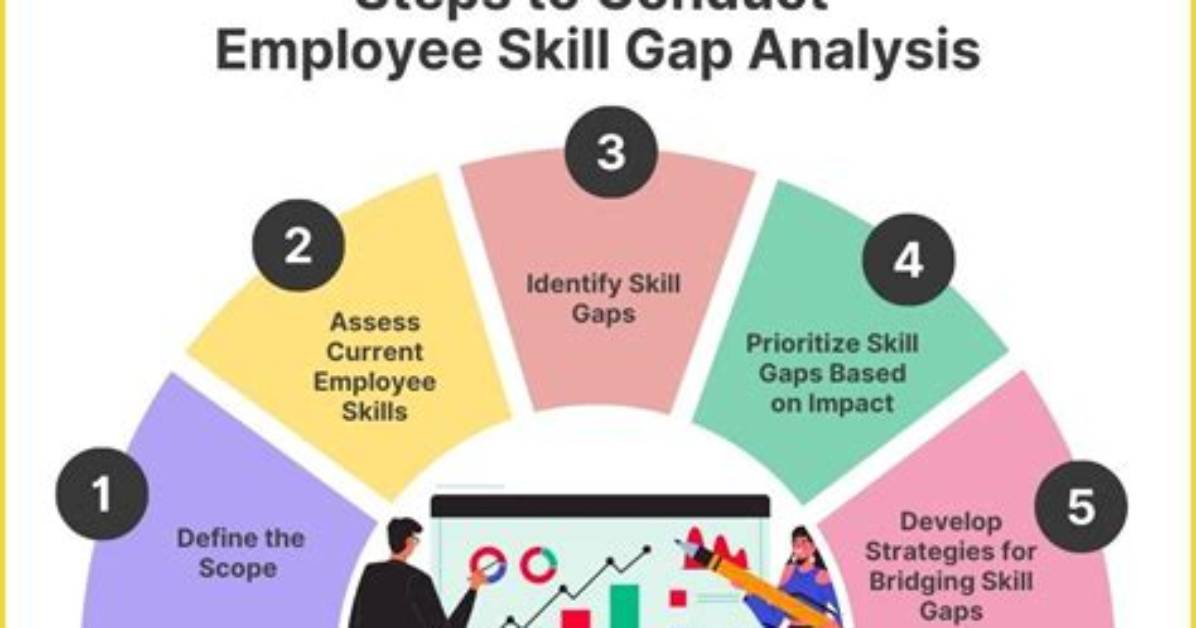
Both employees and leaders in the IT field are familiar with the IT skills gap. For digital enterprises today, IT not only supports the business – it often is the business. The IT skills gap illustrates that companies sometimes have a difficult time finding, hiring, and retaining employees with the IT skills they need, to ensure quality products.
Industry experts are split. Some argue that the IT skills gap doesn’t exist (in the United States, at least). More experts, however, argue that the gap exists, though to varying degrees. Either way, the biggest concern is how companies address these current issues in the short-term to ensure that they don’t grow into larger issues down the road.
In this article, we’re examining the IT skills gap – how it exists today and what we can do to improve the situation.
Defining Skills Gaps and IT Skills
Forbes defines a skills gap as the difference between what companies need or want their employees to do and what employees are actually able to do. A skills gap can apply to any skills area: hard skills like sales, business, finance, and IT, as well as soft skills like interpersonal communication and time management.
When we talk about the IT skills gap, needed skills vary widely based on different companies’ needs as well as the needs of specific jobs within one company.
Must Read
The State of Skills Gap in 2019
A 2017 Forbes report on IT service management says that C-level executive report a lack of IT skills as the biggest issue in aligning IT with business services. Many CIOs report that the IT skills gap applies to employees and candidates within the higher echelon of their IT teams. Leaders are able to staff and retain help desk and entry- and mid-level programmers, but as technology silos narrow down evermore into special areas, companies say it’s harder to find enough people with the precise qualifications needed.
In 2019, the IT skills gap continues to expand with rising demand and inadequate supply. According to a World Economic Forum report, 133 million new roles may emerge globally by the year 2022. The primary growth drivers include the proliferation of Artificial Intelligence and Machine Learning technologies. Despite the advancement of technology, organizations will continue to rely on the human workforce for creative problem solving. Intelligent computing systems are expected to complement the human workforce and not entirely replace them, which in turn requires organizations to re-skill their workforce to take advantage of the technology advancements.
According to another research survey conducted across over 1000 business executives in the US, organizations are struggling recruit the right candidate due to the skills gap and the education system is not doing enough to address the cause. The research finds that 75% of organizations believe that the skills shortage among applicants is the primary cause for the difficulty in hiring. 51% believe that the education system is doing little or nothing to solve the problem.
Elena Rostova holds a Master's degree in Public Health Journalism. She covers groundbreaking medical research, holistic wellness trends, mental health awareness, and nutritional science.
