
Today’s Top Trends in Software Development

Software Development Is Constantly Evolving, Thanks to a Variety of Changes and Improvements in the Software Development Lifecycle (Sdlc), Such as: the...
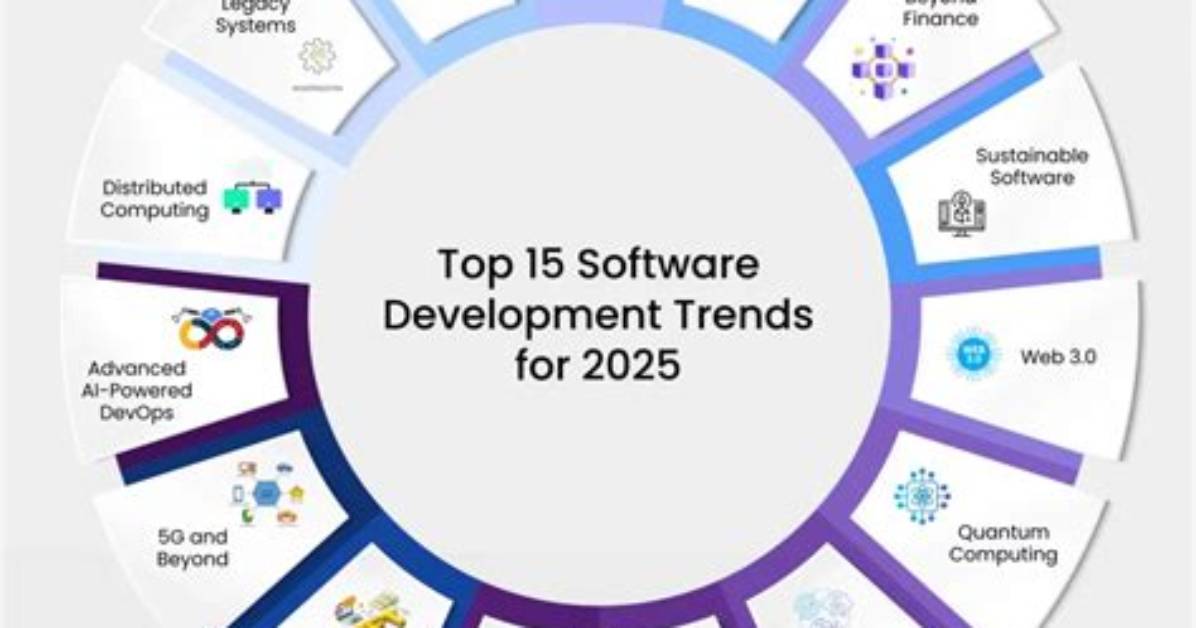
Software development is constantly evolving, thanks to a variety of changes and improvements in the software development lifecycle (SDLC), such as:
- The constantly changing technological landscape
- New consumer and business demands
- Market trends
A technology that is prominent today may quickly become obsolete. If we look at the current software development process, many significant trends are changing how we develop, deploy, and manage software and the platforms to develop for.
In this post, let’s discuss some trends in software development that will have a high impact on the broad IT industry.
Low-code & no-code software development
This concept might seem contradictory: after all, coding is the basis of software development.
However, software development is increasingly complex, and the need to deliver software faster never slows. This has put software development teams under constant pressure and made new talent reluctant to enter such high-pressure environments.
Exactly for these reasons have low-code and no-code products quickly gained popularity across the software development field.
Importantly, low-code and no-code tools and platforms will never replace actual coding in software development—someone needs to develop them. But more people are getting on board with the benefits they bring:
Low-code and no-code options can be utilized to complement software development pipelines by allowing users to develop, deploy, and manage some parts of software solutions and delivery pipelines. Another advantage? Lowering the barrier to enter the software development field and helping to attract new talent.
Must Read
Big data security
Big data and data science have become the norm in the IT industry, with data the cornerstone of any business.
Software development has evolved to cater to big data needs from collecting, storing, and analyzing data. With the increased scrutiny on big data by users, regulatory bodies, and governments, securing all this collected data has become the number one priority for any organization.
This need, in turn, has led to integrating security as a fundamental component. It requires integrating security particles from the beginning of the development in any software that interacts with data. With the rise of the “data as a service” platform and continuous internet threats, big data security will become the next major trend.
Marcus Vance is a cybersecurity auditor and technology writer dedicated to educating the public about online safety, data privacy regulations, enterprise security, and emerging cyber threats.
