
Top 10: David V. Goliath Battles

History Is Littered with Epic Battles Between Various Kingdoms, Invaders and Opposing Forces. Traditionally, the Better-Equipped Army Has Dominated Their...
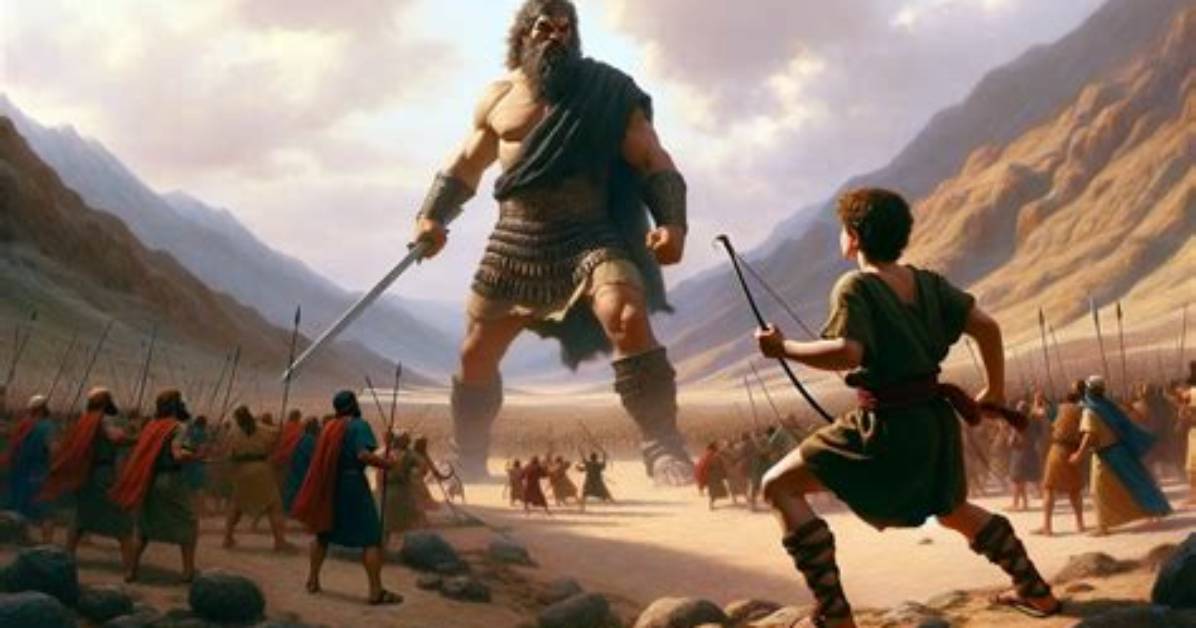
History is littered with epic battles between various kingdoms, invaders and opposing forces. Traditionally, the better-equipped army has dominated their opponents, but on occasion, incredibly one-sided battles have been won by the underdogs thanks to some ingenious strategies. We've compiled ten of the most impressive David vs. Goliath battles ever waged.
The Battle Of Thermopylae (480 B.C.)
Probably the best-known example of a David vs. Goliath battle in history, the Battle of Thermopylae, is often better known as the Battle of the 300. This battle took place during the second Persian invasion of Greece, and occurred at the same time as a major naval battle at Artemisium. The forces mustered by the Persian Emperor Xerxes staggeringly outnumbered the Greeks and they knew it. Their best hope was based off of a strategy devised by Athenian General Themistocles, who suggested the Greeks block off the Persian advance by land at the narrow pass of Thermopylae, and by sea at the Straits of Artemisium.Estimates of the forces involved vary wildly, with the Greek historian Herodotus claiming the Greeks numbered just over 5,000 strong whilst Xerxes forces boggled the mind at two and half million troops. More recent historical estimates have toned down those staggering figures quite a bit. Xerxes is likely to have had around at most 300,000 men and the combined Greek force would have numbered around 20,000. Still a gargantuan difference!
Despite being grossly outnumbered the Greek forces managed to hold off Xerxes for seven days, including three full days of battle. The Spartan King Leonidas led a group of 300 fearless Spartan soldiers, the best of the best in the ancient world, who were trained to be soldiers from birth. They singlehandedly held the only road by which Xerxes could bring his army into the Greek mainland. The Greeks held their ground for two full days of battle before a local, Ephialtes, approached Xerxes’ camp and informed them of a path through the mountains that would bypass the Greek defensive position.
On the third day, the Persian forces maneuvered along the path in an attempt to outflank the Greeks. King Leonidas upon becoming aware of this threat immediately convened a war council where he insisted the majority of the Greek forces retreat and regroup for a later stand whilst he would personally lead the final rear guard cover along with his Spartan warriors.
The Spartans took up their position on the narrow pass once again; this time joined by 700 Thespians, 400 Thebans and a few hundred of the Spartan helots. The Persians meanwhile sent waves of 10,000 men against the Spartan shield wall. The Spartans fought back each wave, time and time again. Eventually their spears broke from the continual onslaught. They quickly switched to their short swords, and once those broke, they fought back with their bare hands and teeth. The Spartan forces fought practically to the last man. King Leonidas himself fell at the hands of Persian archers. But the Spartan sacrifice delayed the Persian horde enough to allow the remaining Greek forces time to retreat without suffering further casualties, regroup and reinforce for the next battle.
Following the Battle of Thermopylae, Greek land and naval forces pulled back from their previous positions and evacuated Athens. The retreat was however a tactical one, and eventually the Greeks landed a few decisive victories against Xerxes’ forces – primarily at the Battle of Plataea in 479 B.C. and at the naval Battle of Salamis the following year. These battles ultimately served to put an end to Xerxes’ invasion of Greece.
Finally, the heroic Spartan defense has been used throughout history as a patriotic rallying cry and great example of what a vastly outnumbered force can accomplish when using their training, equipment, terrain and courage to their advantage.
David Miller brings 15 years of experience in global economics, personal finance strategy, and market dynamics. He specializes in turning complex economic trends into actionable insights for everyday readers.
