
Trading Call Options for Dummies: Call Options Explained

If You Want to Become an Options Trader, You Must Understand Call Options! What Is a Call? Call Options Give the Buyer the Right to Purchase 100 Shares of...
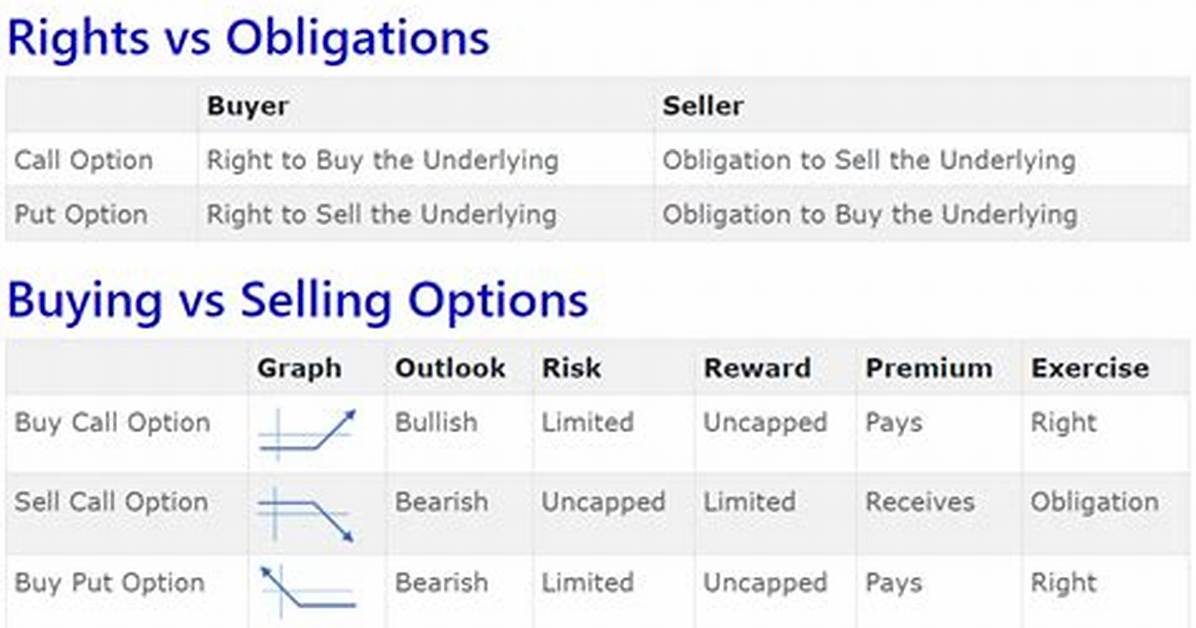
If you want to become an options trader, you must understand call options!
What is a call?
Call options give the buyer the right to purchase 100 shares of stock at a specific price. The price that is agreed upon is known as the strike price. As an options trader, you can use calls to leverage your portfolio.
Unlike shares of stock, options contracts eventually expire on their expiration date. If the strike price of your call is below the price of the stock at expiration, the option will expire worthless. However, it is cheaper to purchase a call option than 100 shares of stock.
* Call options for dummies: example trade
Let’s say stock XYZ is trading at $100 per share, and you expect it to rise to $120 per share in the next month.
You can either buy 100 shares of stock at $100 per share or a $100 strike call option. 100 shares of stock would cost you $10,000 (100*100). A $100 strike call option will cost you about $500 with an expiration date of 3 months.
The price to purchase a call option is much cheaper than the price to purchase 100 shares of stock. In addition, it’s cheaper to buy the call because it has an expiration date and allows you to use leverage.
Scenario 1: The stock rises to $120 in one month
If you are right and the stock price increases to $120 in a month, you will be making good money. Let’s compare how the shares did when compared to the call option.
If the strike price of your call is $100, and the stock is currently trading at $120, the option has $20 of intrinsic value (120–100). Since options have a multiplier of 100, the value of the contract would be at least $2,000 (100*20).
The call option you purchased for $500 increased to a minimum of $2,000, providing a return of $1,500 or 300% [(2,000–500)/500=3].
If you purchased 100 shares for $10,000, you would be able to sell them for $12,000, providing you with a return of $2,000 or 20%.
Scenario 2: The stock falls to $80 in one month
If you are wrong, you will lose money on both the call option and the shares. The main difference is that you can continue holding the shares forever while the call option can expire worthless.
The $100 strike call you bought will lose much of its value since the stock moved from $100 to $80 per share. Determining option pricing is complex, but the call likely lost over 50% of its value and is trading around $1-$2 ($100-$200). In this case, you will probably lose about -$300 to -$400 or over 50% of your investment.
The shares you purchased for $10,000 are now worth $8,000, resulting in a loss of -$2,000 or -20%. Luckily, the shares do not expire, so you can hold them until they recover. However, the stock does not have to recover and can even go to $0.
Options trading for dummies
Options trading for dummies is possible as various strategies are easy to implement. If you sell options in a stock portfolio, you rarely have to check on them or manage the position.
Discover the difference between buying and selling call options below and why selling options for dummies is easily attainable. Buying options contracts can work, but it is riskier than an option selling strategy.
Chloe Bennett explores the intersection of pop culture, streaming entertainment, digital trends, and contemporary lifestyle. Her weekly commentary reaches thousands of culture enthusiasts.
