
Two Weeks’ Notice Letter

Writing a Two Weeks’ Notice Letter Can Be a Challenge. Use Our Free Two Weeks’ Notice Letter Template to Make Drafting Your Letter Easy or Fill in Your Details...
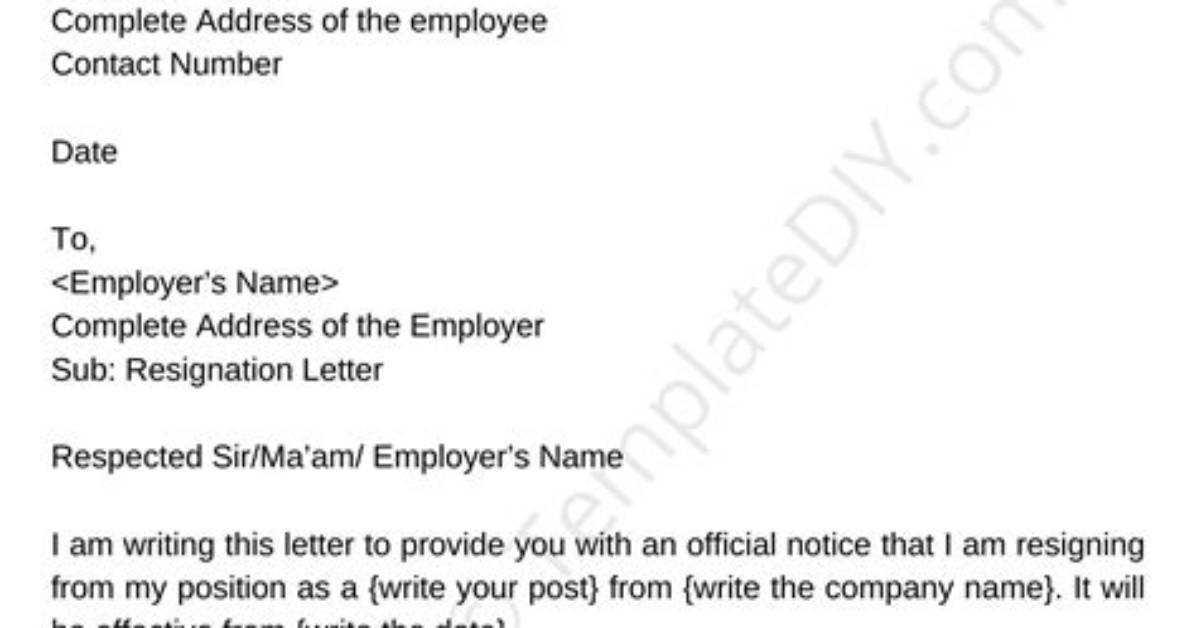
Writing a two weeks’ notice letter can be a challenge. Use our free two weeks’ notice letter template to make drafting your letter easy or fill in your details and we’ll create a free ready-to-send letter for you!
With our free online notice letter generator, all you need to do is fill in your details and your signed letter will be created and ready to send.
If you’re ready to resign from your job, it’s courteous to write a two weeks’ notice letter to your employer.
No matter the reason for your departure, two weeks’ notice gives an employer ample time to formulate plans to cover your absence. For instance, an employer may need time to reassign their duties to other employees or hire someone new to fill the position.
Letter Generator
Click on the button below, fill in your details and your letter will be created for you free of charge and on your letterhead!
Must Read
How to Write Two Weeks’ Notice Letter
That said, here is a detailed guide on how to write a good two weeks’ notice letter.
Express your intentions clearly
Resignations are normal in the corporate environment. Your bosses have probably seen many employees come and go and won’t be shocked when you leave too. So, when writing your two weeks notice letter, don’t beat around the bush. State that you’re resigning from your position and include your final day at the company. Don’t give any indications that you can stay longer should your employer ask you to. If you’ve made the decision, stick to it.
Keep it short and simple
The two weeks notice letter is an official one and thus should be simple and concise. You don’t necessarily need to include your reasons for leaving, how you feel about it, and the next steps in your career. If you feel the urge to share your reasons with your employer, you can organize a meeting and tell them in person.
Maintain professionalism
During your tenure, you might have had a cordial relationship with your boss. However, that doesn’t extend to professional matters. You have to keep your two weeks’ notice letter formal and use respectful language from the beginning to the end. Don’t add funny anecdotes or anything that’ll make the letter appear casual.
Be positive
Even if you feel you weren’t appreciated or you’re not in good terms with your boss or coworker, don’t share any negative feelings. Regardless of what you went through, your letter isn’t the correct platform to express your grievances. Reflect on the best moments you had and leave the company on a good footing. You don’t know if you may be required to work together again someday.
Elena Rostova holds a Master's degree in Public Health Journalism. She covers groundbreaking medical research, holistic wellness trends, mental health awareness, and nutritional science.
