
Types of Attachment Styles & How They Affect Your Self-Esteem & Confidence at Work

By Brittany Christopoulosmost of Us Often Find Ourselves Acting out in Irrational Behavior for No Reason. “What Do You Mean I’m Saying ‘Yes’ When I Should Be...
Most of us often find ourselves acting out in irrational behavior for no reason.
“What do you mean I’m saying ‘yes’ when I should be saying ‘no’?” “I don’t think this report is good enough, I’m going to work harder to achieve my own goal.”
It’s like the urge to do the opposite of what normally would drive us at time,s and is uncontrollable to stop.
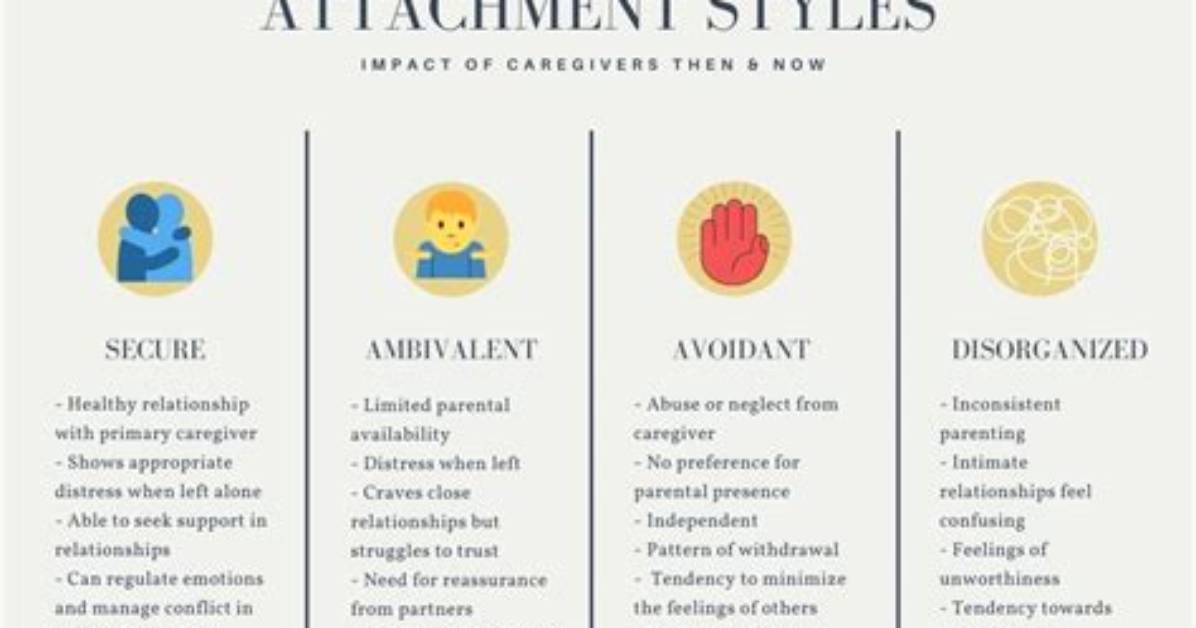
The reason for this semi-frustrating mental takeover is your “attachment style”.
It dictates how you relate to other people, what triggers stress and how you act upon those factors.
So when a situation arises, your relationship with the other person may cause you to act differently compared to the traditional you.
Romantic partners, children, parents, and even co-workers can trigger these behaviors.
But how do you identify your own specific attachment style?
I’ve broken it down for you based on the writings of time management coach, Elizabeth Grace Saunders.
Anxious Preoccupied Attachment
To sum this style up, it’s primarily a fear of upsetting others.
It’s entirely driven by fear or even doubt.
Your anxious brain automatically jumps to negative conclusions, and you become focused on them until they are resolved.
A good way to determine that this style is the one you have is to notice that you have two time management struggles.
One is that you feel your attention is taken from you when your success is perceived as a threat.
The second one is that you constantly feel a negative bias.
For example, compulsively checking emails to make sure everything is okay or feeling that every time you make a mistake you will be penalized for it even when it isn’t your fault.
Must Read
Fearful Avoidant Attachment
There is only one word to best describe someone with this form of attachment – “stuck.”
They have fear yet don’t have the confidence that they can make things right.
It’s as if they don’t trust their own position or the system and are almost doubtful of their day-to-day work.
They also avoid a lot of responsibilities, get distracted and push it aside out of fear to complete the project.
If you spend most of your time at work being overwhelmed and feeling like you have no power to face your fears, this is probably you.
Marcus Vance is a cybersecurity auditor and technology writer dedicated to educating the public about online safety, data privacy regulations, enterprise security, and emerging cyber threats.
