
"Us Eastern Standard Time" vs "Eastern Standard Time" In. Net

In Listing All the Id Properties of the Timezoneinfos Returned by Timezoneinfo. Getsystemtimezones, Two Versions of Est Appear: Us Eastern Standard Time and...
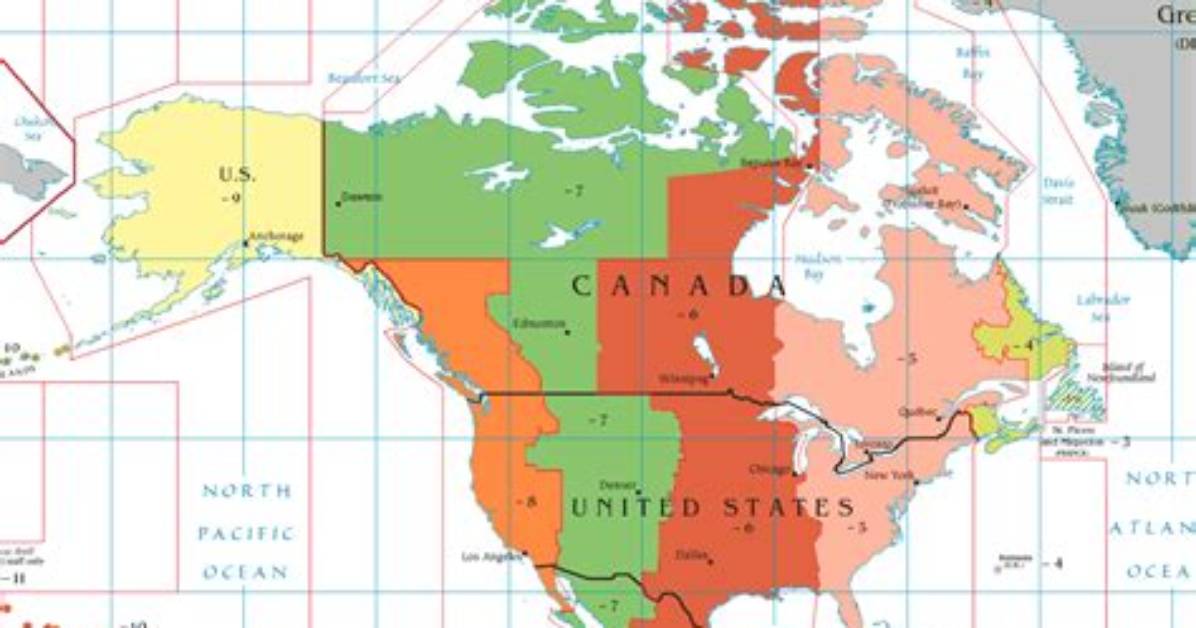
In listing all the Id properties of the TimeZoneInfos returned by TimeZoneInfo.GetSystemTimeZones, two versions of EST appear: US Eastern Standard Time and Eastern Standard Time. What's the difference?
I also see both US Mountain Standard Time and Mountain Standard Time, but I'm pretty sure that's because the US version is for Arizona, which doesn't observe DST. I'd assume the regular Mountain Standard Time applies for the rest of the US states in the Mountain time zone. Am I correct?
Helpful link on US time zones:
2 Answers
"US Eastern Standard Time" refers to the timezone for the majority of Indiana, which did not observe Daylight Saving Time before 2007. Similarly, "Canada Central Standard Time" is used for Saskatchewan, and "US Mountain Standard Time" for Arizona, which still do not observe DST.
The time zone IDs are assigned in a somewhat illogical way. The "No DST" version mentioned for e.g. the Cayman Islands is called "SA Pacific Standard Time" (SA = South America, and if you look at a timezone map you will see that the -05:00 offset applies to Colombia, Ecuador, and Peru on the west coast of South America)
For another example of timezone IDs "Greenwich Standard Time" which refers to the time zone used in Iceland, which is UTC+00:00 year-round with no DST, whereas "GMT Standard Time" refers to the British timezone which does have DST.
Each time zone corresponds to one of the menu items that you can select from the timezone control panel. This MSDN page shows the correspondence between the text in the menu and the actual timezone ID:
010  Mountain Standard Time         (GMT-07:00) Mountain Time (US and Canada)
013  Mexico Standard Time 2         (GMT-07:00) Chihuahua, La Paz, Mazatlan
015  U.S. Mountain Standard Time    (GMT-07:00) Arizona
020  Central Standard Time          (GMT-06:00) Central Time (US and Canada)
025  Canada Central Standard Time   (GMT-06:00) Saskatchewan
030  Mexico Standard Time           (GMT-06:00) Guadalajara, Mexico City, Monterrey
033  Central America Standard Time  (GMT-06:00) Central America
035  Eastern Standard Time          (GMT-05:00) Eastern Time (US and Canada)
040  U.S. Eastern Standard Time     (GMT-05:00) Indiana (East)
045  S.A. Pacific Standard Time     (GMT-05:00) Bogota, Lima, Quito
085  GMT Standard Time              (GMT) Greenwich Mean Time: Dublin, Edinburgh, Lisbon, London
090  Greenwich Standard Time        (GMT) Casablanca, Monrovia
The Display Names of those timezones helps explain the confusion
| Timezone name | Display name | Observes DST | Offset from UTC in the summer |
|---|---|---|---|
| Eastern Standard Time | (UTC-05:00) Eastern Time (US & Canada) | Yes | -04:00 |
| US Eastern Standard Time | (UTC-05:00) Indiana (East) | Yes | -04:00 |
| Eastern Standard Time (Mexico) | (UTC-05:00) Chetumal | No | -05:00 |
| Mountain Standard Time | (UTC-07:00) Mountain Time (US & Canada) | Yes | -06:00 |
| US Mountain Standard Time | (UTC-07:00) Arizona | No | -07:00 |
| Mountain Standard Time (Mexico) | (UTC-07:00) Chihuahua, La Paz, Mazatlan | Yes | -06:00 |
- "US Eastern Standard Time" was only for (parts) of Indiana (up until the Energy Policy Act of 2005, which changes the timezones in in Indiana in 2007). Today it is identical to "Eastern Standard Time"
- "US Mountain Standard Time" doesn't observe daylight savings, while the rest of "Mountain Standard Time" does.
David Miller brings 15 years of experience in global economics, personal finance strategy, and market dynamics. He specializes in turning complex economic trends into actionable insights for everyday readers.
