
Virtual Desktop Infrastructure (Vdi): a Brief Intro

As Opposed to Running an Operating System (Os) on Every Physical Desktop Computer in an Office, a Virtual Desktop Infrastructure (Vdi) Is a Data Center...
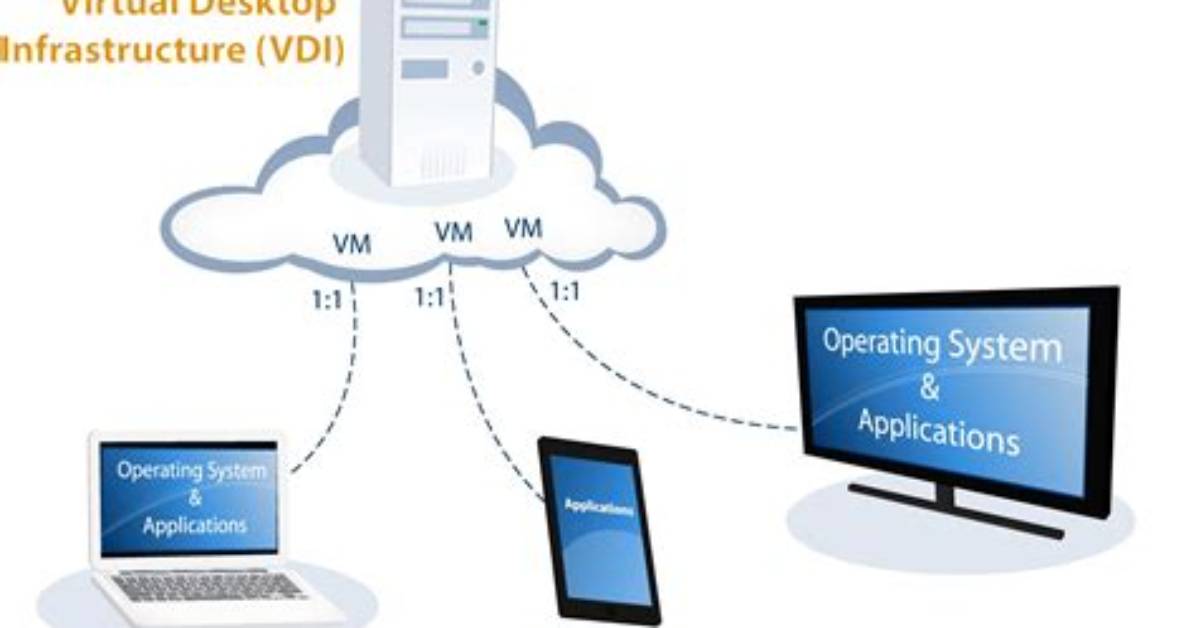
As opposed to running an operating system (OS) on every physical desktop computer in an office, a virtual desktop infrastructure (VDI) is a data center technology centralizing many desktop environments onto one server. The virtual desktop within the VDI lives on virtual machines (VMs) on this server, and the VMs deliver the desktop images to endpoints such as PCs, tablets, or other devices over a network.
A user accessing a VDI solution from such an endpoint can manage the OS as well as the associated data and applications as if they were using a local desktop, but without the need for specific hardware. When they sign off, the VDI can save all of their data for the next time the user returns on any device. Alternatively, the VDI can change to a random desktop for the next user if saving is not necessary.
VDI with host-based VMs provides an alternative to other types of virtual desktop delivery, such as local desktop virtualization and hosted shared solutions. It also no longer comes with the extremely high price tag once associated with it due to the rise of hyperconverged infrastructure (HCI) solutions. The scalability provided by HCI means VDI can provide various benefits and convenient solutions for companies of any size.
VDI vs Desktop Virtualization
While VDI is a type of desktop virtualization, the two terms are not synonymous. Desktop virtualization is the general idea of separating desktop environments from the hardware that accesses them by running a VM on a desktop computer. But not all other types of desktop virtualization use host-based VMs in the same way that VDI does.
VDI uses a data center and VMs to supply hosted desktop images to end clients. Other types of desktop virtualization, such as desktop-as-a-service (DaaS) or local desktop virtualization, might utilize the cloud or other methods to accomplish the task.
VDI Components and Structure
Within a VDI data center, you will find a hypervisor, VMs, and a connection broker all working together. The hypervisor decouples the OS from the physical hardware, creating the VMs that host multiple virtual desktops from the one centralized physical server. This partitioning process is called server virtualization.
The resulting VMs are a type of software that forms an integral part of VDI technology. They provide and manage virtual desktops in the VDI. A VM might also be called a guest, since the computer environment that creates it is called a host.
Although the VMs in a VDI provide the same functionality that you get from physical computers, they are computer files running on physical servers. They can run an OS and applications, while providing the benefit of being simple to manage and maintain.
A connection broker is a software gateway that then connects desktop users to desktop instances upon request. In this part of the process, the connection broker authenticates each end user regardless of the device they are using. As users connect to desktop instances via the connection broker, the host server performs all processing. Users can thus access virtual desktops from anywhere and on any device.
Elena Rostova holds a Master's degree in Public Health Journalism. She covers groundbreaking medical research, holistic wellness trends, mental health awareness, and nutritional science.
