
What Are Cascading Failures?

In Complex Computer Systems, There Remains a Perpetual Risk of Small Errors. Sometimes These Errors Mind Their Own Business and Everything Quickly Returns to...
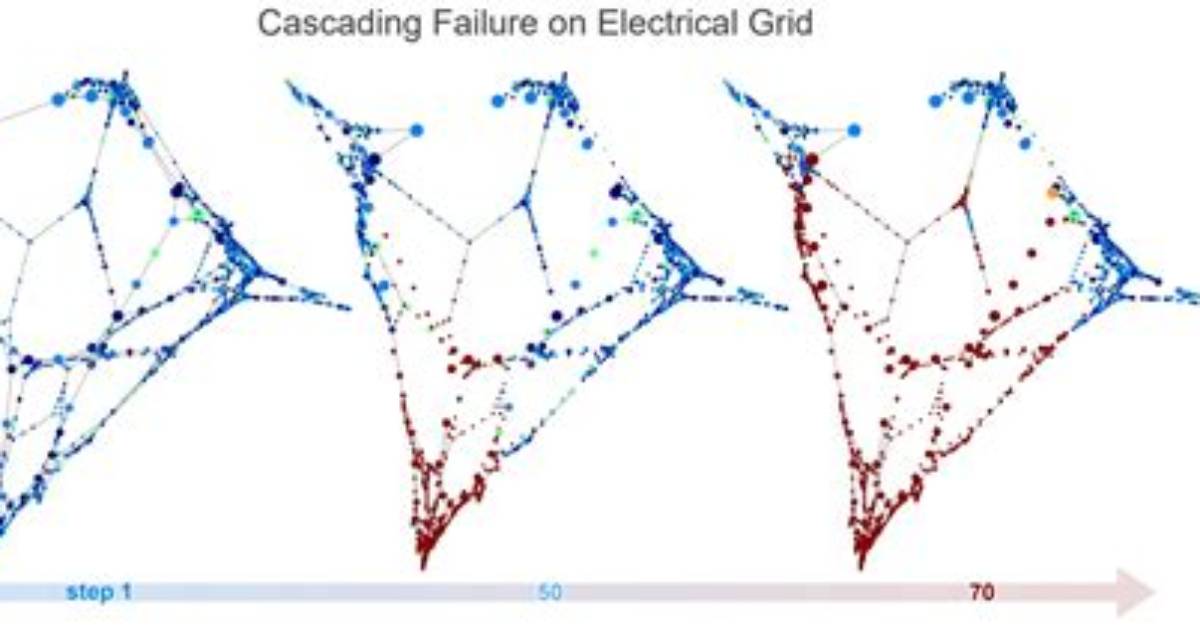
In complex computer systems, there remains a perpetual risk of small errors. Sometimes these errors mind their own business and everything quickly returns to normal. Other times, an error causes another related problem to follow it, which in turn feeds back into the original error or perhaps additional ones in another part of the system. The resulting domino effect of increasing failures due to positive feedback mechanisms is what is called a cascading failure.
Feedback Mechanisms
Stand-alone errors pose much less of a threat to systems than those that contribute to feedback loops. In such a feedback loop, distributed software systems might first experience a relatively small reduction in capacity, a spike in errors, or an increase in latency. As other parts of the system try to respond to and correct the original problem, they end up making it worse.
For example, one server in a set of servers working together could experience an excess load which causes it to fail. Regularly, it would offload a small excess onto a neighboring server that acts as a backup while still maintaining its own load. But this second server cannot handle two entire loads after the complete failure of the first server, so it fails as well.
The excess loads continue passing down the line of neighboring servers, snowballing into larger and larger excess loads until the entire system crumbles. This type of cascading failure is a mix of overload and proximity-based failover feedback triggers, as mentioned below.
Must Read
Feedback Triggers of Cascading Failures
Several triggers can account for the typical cascading failure, both individually and in conjunction with one another, including:
|
|
If your system has never experienced a cascading failure, do not let yourself be lulled into a false sense of security. At any time, your system may try to operate outside its limits, leading to an unexpected problem.
Some of these triggers are avoidable through proper structuring and management of a system. Others are essentially unavoidable, but can be prepared for and mitigated by studying how they work before they create significant problems.
For instance, spikes in load are an expected part of system operation, and they are the most common feedback trigger for cascading failures. You can’t reasonably stop them, but you can manage how your system reacts to them. While the task scheduling system and load balancer manage typical loads in a certain way that usually works, they should also be prepared for abnormal loads. When the load increases beyond the average, they may need to implement new tactics to prevent a cascading failure.
Sarah Jenkins is a veteran tech journalist with over 12 years of experience covering artificial intelligence, mobile innovations, and digital ethics. Her insights have appeared in leading technology publications worldwide.
