
What Is a Creatine Cycle?

Creatine Is One of the Most Well-Researched Supplements on the Sports Nutrition Market. It Is Therefore Very Popular Among Bodybuilders and Has Proven Benefits...
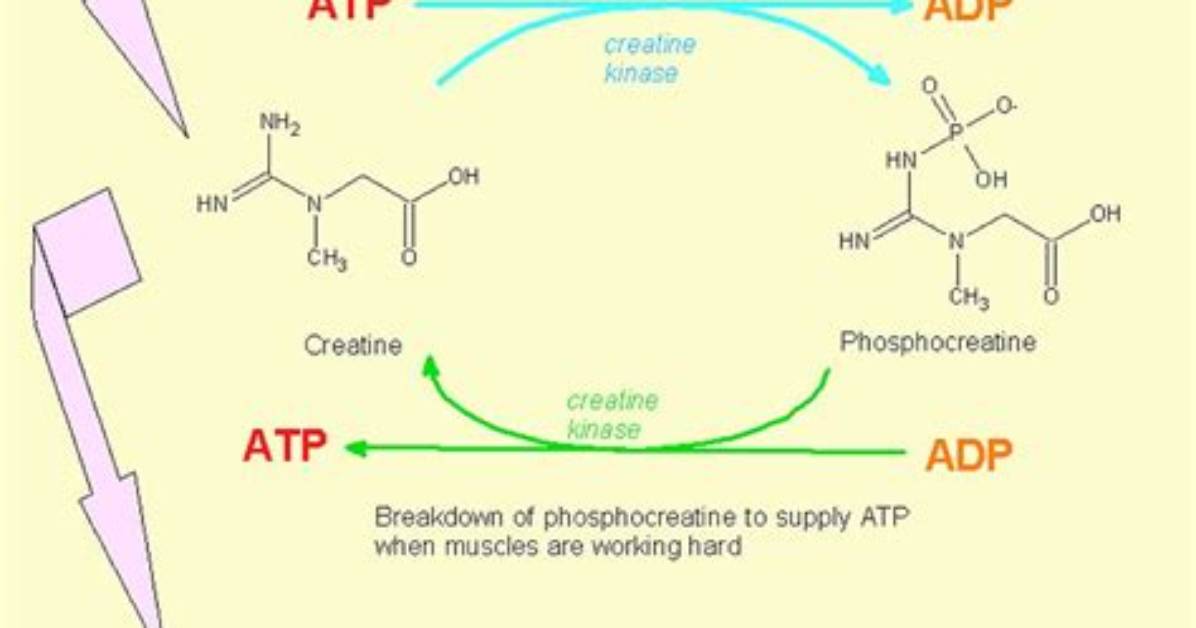
Creatine is one of the most well-researched supplements on the sports nutrition market. It is therefore very popular among bodybuilders and has proven benefits to support endurance and recovery. However, one important thing when supplementing with creatine is the creatine cycle, although this is something that is often ignored by those taking it. Understanding the creatine cycle is vitally important to maximize the benefit of supplementing with creatine.
Understanding Creatine
What does creatine do?
Creatine is used in the body to make energy for muscles. 95% of the body's creatine stores are found in skeletal muscle1.
Creatine speeds up the natural process of how our bodies produce Adenosine Triphosphate (ATP). ATP is used up and quickly depletes during high-intensity exercise.
By supplementing creatine, you can increase the ability to store more, meaning that more ATP can be produced during exercise.
Your muscle tissue stores creatine as phosphocreatine. Phosphocreatine synthesizes during high-intensity exercises, such as lifting weights, to provide your muscles with extra energy.
Creatine pulls water into your muscle cells, increasing protein synthesis. It is not a provider of extra energy in the same way as boosters like caffeine and glucose, but increases your reserves, thus allowing you to work harder for longer – therein lies the gains.
Creatine works as a backup source of energy and helps improve strength and muscle mass over time.
What are the benefits of taking creatine?
Creatine has been shown to improve exercise performance, disorders of creatine metabolism or transport, muscle strength and mass, and age-related muscle loss (sarcopenia)1. The primary reason athletes take creatine is to build muscle.
Creatine can have many positive health effects and has been shown to improve neurological and cognitive function. In older adults, creatine has been linked to fatigue resistance and increased strength, muscle mass, bone mineral density, and performance of activities of daily living1.
Finally, creatine has even been shown in several studies to have a positive effect on mood. According to the Journal of the International Society of Sports Nutrition, creatine has been shown to improve mood and alleviate symptoms of depression in adolescent females2. Additionally, another study demonstrated that creatine boosted mood in patients with Parkinson's Disease3. Creatine was also shown to reduce mental fatigue in healthy individuals and improve mood and reduce fatigue in sleep-deprived individuals in a clinical trial published in the Journal of Psychopharmacology4.
What does creatine do for the body?
Creatine is proven to work and anything that is proven to help increase muscle mass and energy is going to be a very popular supplement. When someone first takes creatine alongside regular training and good nutrition they will notice an increase in weight and strength. Signs of improvement are awesome, but they can also lead to abuse when using creatine.
How Much Creatine Should You Be Taking?
Before we can understand the importance of the creatine cycle, it is firstly important to understand how much creatine you should be consuming. The recommended daily amount of creatine ranges from between 5 g to 20 g. This means you should not be exceeding 20 g of creatine, which many people using creatine do on a daily basis.
When Should You Take Creatine?
Creatine can be taken pre and/or post-workout. Taking creatine post-workout can help provide your muscles with energy, which can help you to work out harder, for longer. Doing this will break down more muscle fibers and with sufficient recovery, lead to more growth. So you could take 5 g before your workout and 5 g after to help aid performance, recovery, and growth. It really is up to you when you choose to take it provided you stay within the recommended daily dosage.
Sarah Jenkins is a veteran tech journalist with over 12 years of experience covering artificial intelligence, mobile innovations, and digital ethics. Her insights have appeared in leading technology publications worldwide.
