
What Is a Sigma Male and How to Tell If You Fit the Latest Male Archetype

There Seems to Be a Level of Toxic Internet Culture Hyper-Focused on What It Means to Be a Man and the Hierarchy of Masculine Types. Within This Community...
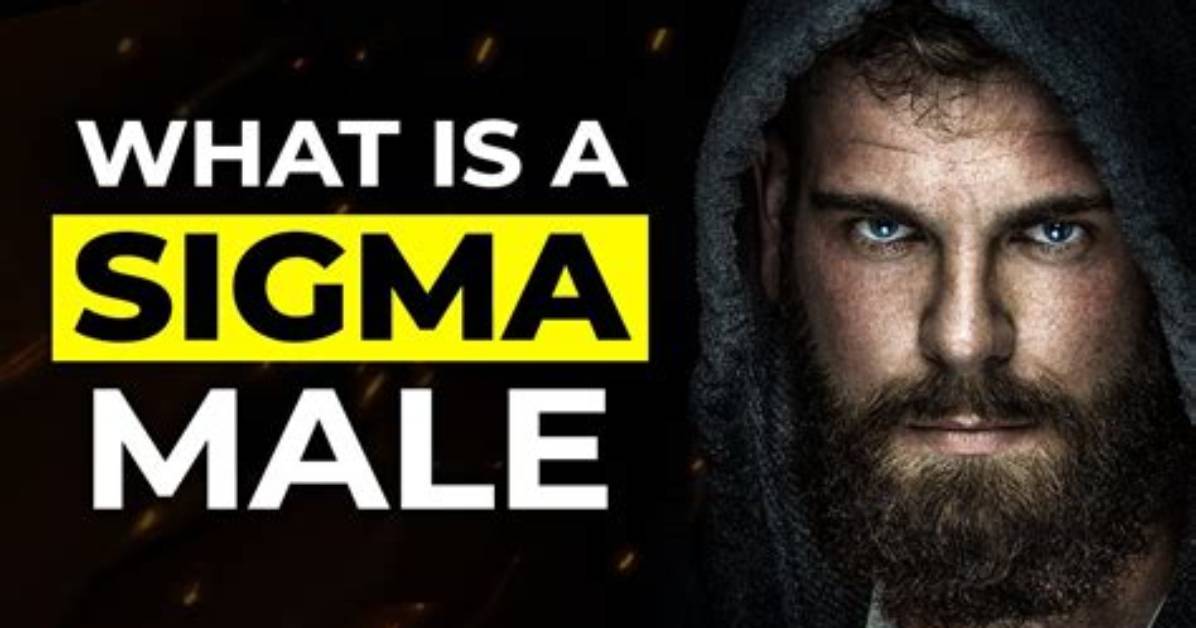
There seems to be a level of toxic internet culture hyper-focused on what it means to be a man and the hierarchy of masculine types. Within this community, there’s a lot of crossover with content on pick-up artistry and general misogyny. But where does all this pseudoscience come from, you ask?
According to Sarah Melancon, Ph.D., a sociologist, certified sexologist, and the sexuality and relationships expert for SexToyCollective.com, you can blame it on animal research from the 1960s through the 1990s, which suggested that male chimps and wolves fall into one of two groups: leader or follower. However, this black and white picture of masculinity has since been debunked, and recent studies have shown that wolves do not actually have an innate sense of rank, and are neither born leaders or followers.
That said, terms like “alpha,” “beta,” and “sigma” are seeing a cultural resurgence in 2021, specifically the sigma making rounds online thanks to a viral tweet earlier this year. But what exactly is a sigma male? How is it different from an alpha male, and how legitimate is all of this lingo in relation to how we interpret male behavior?
If you’re still scratching your head over what it means to be a sigma male (or any other type for that matter), don’t stress. We spoke with a few experts to find out what this archetype entails, how it differs from other well-known types, and why it could be problematic.
What Is a Sigma Male?
If you’re familiar with “the strong and silent type,” that’s pretty much the sigma in a nutshell. Assertive but calm, powerful but humble, the sigma male has been named the rarest archetype. Think Keanu Reeves as John Wick: cool and collected, not outwardly aggressive (but is still fully capable of ripping you a new one). Like the alpha male, the sigma supposedly sits at the top of the masculine hierarchy.
“A sigma male is akin to a lone wolf — he takes risks, and is independent though also introverted and keeps to himself,” says Melancon.
According to clinical psychologist and Date Smart author Dr. Carla Marie Manly, one reason why the sigma male has been deemed a lone wolf is that this type has a deep need for personal independence and autonomy.
This two-hour long YouTube video of “sigma male affirmations” includes a number of phrases that are supposed to center around transforming into this type, such as: “I have a steely gaze and strong presence. I am hard to understand” and “I am comfortable being the brooding figure.” (Although, if you’re watching lengthy YouTube videos about what it means to be a man, we may need to talk.)
Must Read
Why Is the Sigma Male Archetype Becoming so Popular?
“Sigma male” was supposedly coined in 2010 by writer and right-wing activist Theodore Beale, who also blogs under the name Vox Day. In 2014, author John Alexander used this term in the title of his relationship advice book The Sigma Male: What Women Really Want, but it wasn’t until 2021 when the sigma male really made waves on Twitter when someone posted several images using the term and asked “what the f*ck is going on with men?”
Her post garnered almost 240K likes and more than 25K retweets, likely because a lot of people have been wondering the same thing. Experts say it makes sense that these archetypes have been making a comeback as society starts to grapple with new definitions of masculinity (and thus, some traditionalists cling even harder to their antiquated norms).
“As a society, we are shifting toward embracing a wider variety of perspectives in many realms, including the idea of masculinity,” says Manly. “This positive shift brings marginalized and over-amplified segments of masculinity into greater focus and balance. The movement away from dualistic thinking — placing men into two categories of either ‘weak’ or ‘strong’ — can help us move beyond stereotypes.”
James Sterling reports on renewable energy developments, climate policy, ecological conservation, and green tech innovations around the globe.
