
What Is Code Refactoring? How Refactoring Resolves Technical Debt

We’ve All Been There Before: It’s Time to Add One Last Function into Your Program for the Next Release, but You Don’t Have the Time to Make It Just Right –...
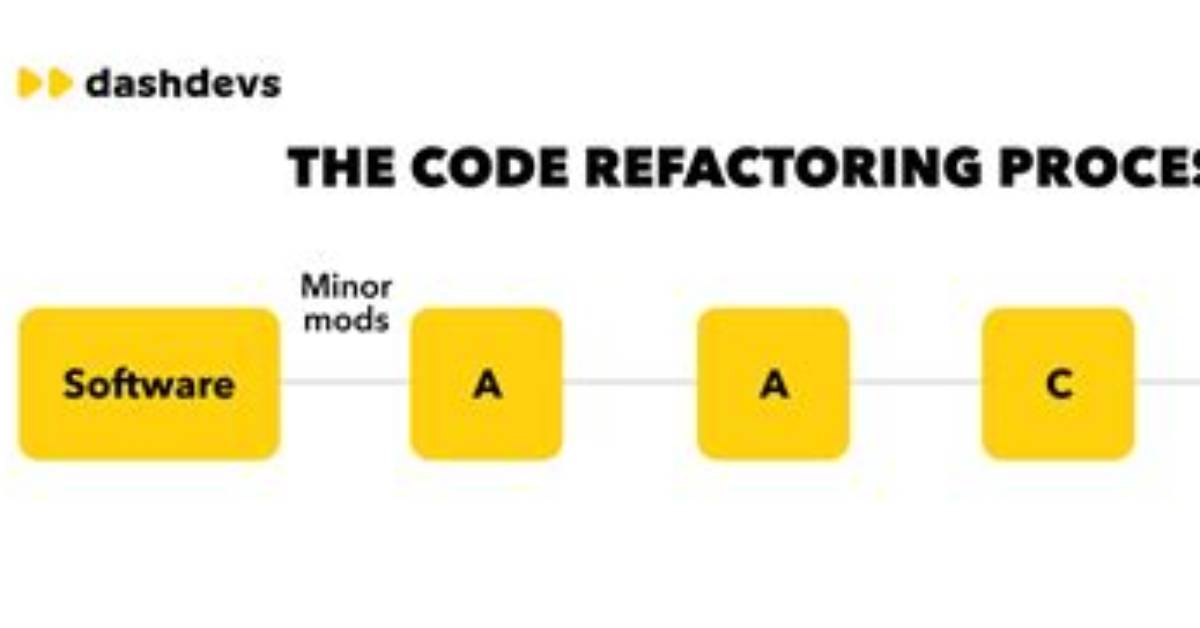
We’ve all been there before: it’s time to add one last function into your program for the next release, but you don’t have the time to make it just right – organized, well-structured, and aligned with the rest of the code.
Instead, you have to add the functionality in a bit of a haphazard way, just to get it done, so you do. Luckily, the release goes well, the function is added smoothly, and it’s onto the next sprint of work.
But what happens to that code that isn’t the cleanest, clearest, or best it can be? We’ve talked in previous articles about technical debt – the idea that certain work gets delayed during software development in order to deliver on time. Such a short-term solution works for now but isn’t the best for the software in the long run. This work then turns into “debt” because it will eventually need to be dealt with.
Defining code refactoring
Code refactoring is defined as the process of restructuring computer code without changing or adding to its external behavior and functionality.
There are many ways to go about refactoring, but it most often comprises applying a series of standardized, basic actions, sometimes known as micro-refactorings. The changes in existing source code preserve the software’s behavior and functionality because the changes are so tiny that they are unlikely to create or introduce any new errors.
Must Read
The importance of code refactoring
At first, its purpose may seem a little superfluous – sure, code refactoring is improving the nonfunctional attributes of the software, which is nice, but what’s the point if it isn’t helping the overall functionality?
Experts say that the goal of code refactoring is to turn dirty code into clean code, which reduces a project’s overall technical debt.
Dirty code is an informal term that refers to any code that is hard to maintain and update, and even more difficult to understand and translate. Dirty code is typically the result of deadlines that occur during development – the need to add or update functionality as required, even if its backend appearance isn’t all that it could or should be. You can often find dirty code by its code smell, as it were.
This is the idea behind technical debt: if code is as clean as possible, it is much easier to change and improve in later iterations – so that your future self and other future programmers who work with the code can appreciate its organization. When dirty code isn’t cleaned up, it can snowball, slowing down future improvements because developers will have to spend extra time understanding and tracking the code before they can change it.
Some types of dirty code include:
- Codes, methods, or classes that are so enlarged that they are too unwieldy to manipulate easily
- The incomplete or incorrect application of object-oriented programming principles
- Superfluous coupling
- Areas in code that require repeated code changes in multiple areas in order for the desired changes to work appropriately
- Any code that is unnecessary and removing it won’t be detrimental to the overall functionality
Clean code, on the other hand, is much easier to read, understand, and maintain, thereby easing future software development and increasing the likelihood of a quality product in shorter time.
Chloe Bennett explores the intersection of pop culture, streaming entertainment, digital trends, and contemporary lifestyle. Her weekly commentary reaches thousands of culture enthusiasts.
