
What Is Pair Programming?

Agile Software Development Is the Organization of People to Work Independently, Make Their Own Decisions, and Contribute to the Greater Whole. of Course, the...
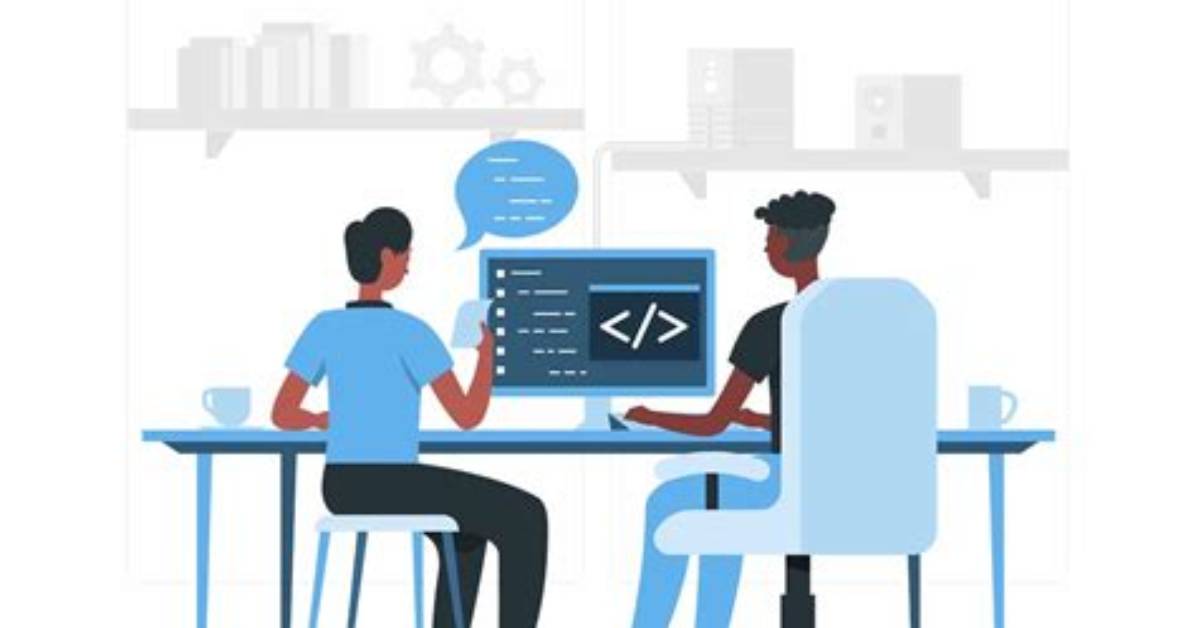
Agile software development is the organization of people to work independently, make their own decisions, and contribute to the greater whole. Of course, the overarching purpose of agile development is to allow teams to adapt quicker to the demands of the market.
Pair programming has emerged as a useful tool in the agile software development toolbox.
Drawbacks of working alone
Traditionally, programmers work alone, building a feature or function or a single app. But that’s not always ideal. Working by oneself can be monotonous but the reverse—working with a large group of people—limits your individual autonomy. In groups larger than 4, one person’s intelligence tends to dominate.
So, working in a pair, for many programmers, is just right.
Must Read
Pair programming: two heads are better
Pair programming is intentionally putting together two developers to accomplish a task. Both the business managers and the devs themselves appreciate this two-person approach, but often for different reasons.
For the business managers with their eyes on KPIs, they like to think that pair programming increases productivity. Pair programming:
- Reduces mistakes
- Gets more done, faster
- Allows the company to act when problems arise
- Boosts programmers’ morale
For the programmers, pair programming:
- Lets you talk with a partner
- Allows you to share your struggles and accomplishments when solving a problem
- Promotes continuous cross-training
- Builds team and coder relationships
- Encourages both learning and teaching, increasing your sphere of value
For the coder, pair programming can feel like you’re sticking it to the man, giving the pair a sense of purpose. Because, while the company leaders believe this work practice increases productivity, which may be true, the coder gets to have more fun.
Alexander Ross has covered the video game industry for a decade, writing deep dives on game design, esports tournaments, VR developments, and gaming culture.
