
What Is Soa? Service-Oriented Architecture Explained

Service Oriented Architecture (Soa) Refers to the Software Architecture Design Paradigm That Allows Software Components to Behave as Separate, Autonomous...
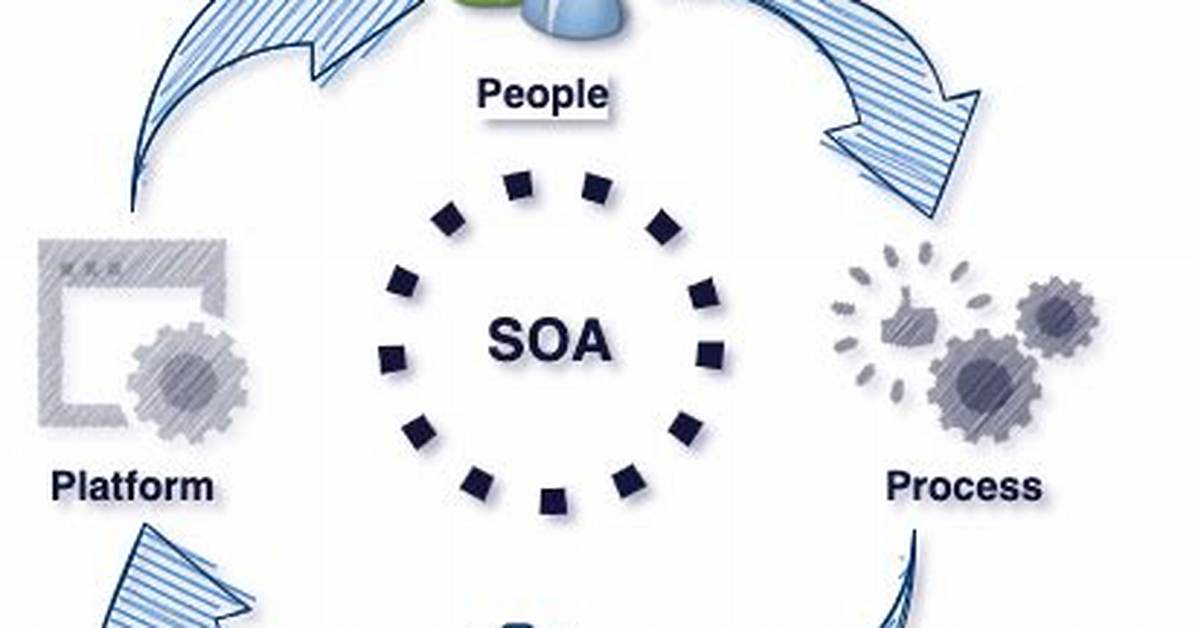
Service oriented architecture (SOA) refers to the software architecture design paradigm that allows software components to behave as separate, autonomous, loosely coupled network-accessible units.
The use of SOA is on the rise. Let’s take a look at how SOA works—and why businesses are adopting it.
How service oriented architecture works
In SOA, software components function as their own loosely coupled units. These units provide services or data using a network protocol, making them independent of vendors or proprietary technology systems.
These services can be independent, repeatable, and self-contained tasks of a global system functionality—consider them the building blocks of a large consumer service where each feature is composed of multiple small services that can be developed, managed, modified and replaced independently of other components (and services).
(Compare SOA to microservice architecture.)
Service Oriented Architecture allows the flexibility to treat every component independent of the global service that requires those components. This approach solves some of the key challenges facing large enterprise IT systems and has driven the growth and popularity of the SOA design paradigm.
Most of the drivers are shared across earlier design philosophies like object-oriented programming and component-based engineering, such as:
- Multiple use
- Non-context-specific
- Composable
- Encapsulated
- Components independent deployment and versioning
Before we discuss why it’s important to adopt an SOA approach for software and systems design, it’s important to understand its characteristics and driving factors. What makes SOA valuable to organizations operating large complex and distributed IT environments?
What is loose coupling?
Let’s start with the term loose coupling.
The term “loose coupling” refers to the client of a service, and its ability to remain independent of the service that it requires. The most important part of this concept is that the client, which in itself can be a service, can communicate with the service even if they are not closely related.
This facilitated communication is achieved through the implementation of a specified interface that is able to perform the necessary actions to allow for the transmission of data.
A common example of this increased ability to communicate without service constraints involves coding languages used by these services. There is an array of different languages from which software platforms are created and not all of these languages can interact fluently, without encountering communication issues. By using an SOA, it is not necessary for the client to understand the language that is being used by the service, but instead, it relies on a structured interface that is able to process the transmission between the service and the client.
Elena Rostova holds a Master's degree in Public Health Journalism. She covers groundbreaking medical research, holistic wellness trends, mental health awareness, and nutritional science.
