
What Is the Agile Programming Methodology?

Curious About the Agile Approach to Software Development? It's a Popular Methodology in Many Modern Work Environments. We'll Cover the Agile Methodology in an...
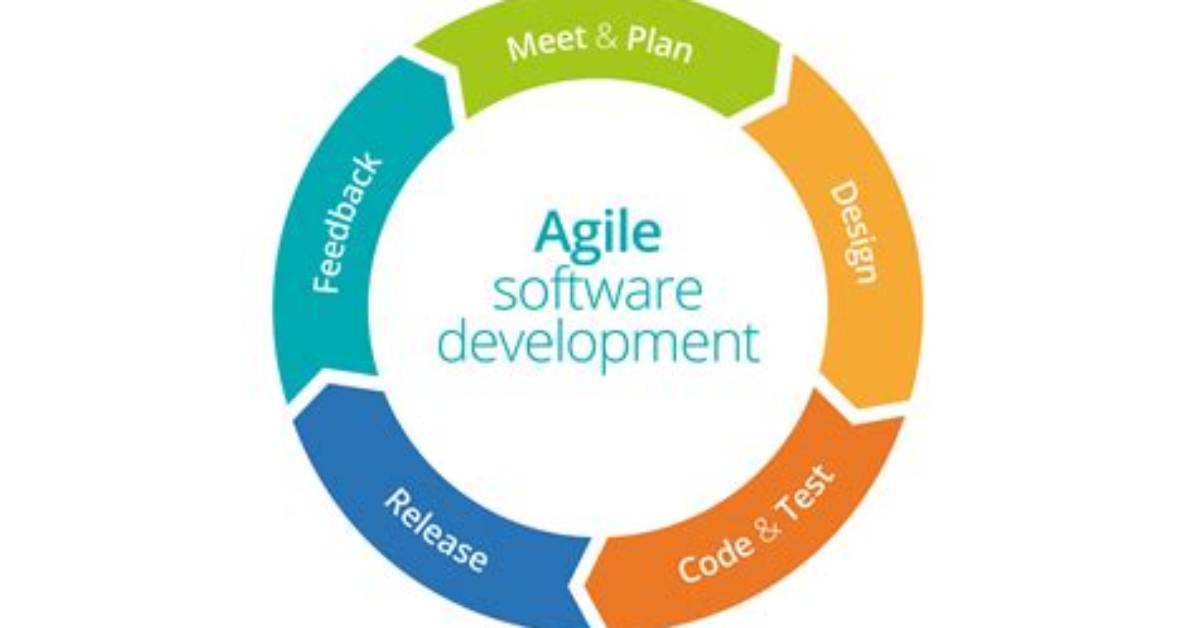
Curious about the Agile approach to software development? It's a popular methodology in many modern work environments. We'll cover the Agile methodology in an easy-to-understand format and explain the advantages and disadvantages.
What Is Agile Programming?
"Agile" is the name for an approach to project management that's designed to be more flexible and more communication-based than traditional approaches.
It involves working on individual "iterations" in which the development team focuses on a few small, attainable goals. Regular meetings happen with users and other stakeholders to get feedback and reflect so that new goals can be developed and refined.
The Agile method adheres to the 12 principles listed in the Agile Manifesto. Agile development teams are typically small, each with its own iterative, focused on producing a working product that may be contribute to a larger project.
So what does Agile mean for a programmer? It typically means coding with very specific goals in mind, rather than one monumental goal for your software. It also means you'll spend a lot of time listening to "product owners" and basing decisions on what they say rather than what you might want to do.
As a programmer, you might already be familiar with Jira, and how it integrates the Agile method into bug tracking. You can apply the framework to many work processes, however, and it's up to you to judge if Agile is right for you.
Pros of the Agile Framework
Less Planning: The Agile process doesn't require much planning on the front-end because the team expects requirements to change and reacts as those changes happen. This will save you time in the long run.
Flexible Goals: Since an ultimate goal is not known from the outset, your project could potentially go in any direction. You're likely to enter new territory as a programmer, sharpening and diversifying your skills.
Faster Results: Because you're not trying to tackle a large number of tasks at all times, you're free to focus in on the current iterative, which means you'll deliver a quality product faster.
Team Interaction: Agile promotes frequent communication and interaction between all members of your team, so you're never on your own in the Agile process. In a field often full of "lone wolves," the Agile approach to programming is a little more social.
Giving Customers a Voice: Since feedback from customers is built into the Agile approach, you can be sure your work is actually having an impact on the user, and you'll hear about that from them.
James Sterling reports on renewable energy developments, climate policy, ecological conservation, and green tech innovations around the globe.
