
What Is Vitamin F? and Vitamin F Skincare Benefits

With a New Acid, Antioxidant, or Peptide Being Called the Next "It" Ingredient Every Other Week, Hands up If You Think Sephora Should Start Supplying Skincare...
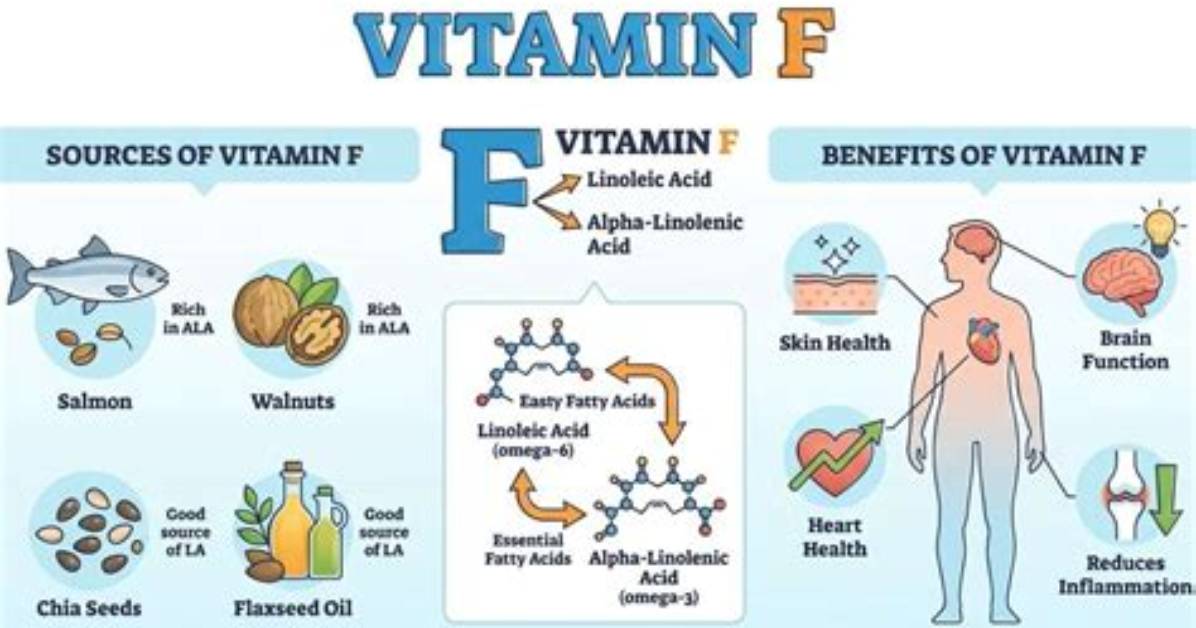
With a new acid, antioxidant, or peptide being called the next "it" ingredient every other week, hands up if you think Sephora should start supplying skincare ingredient dictionaries to use when you shop. Because let's face it: It can be overwhelming and confusing when trying to figure out what products are best for your skin type and its concerns — or when to use each one in your routine.
Luckily, we've got your back when it comes to explaining vitamin F, an ingredient that has gained a lot of buzz lately. Along with it appearing in the formulas of your favorite skincare brands' moisturizers, serums, and face oils, vitamin F keeps popping up on skincare Instagram feeds, and for good reason.
To find out everything there is to know about this skincare savior, we teamed up with board-certified dermatologist and founder of Sperling Dermatology Dr. Shari Sperling, an expert on the subject matter. From its skincare benefits to the best ways to incorporate it into your skincare regimen, keep reading for our comprehensive guide to vitamin F.
What Is Vitamin F?
The truth is vitamin F isn't actually a vitamin, but rather a combination of two essential fatty acids: linoleic acid and alpha-linolenic acid. These acids are converted to other fats that are essential to your body's health by reducing inflammation, controlling sugar, and helping to maintain overall mental health. "You can't make vitamin F on your own, but your body needs vitamin F so it's termed essential," Dr. Sperling explains. "It's found in foods like plant oils (olive, corn, soybean, flaxseed), nuts, and seeds (chia, sunflower), almonds, and egg yolk."
VIDEO: Double Cleansing Is the Foolproof Way to Really Get All of Your Makeup Off
Must Read
What Does Vitamin F Do for Your Skin?
"Vitamin F has a ton of great skin and health benefits," says Dr. Sperling. "It helps maintain the skin barrier, thus effective for skin conditions like atopic dermatitis [the most common type of eczema] and psoriasis. It aids in moisturizing skin, helps with acne, and keeps in moisture."
When used topically, vitamin F has anti-inflammatory and moisturizing benefits, making it a gentle, yet effective ingredient for skin issues such as eczema and psoriasis. Another reason the ingredient is surging in popularity: Vitamin F works well with other topical active ingredients and is safe for all skin types. Given that vitamin F soothes skin and strengthens the moisture barrier to lock hydration in, the ingredient is most commonly found in moisturizers and face oils.
Elena Rostova holds a Master's degree in Public Health Journalism. She covers groundbreaking medical research, holistic wellness trends, mental health awareness, and nutritional science.
